

Why Are Japanese Pokémon Cards Cheaper? Real Prices and What It Costs to Buy Them
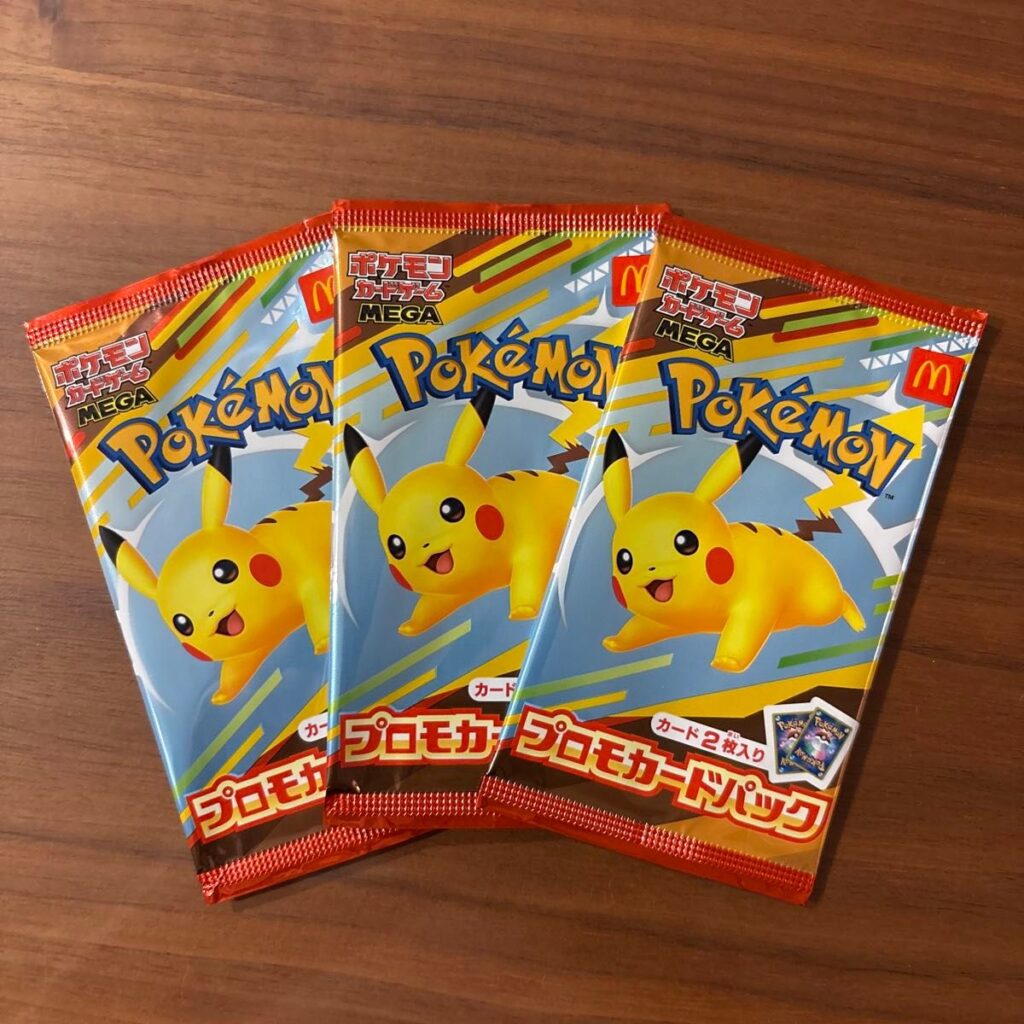
If you’ve priced an English booster box lately, the Japanese version looks almost too good to be true. Same artwork, same Pokémon, a fraction of the sticker price.
There’s no catch with the cards themselves. Japanese cards cost less because of demand, supply, and pack size — not quality. First-time buyers almost always assume something must be wrong with them.
“I thought the cards might be fake” — u/JoeyB166, r/PokemonTCG
They weren’t. The real complication is that the discount can disappear before the cards reach your door. Here’s where it holds up, where it collapses, and what it takes to get Japanese retail pricing from outside Japan.
Why Japanese Pokémon Cards Are Cheaper Than English Cards
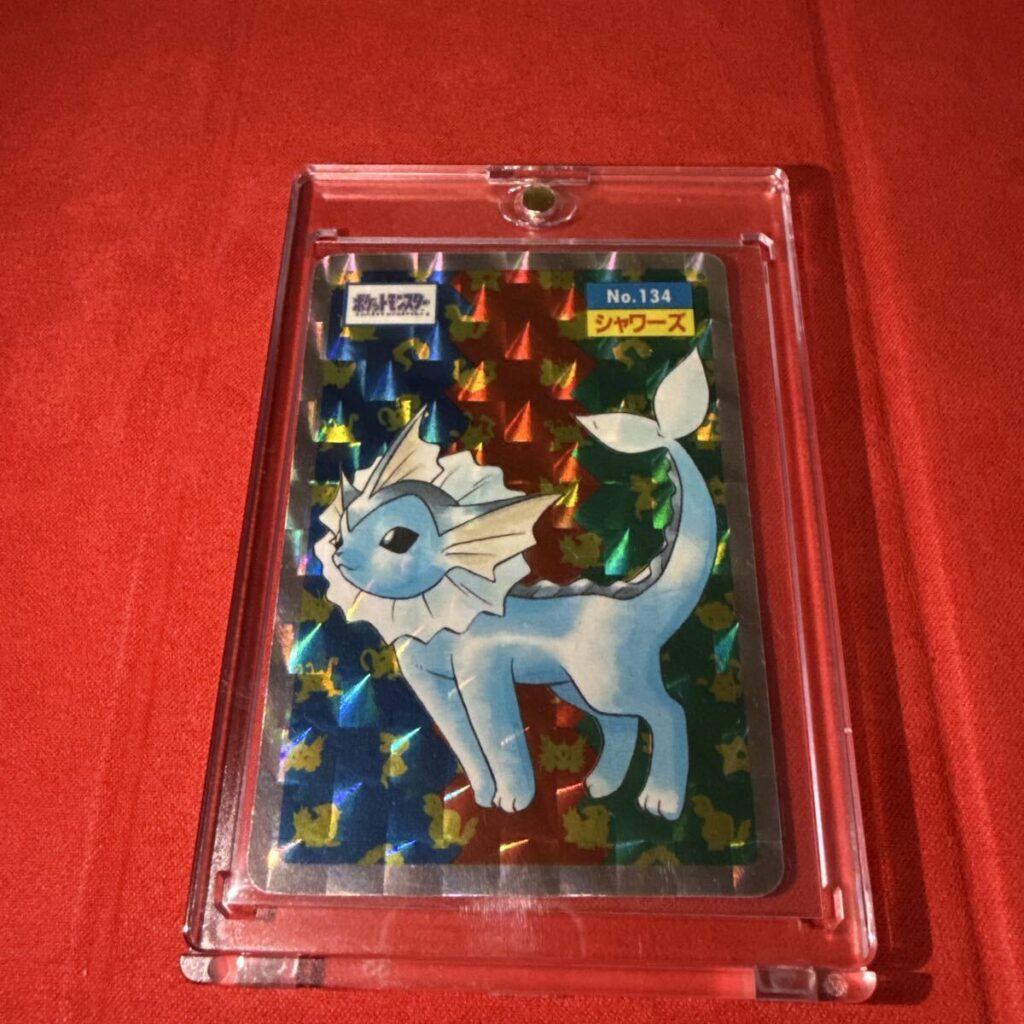
The price gap comes from four separate factors, and they compound:
- Global demand for English cards is far larger
- Japan releases more sets and restocks faster
- Japanese packs hold five cards instead of ten
- Japanese cards stay inside a domestic supply chain
None of them has anything to do with the cardboard. Which one matters most depends on what you’re buying.
Demand: English Is the Default for Western Collectors
The biggest reason Japanese cards cost less is that far more people are chasing the English version. English print runs serve the US, UK, Europe, and Australia at once, so any given card has a much deeper pool of buyers behind it.
Competitive play concentrates that demand further. Play! Pokémon sets which card languages are legal at Championship Series events by region, and in the North America zone the only legal language is English, with French added for Canada (Play! Pokémon TCG Tournament Handbook). Local league play is left to the organizer’s discretion, but if you want to compete at the Championship Series level in the US, you buy English.
Nostalgia does the rest. Most Western collectors opened their first packs in English, and that pull keeps a floor under English prices. Japanese cards are the default in Japan and a niche everywhere else, so the same card resells for less.
Supply: Japan Prints More Sets and Restocks Faster
Demand alone doesn’t explain the gap. Japan releases new sets fast enough that nothing stays scarce for long. Between August 2025 and July 2026, the official product catalog lists eight expansion pack releases (The Pokémon Company).
Short release cycles split collector attention. When chase cards land across eight sets instead of three, no single set carries much of a scarcity premium.
Buying in Japan isn’t effortless, either. The official store sells the newest boxes through lotteries, one per customer (Pokémon Center Online). Even so, Japan’s retail network is far denser than anything English-language buyers deal with abroad.
Pack Size: Japanese Packs Hold Five Cards, Not Ten
Part of the discount is simply a smaller package. A Japanese expansion pack contains five cards and carries a suggested retail price of ¥200 — up from ¥180, effective with sets released from May 2026 on (The Pokémon Company).
An English booster pack holds 10 cards plus a basic Energy, and sells for $4.49 at Pokémon Center.
Put those two numbers side by side and the gap looks far bigger than it is. The only fair unit is cost per card.
The only comparison that matters: A Japanese pack holds five cards. An English pack holds 10. Compare cost per card, never cost per pack.
Distribution: Japanese Cards Never Leave the Domestic Chain
Japanese cards are built for one market. No translation, no localization, no international logistics — the product is printed in Japan, moved through Japanese distributors, and sold to Japanese buyers.
Every one of those steps costs money on the English side, and all of it is baked into the shelf price.
That distinction is worth holding onto. The low price belongs to the Japanese shelf, not to you. The moment a box leaves the country, a different set of costs takes over.
How Much Cheaper Are Japanese Pokémon Cards?
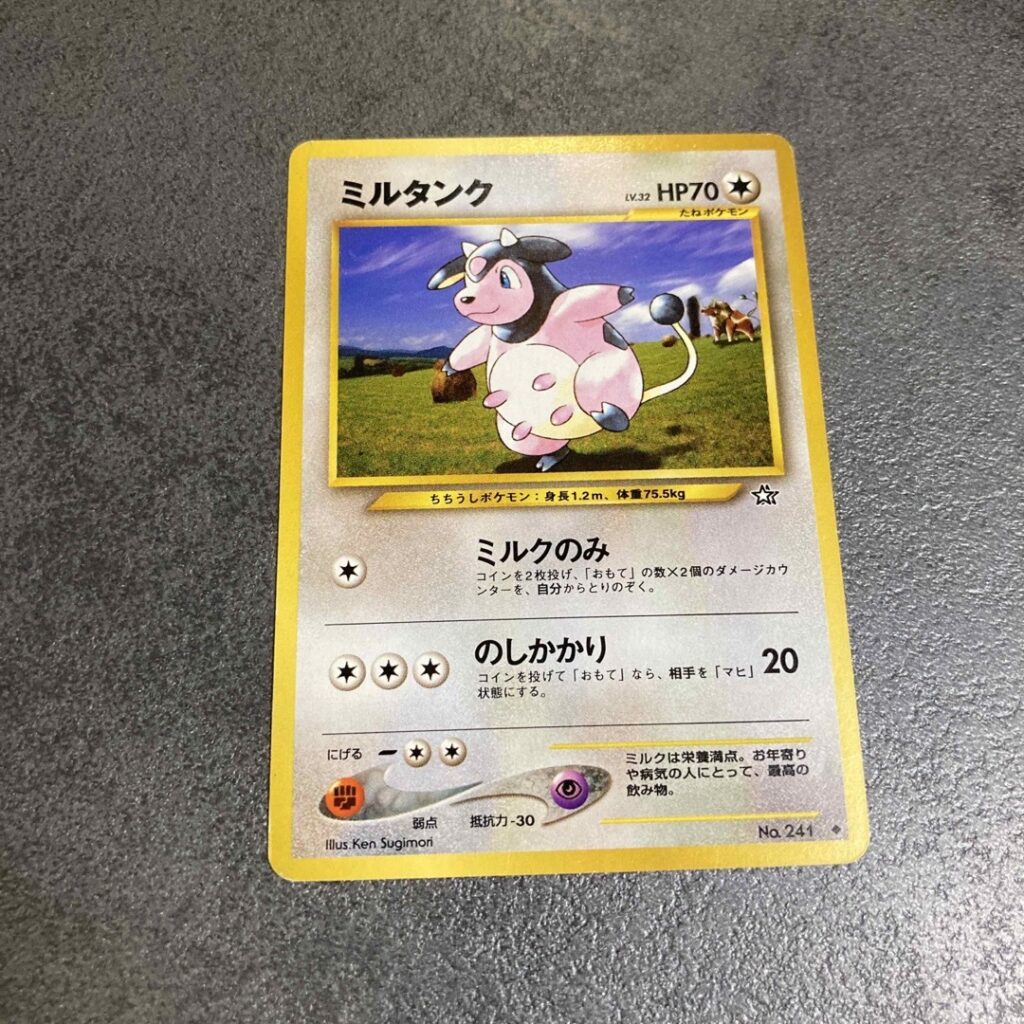
Two figures decide what you pay:
- what the official stores charge
- what the market charges once official stock sells out
They can point in different directions, so check both before you commit.
Pack and Box Prices at Official Retail
At official retail, a Japanese card costs roughly half what an English card costs.
| Japan (official retail) | US (official retail) | |
| Booster pack | ¥200 / 5 cards (about $1.22) | $4.49 / 10 cards |
| Booster box | ¥6,000 / 30 packs = 150 cards (about $36.60) | $161.64 / 36 packs = 360 cards |
| Cost per card | about $0.24 | about $0.45 |
The Japanese figures come from Pokémon Center Online, which lists the current expansion box at ¥6,000 with 30 packs of five cards. The US figures come from Pokémon Center, with the box figure calculated as 36 packs at the $4.49 pack price. At roughly ¥164 to the dollar as of July 2026, that puts Japanese cards about 46% cheaper per card.
Why Market Prices Differ from Official Prices
Those are list prices, and list prices are hard to actually get. Compare street price to street price.
On the Japanese side, popular boxes are sold through lotteries capped at one per customer. On the US side, Pokémon Center shows booster packs and booster boxes sold out across the board.
Secondary listings fill the gap in both markets, and they don’t move in step. As of July 2026, boxes have been changing hands on Japanese marketplaces at close to double their official list price. Check the number on the page you’re buying from, not the number in the announcement.
When Japanese Pokémon Cards Stop Being Cheaper
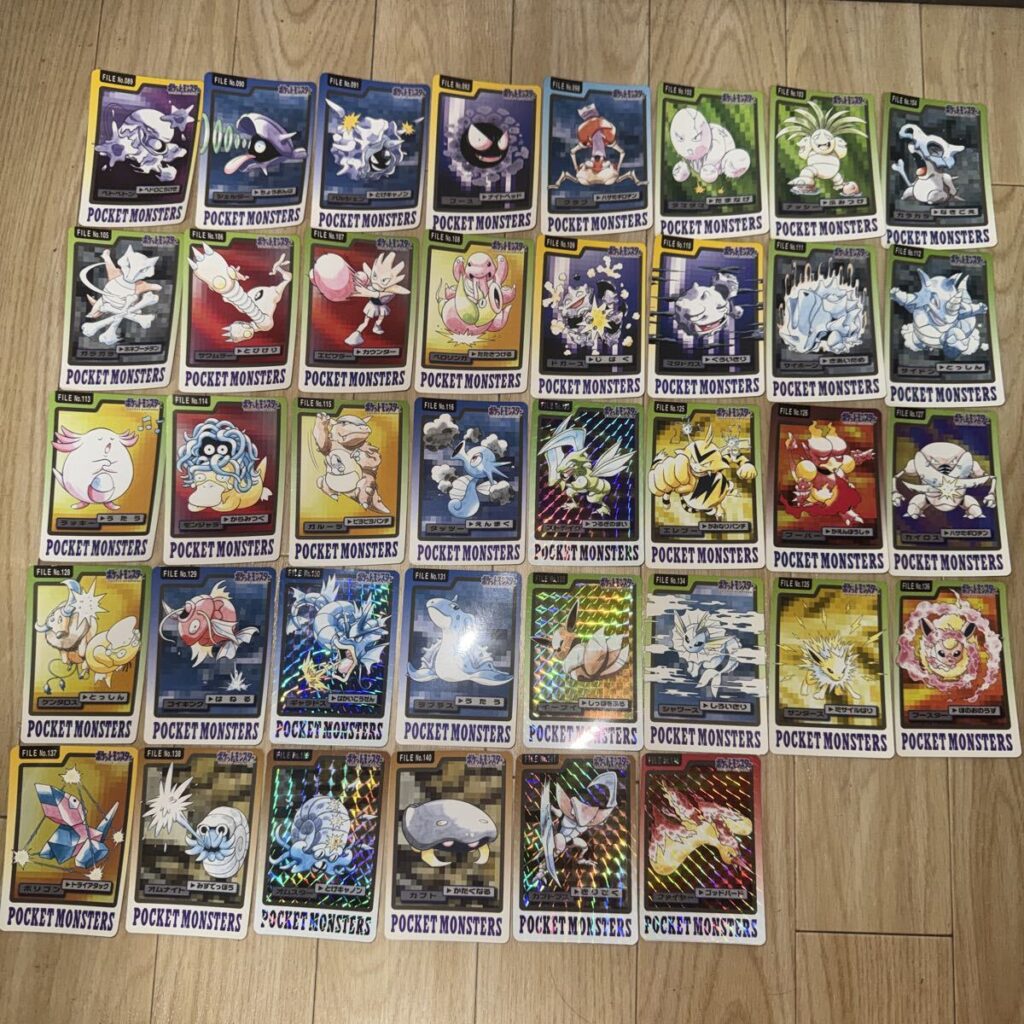
The discount is real, but conditional. Three situations erase it:
- import costs on a small order
- Japan-exclusive promos and chase cards
- brand-new sets with no English version yet
None of them is hard to see coming.
Shipping, Proxy Fees, and US Import Duty
Order one box and the savings vanish. Order four and they survive.
Shipping from Japan is priced by weight, not by value. Japan Post charges ¥3,900 for parcels up to 500g to the US and ¥7,900 up to 2kg (Japan Post). A single box weighs about 300g (Pokémon Center Online), so the second, third, and fourth boxes ride along almost free.
Duty applies either way. The $800 de minimis exemption that used to let low-value parcels in free is gone: CBP suspended it indefinitely for mail and every other channel, effective July 24, 2026, so a small declared value no longer keeps a package out of customs (Federal Register). Goods from Japan now land at a combined 12.5%. Under the Section 301 action that took effect the same day, the base rate and the additional duty add up to 12.5% for any Japanese product whose base rate falls below that — which covers trading cards (KPMG). Duty is calculated on the value of the cards, not on what you pay to ship them.
| Cost item | Buying 1 box | Buying 4 boxes |
| Box price | ¥6,000 | ¥24,000 |
| Proxy service fee | ¥350 | ¥350 |
| Packaging | ¥500 | ¥500 |
| EMS to the US | ¥3,900 | ¥7,900 |
| US duty (12.5%) | ¥750 | ¥3,000 |
| Total | ¥11,500 (about $70) | ¥35,750 (about $218) |
| Cards received | 150 | 600 |
| Cost per card | about $0.47 | about $0.36 |
| Vs. US retail ($0.45/card) | about 4% more | about 19% less |
Figures assume July 2026 prices, an exchange rate of ¥164 to the dollar, and a listing with free shipping inside Japan. Carriers and customs brokers add their own handling charges on top of duty, so price your own parcel before you commit.
Shipping is the one cost you can control before you spend a dollar.
Estimate your shipping cost with Neokyo
Japan-Exclusive Promos and Chase Cards
When no English equivalent exists, the Japanese card is the expensive one.
- Japan-only promo cards, which have no English counterpart to anchor the price
- Trophy cards awarded at tournaments, along with low-distribution commemorative cards
- High-rarity alternate art that debuts in Japan ahead of any English printing
Collectors shopping in Tokyo run into this with fan-favorite character cards in particular:
“any waifu cards like Misty or Cynthia were 2x or 3x what they are overseas” — u/PPGN_DM_Exia, r/PokemonTCG
The “Japanese is cheaper” rule holds inside regular sets, where the same card exists in both languages. Hunt something that never left Japan and expect to pay a premium for it.
Brand-New Sets Before the English Release
Japanese sets land first. The Mega Evolution wave arrived in Japan on August 1, 2025 (The Pokémon Company) and in English on September 26, 2025 (The Pokémon Company International).
For those eight weeks, everyone who wants the new cards has one option. Prices on fresh Japanese product run hot during that window, then settle once the English version ships.
Japanese vs. English, Korean, and Chinese Pokémon Cards
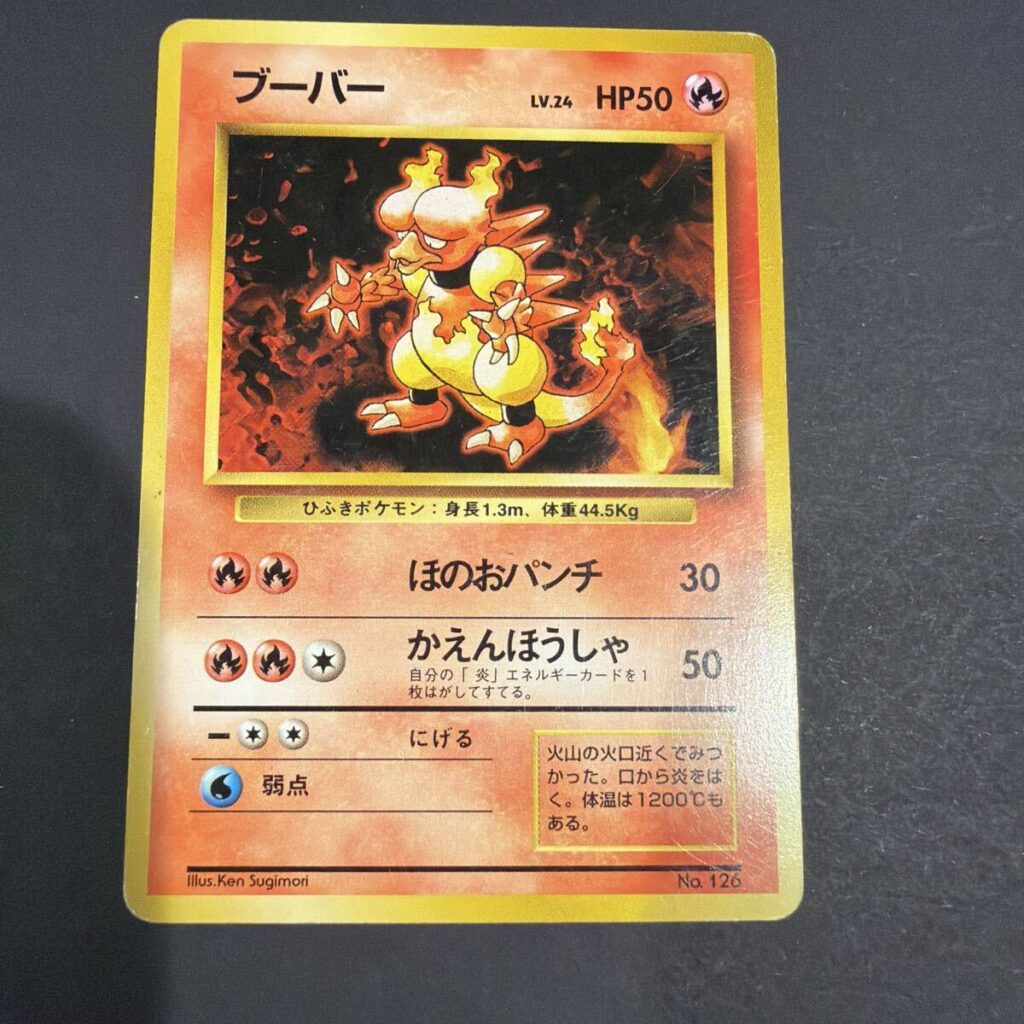
Price is one input. Where you can play a card, and who will buy it from you later, carry equal weight.
| Version | Price level | US tournament use | Release timing | Resale reach in the US |
| English | Highest | Legal | Later | Widest |
| Japanese | Roughly half of English, per card | Not legal | First | Narrower, but real |
| Korean | Often below Japanese | Not legal | Follows Japan | Thin |
| Chinese | Often below Japanese | Not legal | Follows Japan | Thin |
The tournament column knocks out three of the four rows at once. Korean and Chinese printings can undercut Japanese ones, but they circulate in far smaller numbers outside their home markets, so finding a buyer takes longer.
Japanese cards also have a reputation for sharper printing and better centering, which is part of why collectors reach for them despite the language barrier. Plenty of buyers end up doing both:
“better print quality, texture, less likely to be damaged out of the pack, better box odds for rarities” — u/snookers, r/PokemonTCG
That collector buys Japanese for his collection and English singles for his decks. For most US readers it comes down to the same split: English if you play, Japanese if you collect.
Are Japanese Pokémon Cards Worth Buying and Easy to Sell?
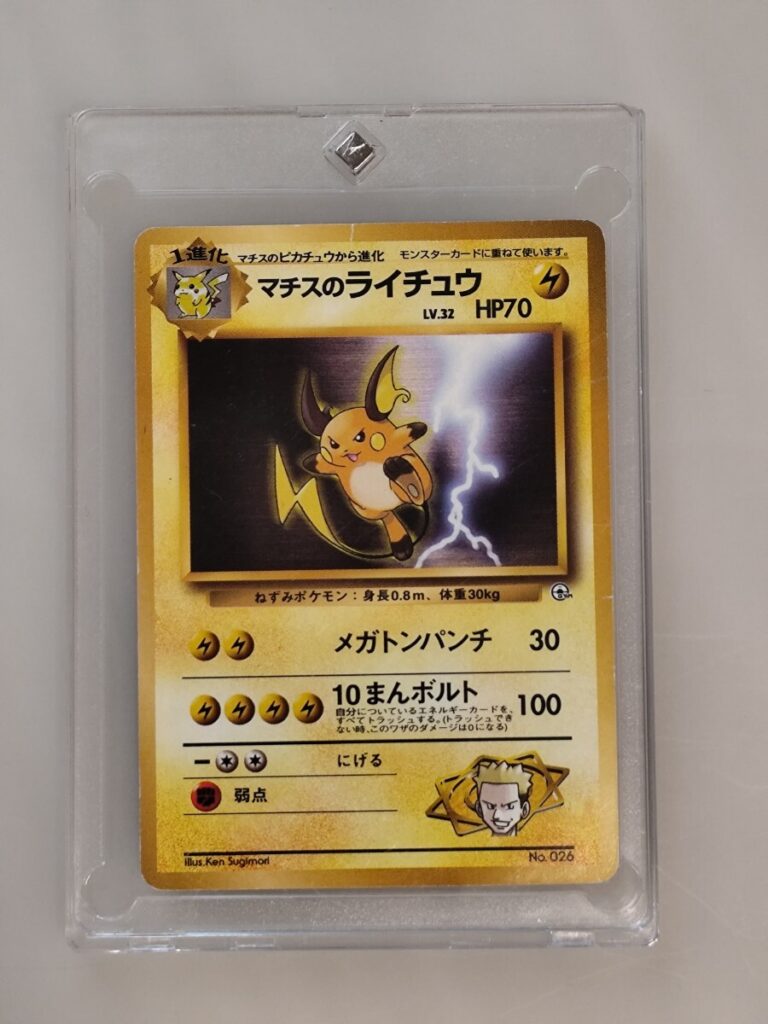
Buying is the straightforward half. Selling is where the language on the card starts to cost you:
- how wide the US buyer pool is
- which Japanese cards tend to hold their value
Both are worth thinking through before you spend, not after.
Resale Demand in the US Is Narrower
Japanese cards do sell in the US. They sell more slowly.
The tournament rule cuts both ways. It pushes English prices up, and it takes competitive players out of your buyer pool when you go to sell. That leaves collectors — a smaller audience than the collectors-plus-players market behind English cards.
Grading works against you here too. Japanese cards are easier to grade well, so a high grade on a Japanese card is less scarce, and the premium stays below what the same grade earns in English. If you might need to sell in a hurry, English moves faster.
Which Japanese Cards Tend to Hold Value
The dividing line is whether an English version of the card exists.
Cards from regular sets get priced against their English twins, so a Japanese copy rarely climbs far on its own. Japan-exclusive cards have no such anchor, and their limited supply gives them more room to hold value over time.
Sealed boxes tend to appreciate once reprints stop, though Japan reprints often enough that the timing is hard to call.
Treat appreciation as a bonus, not a plan. The dependable benefit arrives on day one: more cards for the same budget.
How to Buy Japanese Pokémon Cards at Japanese Prices
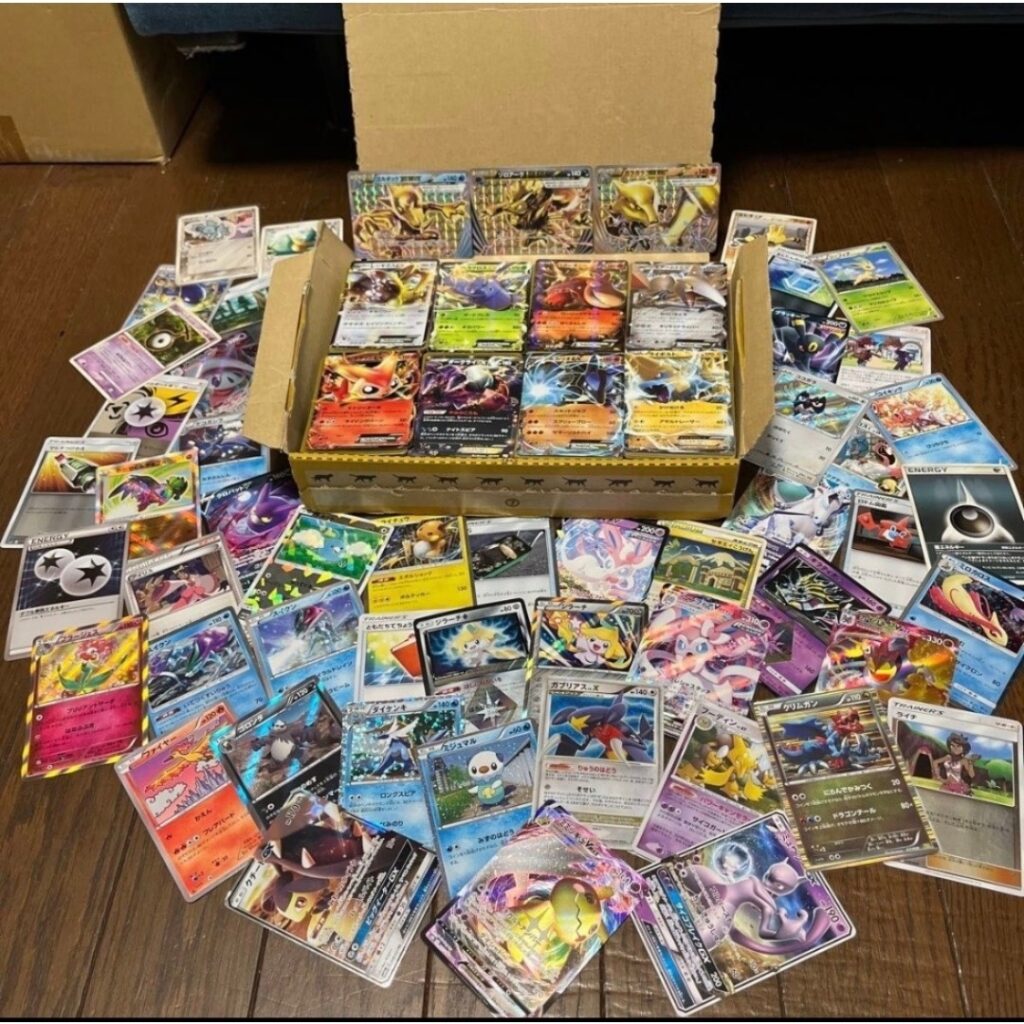
Everything above assumes you can reach Japanese retail pricing. Three steps get you there:
- know what you’re paying for when you buy from a reseller here in the US
- use a proxy service to order from Japanese shops
- structure the order so fees and shipping stay small
The first step is the one most buyers skip.
Buying from US Sellers vs. Ordering Direct from Japan
You can buy Japanese cards without leaving your usual shopping sites. You just won’t get Japanese prices that way.
A seller in the US has already paid to import the product and has built a margin into the listing. The ¥200 pack and the ¥6,000 box are Japanese shelf prices, and those are the numbers every comparison in this article rests on.
Most Japanese shops ship only to addresses inside Japan, which is the specific problem a proxy service solves.
Using a Proxy Service to Order from Japanese Shops
A proxy service gives you a delivery address inside Japan. The service buys the item on your behalf, receives it at a Japanese warehouse, and forwards it to you.
Neokyo charges ¥350 per order and ¥500 for packaging up to 2kg, then bills international shipping at the carrier’s own rate with no markup. Purchases sit in the warehouse free for up to 45 days, so you can stack up several orders and pay to ship once.
See Neokyo’s full fee breakdown
You can search in plain English — Neokyo translates your query into Japanese before it reaches the Japanese marketplaces. Two words are worth leaving out, though. Drop “Japanese,” because every listing on the site is a Japanese listing already, so the word does nothing but narrow your results. And drop “booster,” because ブースター is the Japanese name for Flareon: search for booster boxes and you’ll get a wall of Flareon cards. Pokemon card box is the query that works.
How to Keep Shipping and Fees Down
Fees don’t scale with quantity, so cost per card falls as the order grows. Run through this before you place an order:
- Put multiple copies of the same item in a single order, since the ¥350 fee applies once
- Let several orders pool in the warehouse, then ship them together
- Build the parcel to land inside the 2kg EMS bracket, which holds four or five boxes
- Pick listings with free shipping inside Japan
- Confirm how duty will be collected before you authorize the shipment
Singles follow the same logic and weigh almost nothing, which makes them the cheapest way to test the process.
Should You Buy Japanese Pokémon Cards?
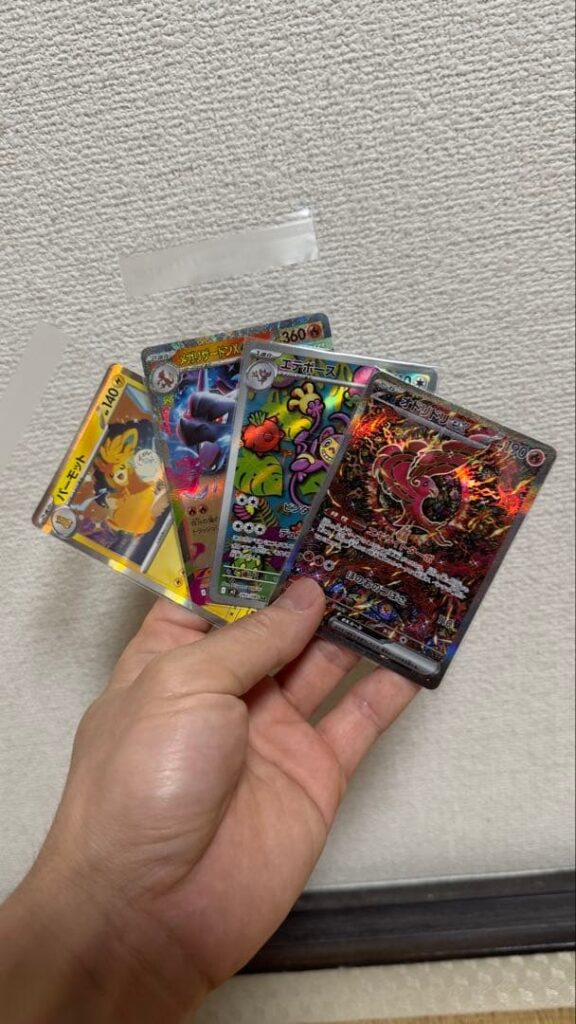
Japanese cards are cheaper for four reasons that have nothing to do with quality: a smaller global buyer pool, a faster release calendar, five-card packs instead of ten, and a supply chain that never crosses a border.
At official retail that works out to roughly 46% less per card. Add EMS shipping and 12.5% duty to a single box, though, and the advantage evaporates — you end up paying a little more than US retail. Order four boxes in one shipment and you land about 19% below it.
The rule is narrow but useful. Buy Japanese when the card also exists in English, and buy enough at once to justify a single parcel. Play in English, collect in Japanese.