
Japanese Denim Brands: The Best Labels and How to Choose Yours
Japanese denim has a reputation for being some of the finest in the world — and some of the priciest. If you are hunting for your first pair, or your next, the sheer number of brands can make it hard to know where to start.
This guide lays out the major Japanese denim brands worth knowing, from heritage originators to heavyweight and texture-driven specialists, and explains what sets each apart. The labels here are our picks, chosen with criteria like weight, fit, fade, and budget in mind rather than presented as an objective ranking. You will also find practical help on choosing a pair that fits your taste and price range, why these jeans cost what they do, and — wherever you live — how to get hold of them.
The Best Japanese Denim Brands to Know
Japan’s denim scene runs from long-established names that helped start the domestic industry to labels prized for sheer weight or unusual texture. The brands below are grouped loosely so you can see how they relate to one another:
- Kojima and Okayama classics and originators: Big John, Momotaro Jeans, Japan Blue Jeans
- Heavyweight, heavily built makers known for high-contrast fades: Iron Heart, Samurai Jeans, The Flat Head
- Texture-driven, character-first brands: Pure Blue Japan, Oni Denim, Sugar Cane
Each one has a distinct personality, so it pays to know what sets them apart before you commit to a pair.
Big John
Big John is one of the names that started it all, which makes it a natural place to begin with Japanese denim. The brand traces back to 1940, when Kotaro Ozaki founded its predecessor, Maruo Clothing, in Kojima, in the Kurashiki area of Okayama Prefecture.
It is often credited as one of the pioneers of domestically made Japanese jeans: the company moved into home-grown jeans during the 1960s and then began producing domestic denim fabric in the 1970s. Exact dates and milestones differ between sources, so it is fair to say Big John helped lay the groundwork rather than claim a single “first.”
What matters for a buyer today is the breadth on offer. The brand still operates out of Kojima, and its catalogue runs from traditional selvedge styles to more innovative, easy-wearing modern fabrics.
That range makes it approachable, letting you pick up a piece of denim history without committing to the stiffest, most demanding pair on the market. For many people exploring the category, Big John is a comfortable and meaningful entry point.
Momotaro Jeans
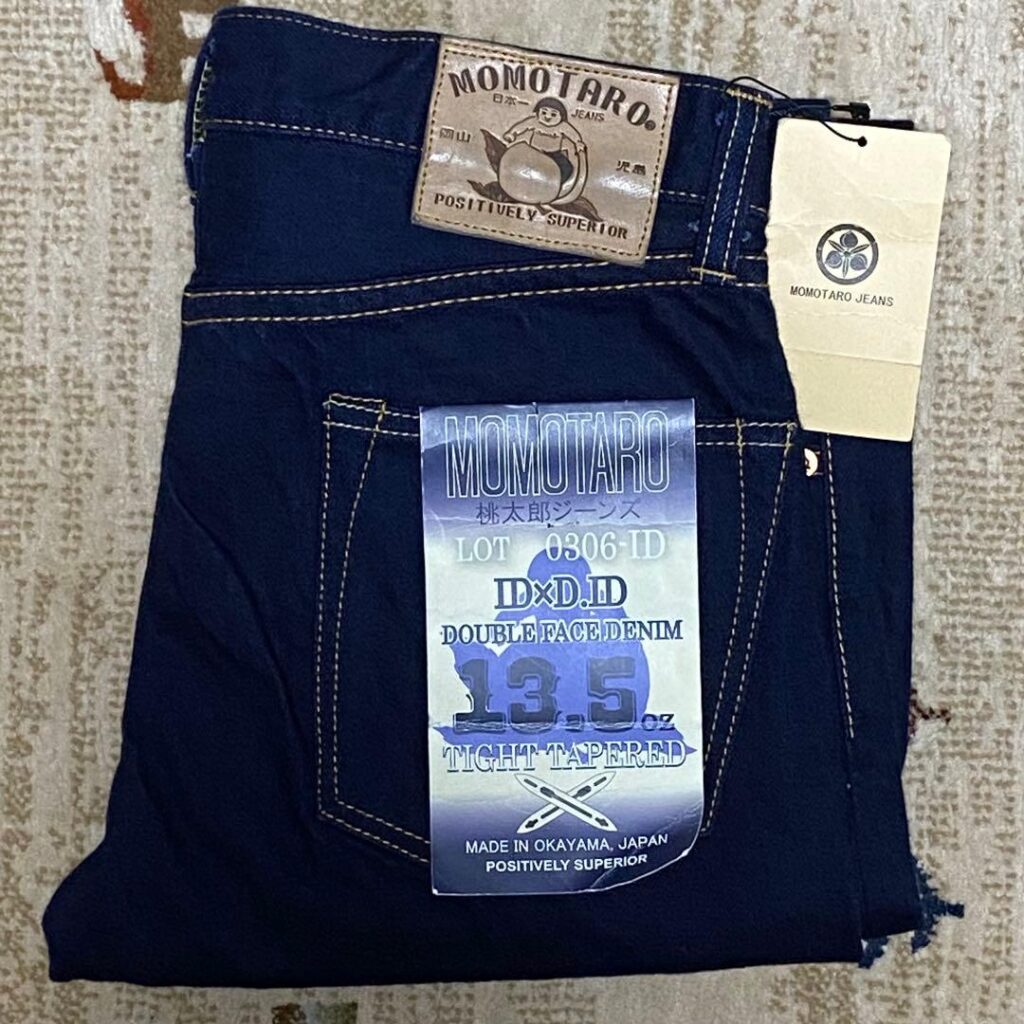
Momotaro Jeans has become a benchmark for a first serious pair, and it remains one of Kojima’s most recognized names. Based in Kojima, Okayama, the brand is built on traditional methods and high-quality materials, and it sits in an area widely regarded as the birthplace of domestically produced jeans, according to Okayama Prefecture.
Its denim is woven from fine Zimbabwe cotton on old-style power looms, hand-finished by craftsmen, and dyed with indigo that leaves a white core. That combination gives the fabric deep color and rewarding fades as it ages.
The current range splits into lines such as STANDARD, CLASSIC, EXCLUSIVE, and NATURAL INDIGO, so you can match a pair to both your taste and your budget. Momotaro is also known for signature details like its pink selvedge ID and battle (shutsujin) stripe, touches that enthusiasts recognize at a glance.
Women’s collections are available as well, which widens the appeal beyond the menswear core. If you want a pair that captures what people mean by “Japanese denim” — careful weaving, premium cotton, and a strong fade — Momotaro is an easy one to put near the top of your shortlist.
Japan Blue Jeans
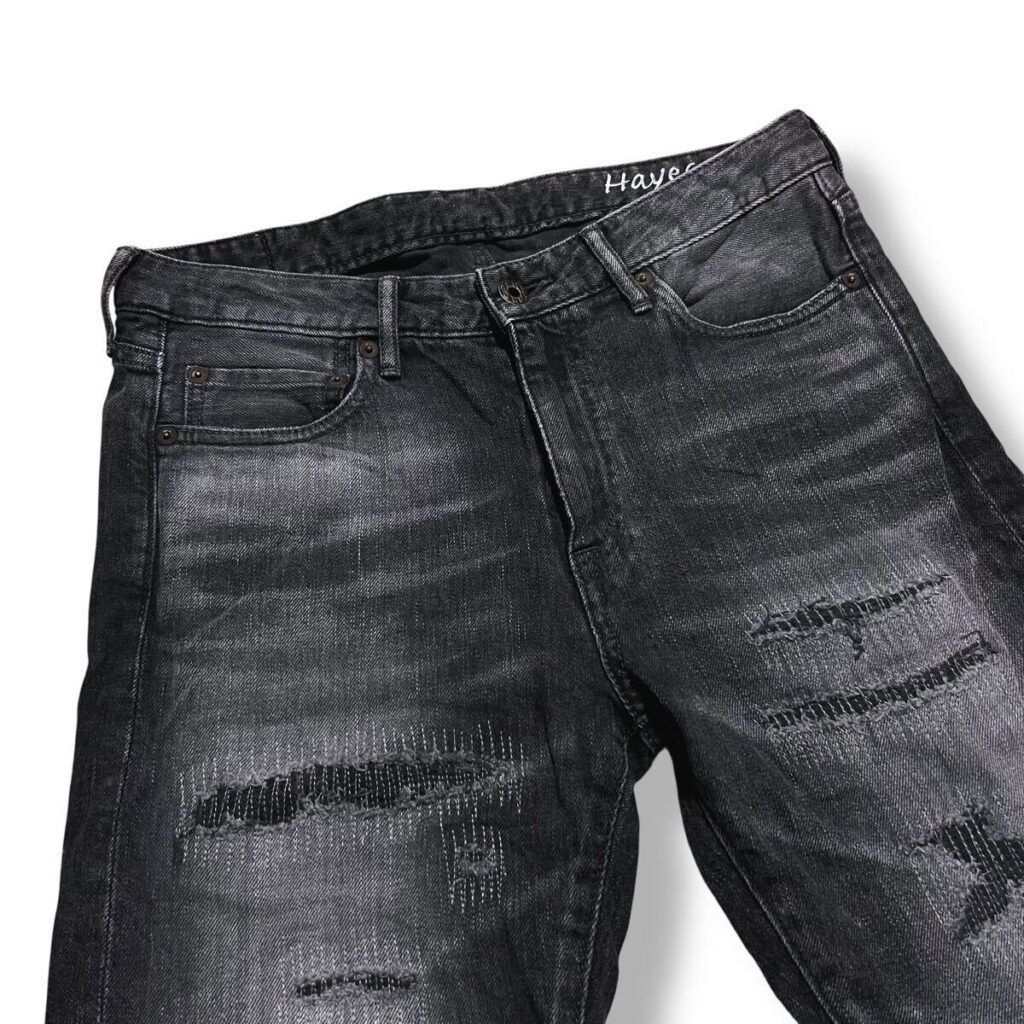
Japan Blue Jeans is one of the best doorways into real selvedge without a premium price, and its western-style fit makes it comfortable to wear from day one. The brand comes from the same company behind Momotaro — Collect, also known as Japan Blue Co. — and is likewise based in Kojima, Okayama.
That shared ownership gives you access to serious fabric and dyeing know-how at a more approachable, value-focused price point. Japan Blue uses Zimbabwe cotton and rope dyeing, the same building blocks found in much pricier Japanese denim, which is part of why it punches above its cost.
The brand started up around the early 2010s, making it younger than many of the heritage labels here, though it draws on a deep manufacturing background. For a first venture into raw selvedge, or a dependable everyday pair to sit alongside more demanding jeans, Japan Blue is a smart, low-risk choice.
Iron Heart
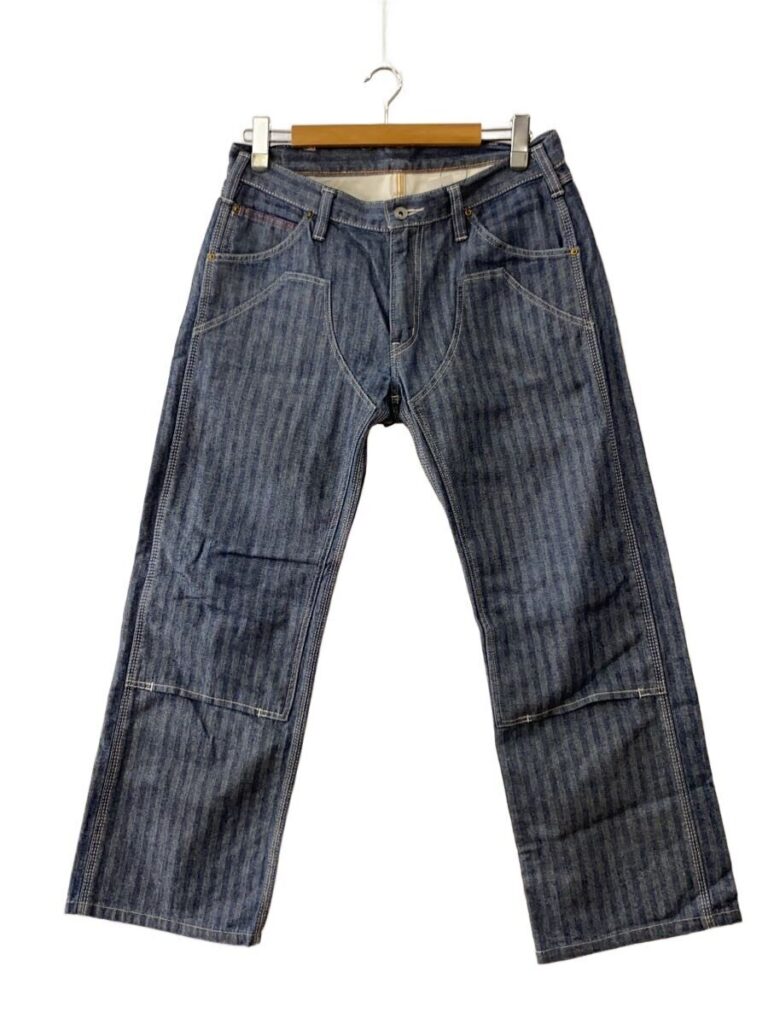
Iron Heart is the reference point for heavyweight Japanese denim, built for people who want their jeans tough above all else. The parent company, Works Inc., started in 2002, with the Iron Heart brand following in 2003, both founded by Shinichi Haraki.
The label is based in Japan, with operations in Hachioji, and it draws its identity from the country’s motorcycling culture — a heritage that explains the lean toward serious weight. Its signature fabric is 21oz, and its 25oz denim ranks among the heaviest produced at any real scale.
Cloth that thick comes with consequences: a new pair feels stiff and unforgiving at first and needs a proper break-in period before it softens and molds to you. For dedicated wearers, that early discomfort is part of the appeal, treated as the price of a pair that ages into something uniquely theirs. If durability and a commanding, rugged fade matter more to you than easy comfort out of the box, Iron Heart belongs at the top of your list.
Samurai Jeans
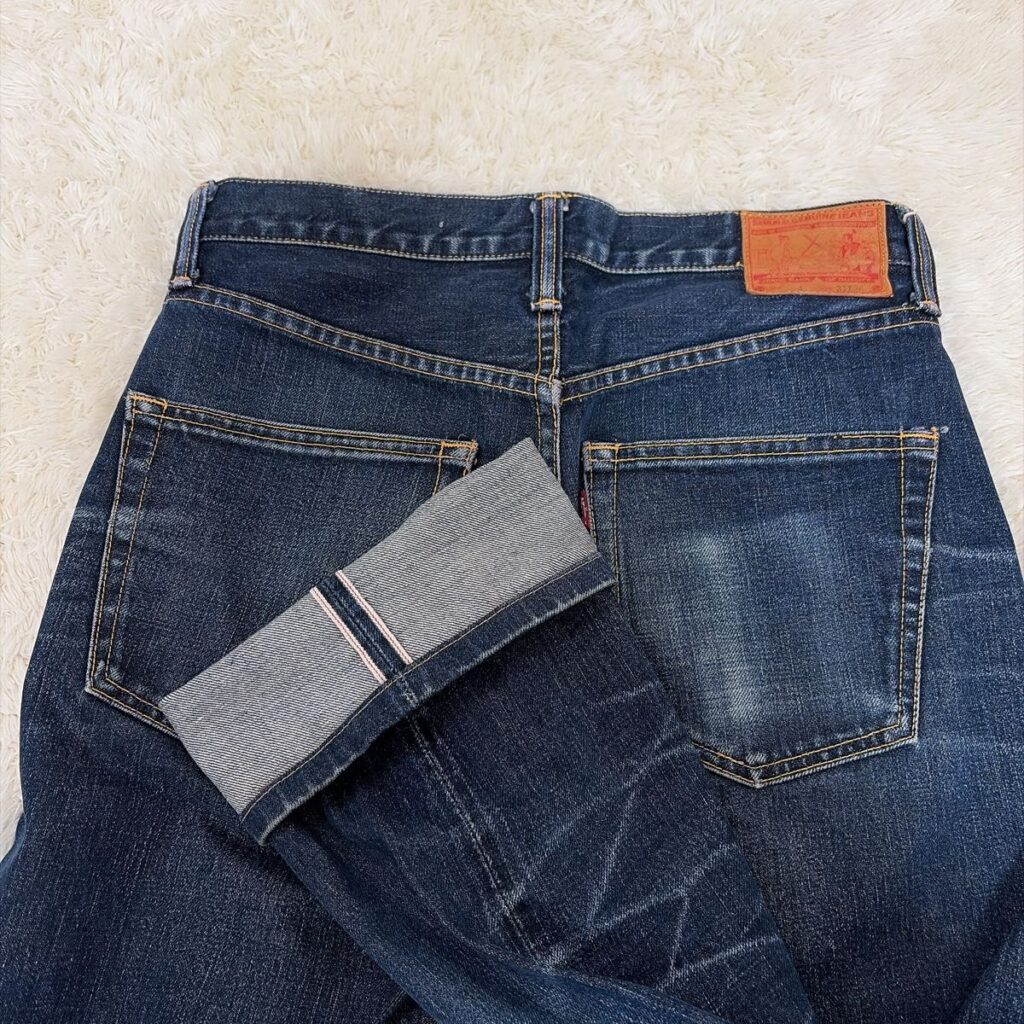
Samurai Jeans is an Osaka heavyweight, prized for dramatic, high-contrast fades and a serious commitment to quality. The brand is built around the joy of aging denim — watching color and texture develop steadily with wear — and it backs that philosophy with real attention to materials, including its own cotton-growing effort under the COTTON FARM project.
Samurai is known for a silver-thread selvedge ID, a detail often said to evoke the gleam of a katana, and that signature makes its jeans easy to spot among a crowd of Japanese labels. Its lineup includes heavier-weight fabrics that fade with strong contrast, so the personality of the denim emerges clearly as it breaks in and ages.
The brand is generally said to have been founded in the late 1990s, which places it among the established Osaka names of that period. None of this comes cheap, but the price tracks the level of fabric and finishing involved. For anyone who wants a heavyweight pair that rewards patience with a bold, expressive fade, Samurai is a compelling place to look.
The Flat Head
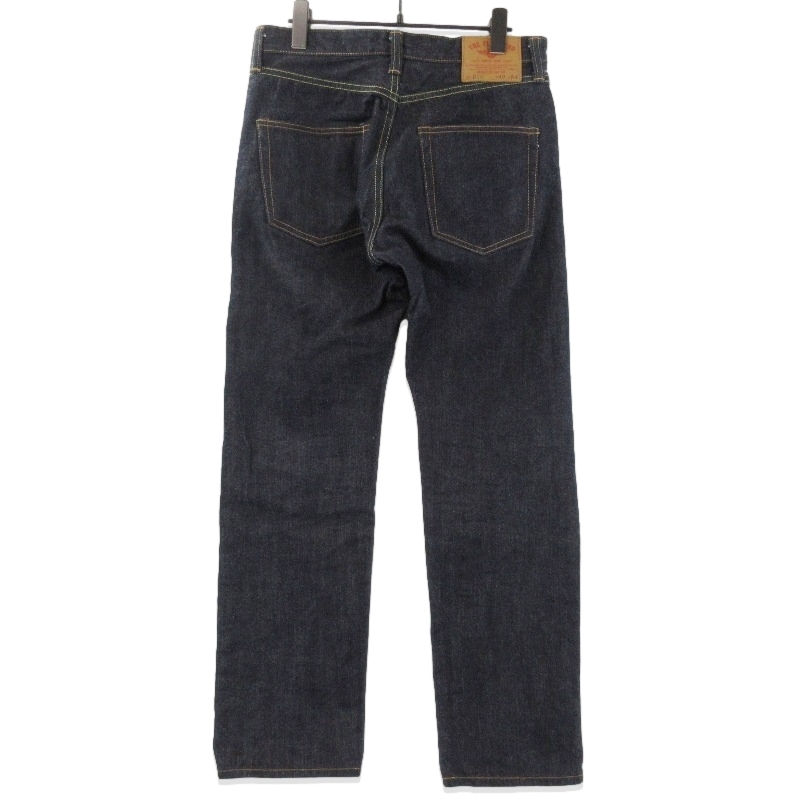
The Flat Head is a maker for people who want to grow their denim slowly, known for high-contrast vertical fades — tate-ochi — and meticulous construction. Masayoshi Kobayashi founded the brand in Nagano in 1996, drawing inspiration from 1950s Americana and vintage workwear.
That influence shows in the details, from purpose-made rivets to the overall build quality, which the brand pursues with unusual rigor. Flagship cuts such as the 3009 sit around a mid-weight 14.75oz, with heavier options available for those who want more substance.
The house denim is especially known for tate-ochi: pronounced vertical streaks of fading that tend to appear relatively quickly and with strong contrast. The cloth itself is woven slowly on old-style shuttle looms in Okayama, the heart of Japan’s denim production.
The result is a pair built to reward time and wear rather than instant gratification. If you enjoy the process of breaking in raw denim and want fades with real visual drama, The Flat Head is well worth a close look.
Pure Blue Japan
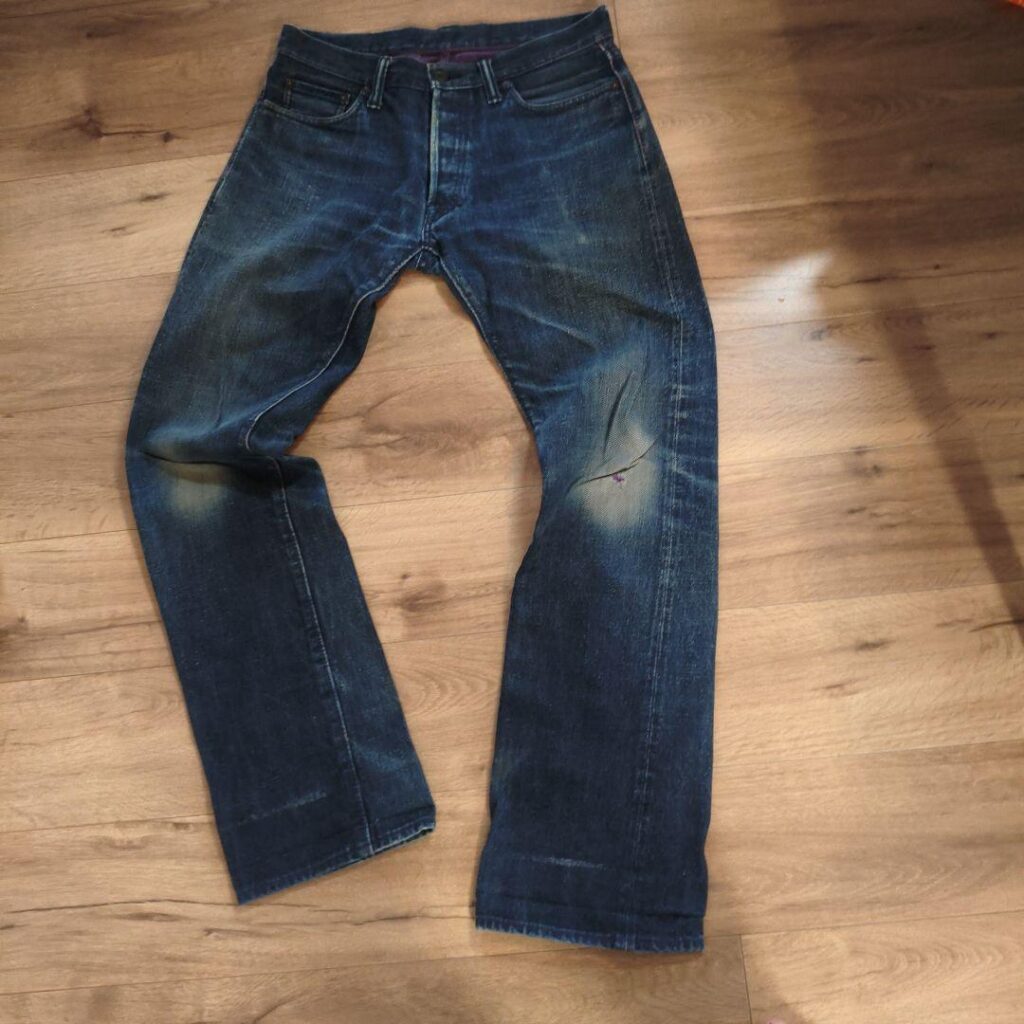
Pure Blue Japan specializes in texture and the expression of indigo, with slub-heavy fabric and high-contrast fades as its calling card. Ken-ichi Iwaya founded the brand in 1997 in Kurashiki, Okayama, under the parent company Syoaiya.
One of its defining traits is fully domestic production: dyeing, weaving, sewing, and finishing all happen in Japan, which gives the brand tight control over every stage. The denim is woven on low-tension shuttle looms that produce strongly slubby, nep-filled fabric with a lively, irregular surface.
Color comes from natural indigo — aizome — and a small leaf embroidery on the back pocket serves as the brand’s recognizable mark. One point worth noting for material-conscious buyers: Pure Blue Japan uses primarily American cotton rather than the Zimbabwe cotton seen at Momotaro or Japan Blue.
The range also extends to women’s and kids’ pieces, broadening it beyond a menswear-only label. The emphasis throughout is on denim that looks and feels alive, so if you are drawn to characterful texture and deep, natural indigo over a smooth, uniform finish, this is a brand that delivers.
Oni Denim
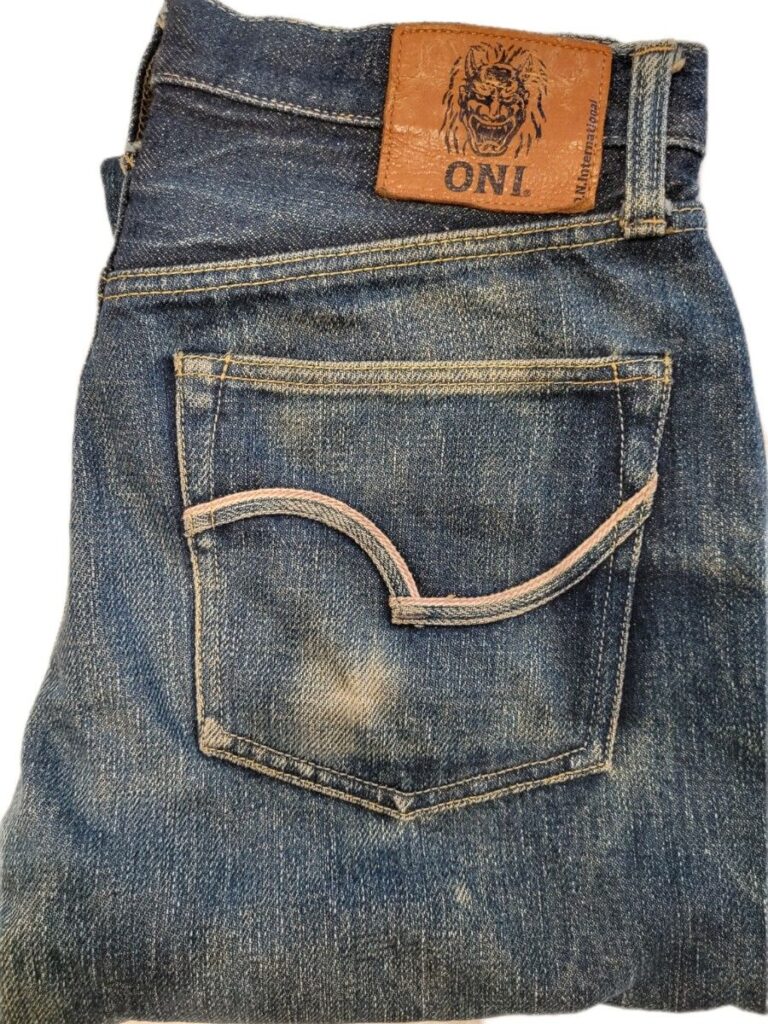
Oni Denim is a texture obsessive’s specialist, famous for unusual slubby fabrics and small, limited production runs. The brand was founded by Masao Oishi, a notably reclusive craftsman, and it has built its reputation on scarcity as much as on the denim itself.
Working out of Okayama, Oni operates on a single old-style, low-tension shuttle loom, which it uses to weave fabrics unlike almost anything else on the market. The name comes from oni, the Japanese demon, and that fierce spirit suits the brand’s so-called secret denim: cloth defined by extreme slub and a wild, irregular surface.
Because output is so limited, Oni jeans can be genuinely hard to find, which only adds to their cult appeal. If your priority is raw, characterful texture and you enjoy hunting for something few other people own, Oni is built precisely for you.
Sugar Cane
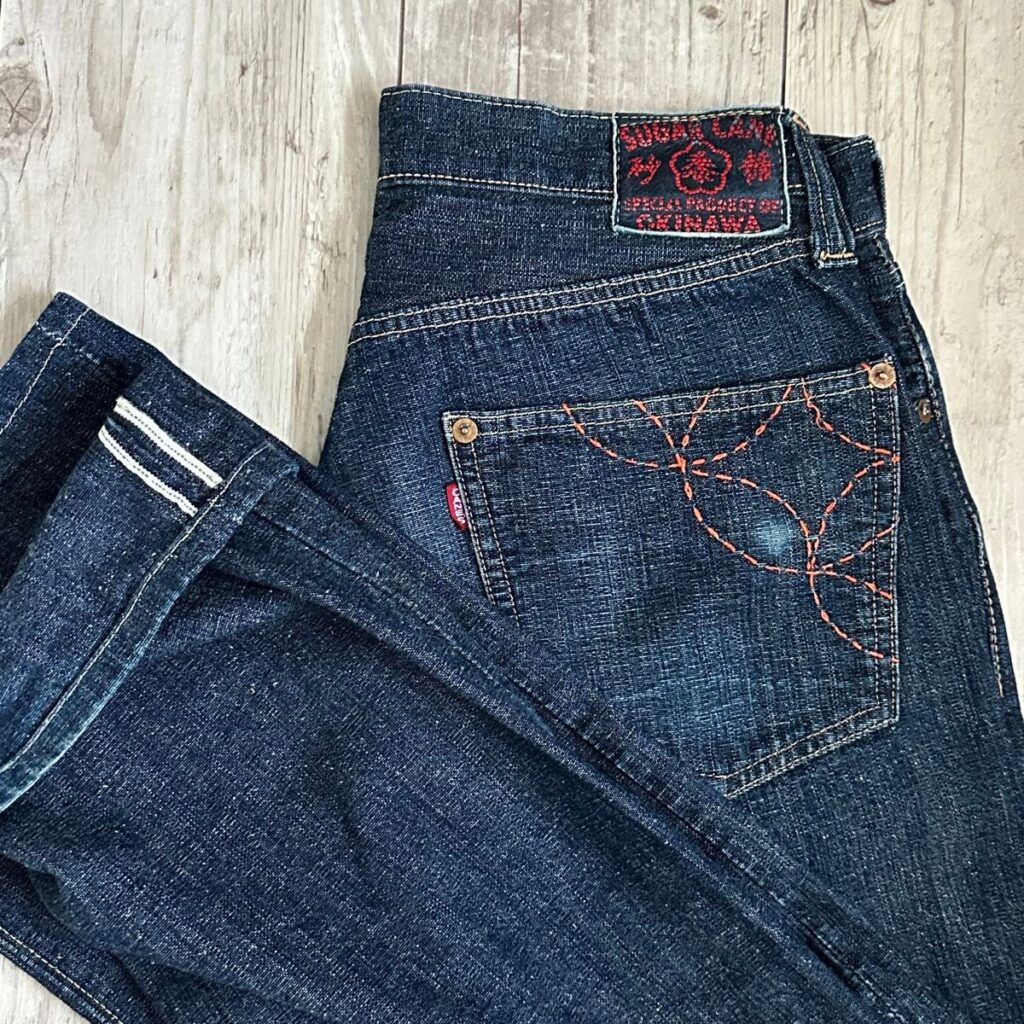
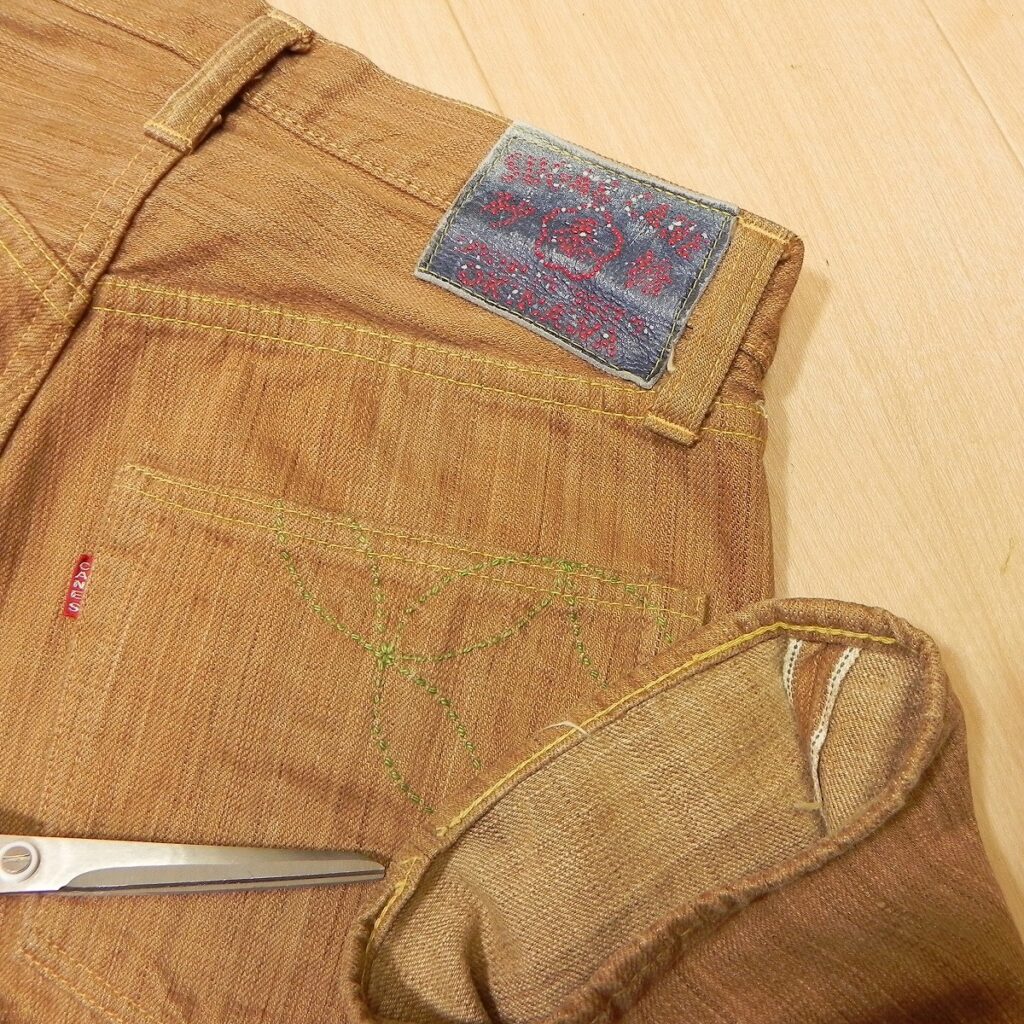
Sugar Cane is a dependable Americana staple, sitting under the Toyo Enterprise umbrella and favored by long-time denim enthusiasts. Established in 1975 as Toyo’s premier domestic denim brand, it has spent decades building a catalogue rooted in faithful vintage reproduction.
The denim is woven on narrow shuttle looms, the traditional setup that gives selvedge much of its character, and the brand works to recreate the look and feel of classic American jeans. Its signature twist is the fabric itself: some Sugar Cane denim blends in actual sugar cane fibers, which lends a distinctive slubby texture you will not find elsewhere.
That mix of vintage accuracy and a unique hand has made it a trusted name among Americana fans. With more accessible cuts — the 1947 among them — sitting at the affordable-to-mid end of the spectrum, Sugar Cane is an approachable way into the Toyo family without stepping straight to the top of the price ladder.
| Brand | Base | Fabric & fade character | Price tier | Men’s / Women’s |
| Big John | Kojima, Okayama | Pioneer of domestic jeans; selvedge through easy-wearing mass-market | Entry to mid | Mostly men’s |
| Momotaro Jeans | Kojima, Okayama | Zimbabwe cotton, deep indigo, pink selvedge, strong fades | Premium | Men’s + women’s |
| Japan Blue Jeans | Kojima, Okayama | Zimbabwe cotton, rope dyeing, modern fit | Entry to value | Mostly men’s |
| Iron Heart | Hachioji, Japan | Super-heavyweight (21/25oz), high durability, powerful fades | Premium | Mostly men’s |
| Samurai Jeans | Osaka | Heavyweight, high-contrast dramatic fades, silver-thread ID | Premium | Mostly men’s |
| The Flat Head | Nagano | High-contrast vertical fades, meticulous build, Okayama-woven, mid-to-heavy | Premium | Mostly men’s |
| Pure Blue Japan | Kurashiki, Okayama | Strong slub/nep, deep natural indigo | Premium | Men’s + women’s/kids |
| Oni Denim | Okayama | Extreme-slub “secret denim,” irregular low-tension weave | Premium (limited, hard to find) | Mostly men’s |
| Sugar Cane | Tokyo | Vintage reproduction, sugar-cane-fiber slub | Affordable to mid (1947 cut) | Mostly men’s |
The Osaka Five: Japan’s Original Denim Brands
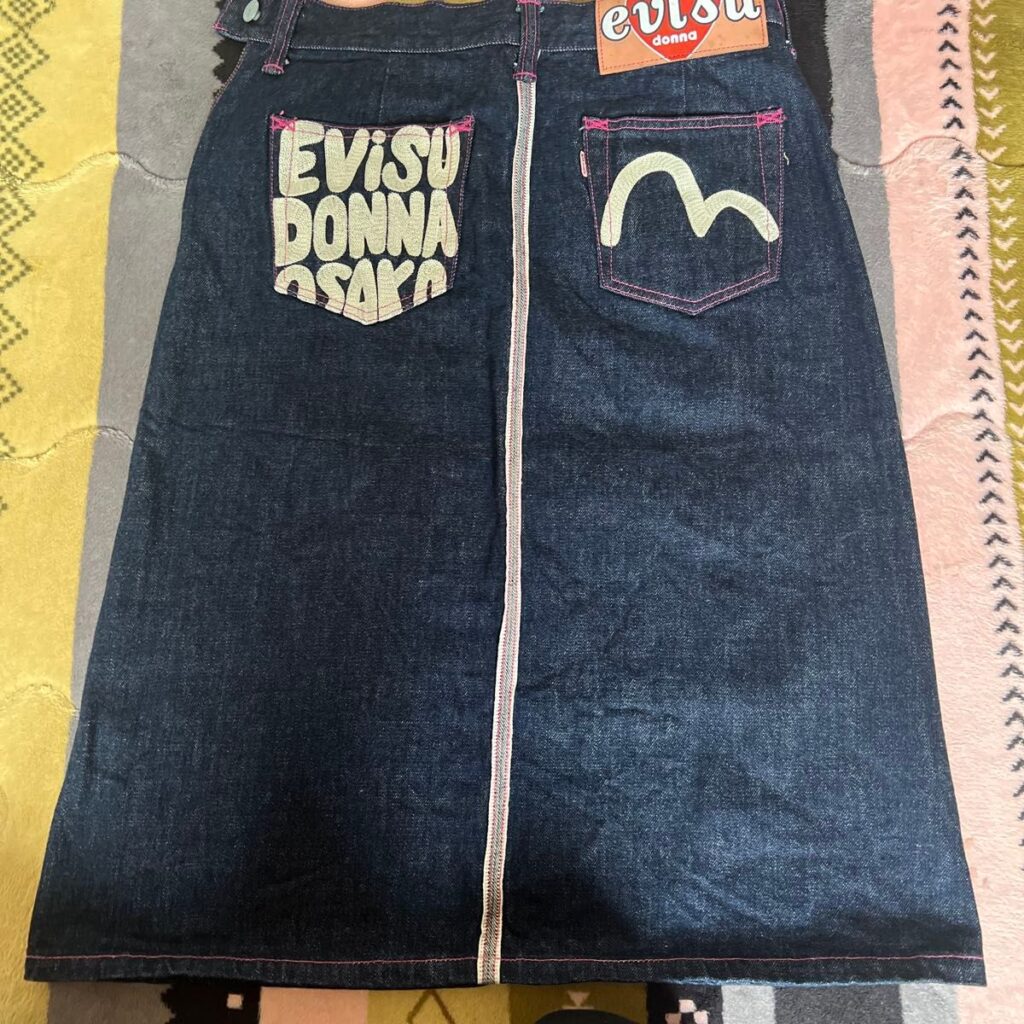
Long before Japanese denim became a global obsession, a handful of Osaka-area labels did the early work of reviving vintage American jeans and reproducing them with obsessive care. Collectors group five of them together under a single banner.
The Osaka Five refers to Studio D’Artisan, Evisu, Denime, Fullcount, and Warehouse — the brands widely seen as the founders of the modern Japanese denim movement. It is worth knowing that this label is not something the brands themselves use day to day in Japan; it grew up among fans and overseas enthusiasts as a convenient way to talk about the group. With that context in mind, here is what each one brings.
The Osaka Five at a glance
・Studio D’Artisan — the originator, with a French-workwear sensibility and a pig mascot
・Evisu — the most internationally famous, known for its hand-painted seagull logo
・Denime — a purist focused on faithful vintage-Levi’s reproduction
・Fullcount — an early adopter of soft, comfortable Zimbabwe cotton
・Warehouse — the youngest member, devoted to meticulous vintage reproduction
Note: “Osaka Five” is a nickname coined by fans and overseas enthusiasts, not a term the brands themselves use in Japan.
Studio D’Artisan
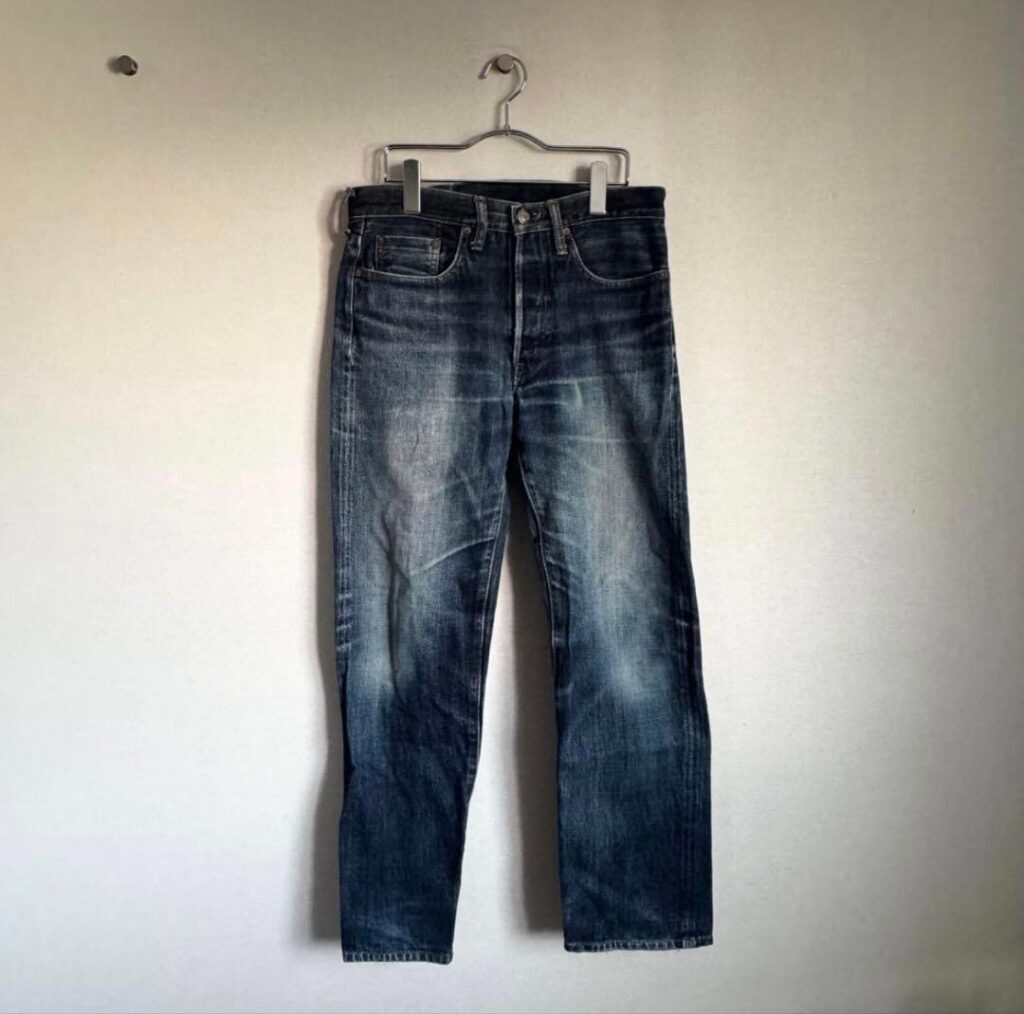
Studio D’Artisan is the originator of the group, the label most often credited with sparking the Osaka denim scene. Founded in 1979 by Shigeharu Tagaki, it predates the others and set much of the template they would follow.
Its identity draws on French workwear, giving it a distinct sensibility among Japanese reproduction brands, and its playful pig mascot serves as an instantly recognizable signature. For anyone tracing the roots of the movement, this is where the story begins.
Evisu
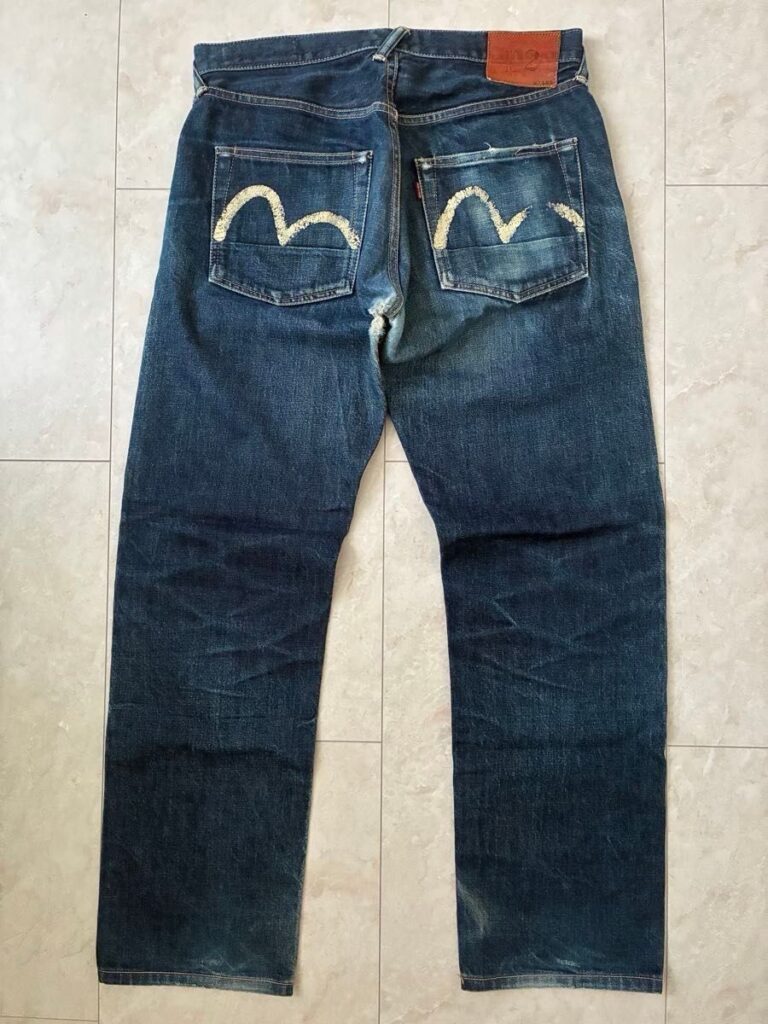
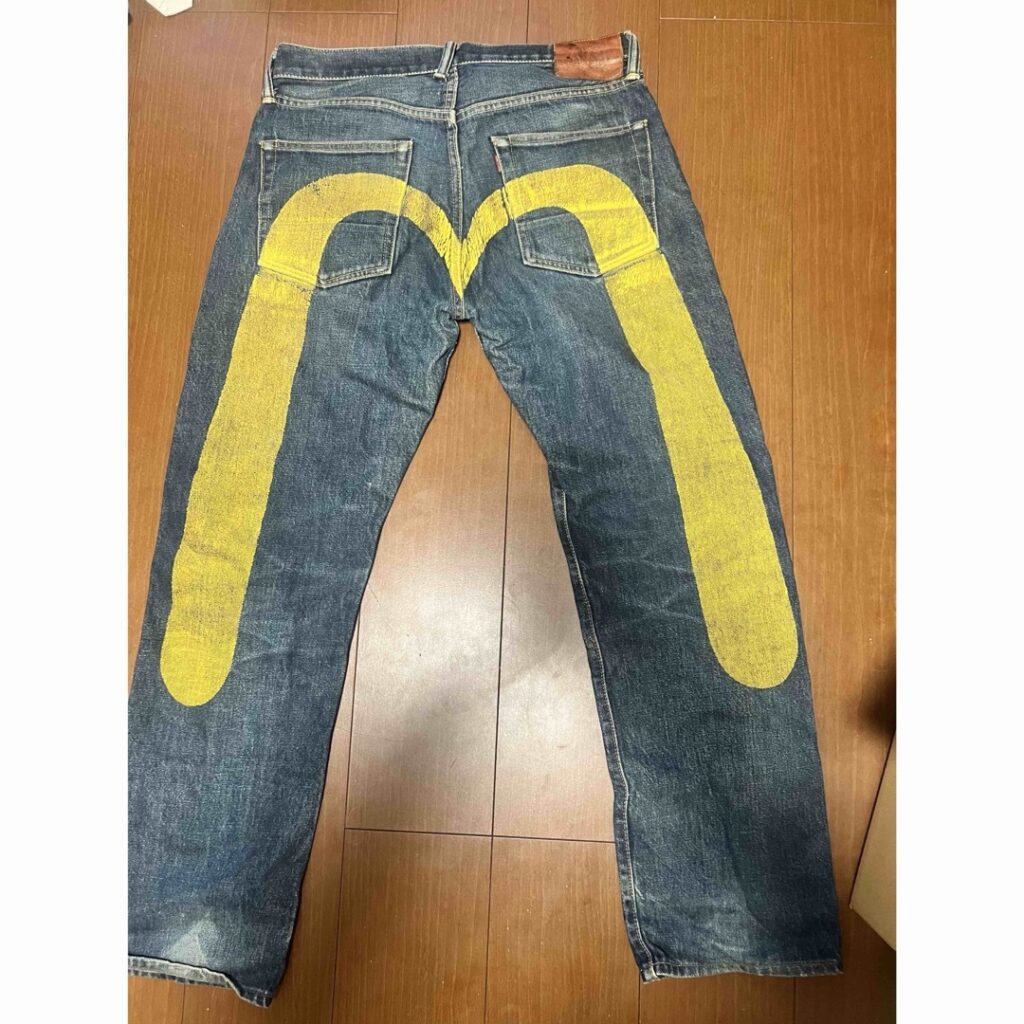
Evisu is the most internationally recognized of the Osaka Five, the brand that did the most to carry Japanese denim to a global audience. Yujiro Yamane founded it in Osaka in 1991, taking the name from Ebisu, one of Japan’s seven lucky gods.
Its defining mark is the hand-painted gull-wing arcuate on the back pockets — a stroke applied by hand that became a worldwide symbol of the brand. That bold, visible signature helped make Evisu a gateway name for denim fans far beyond Japan.
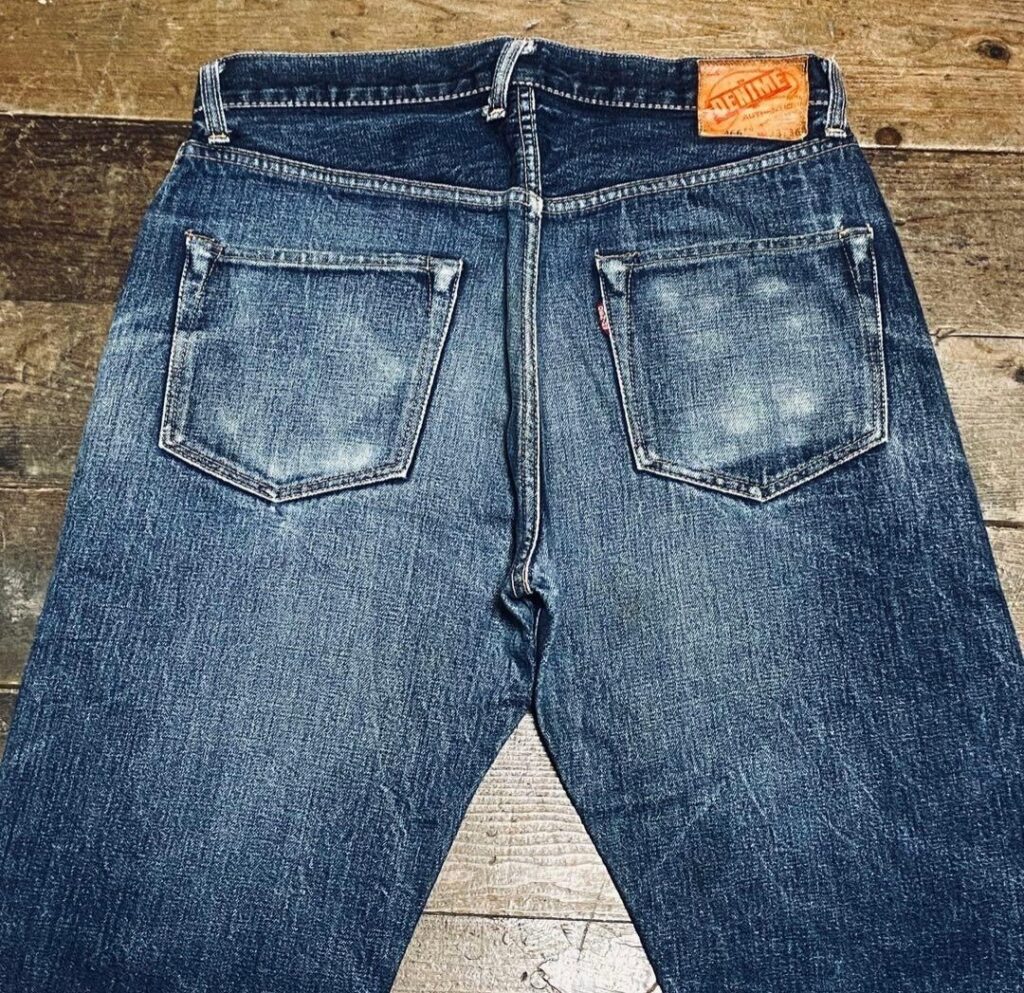
Denime
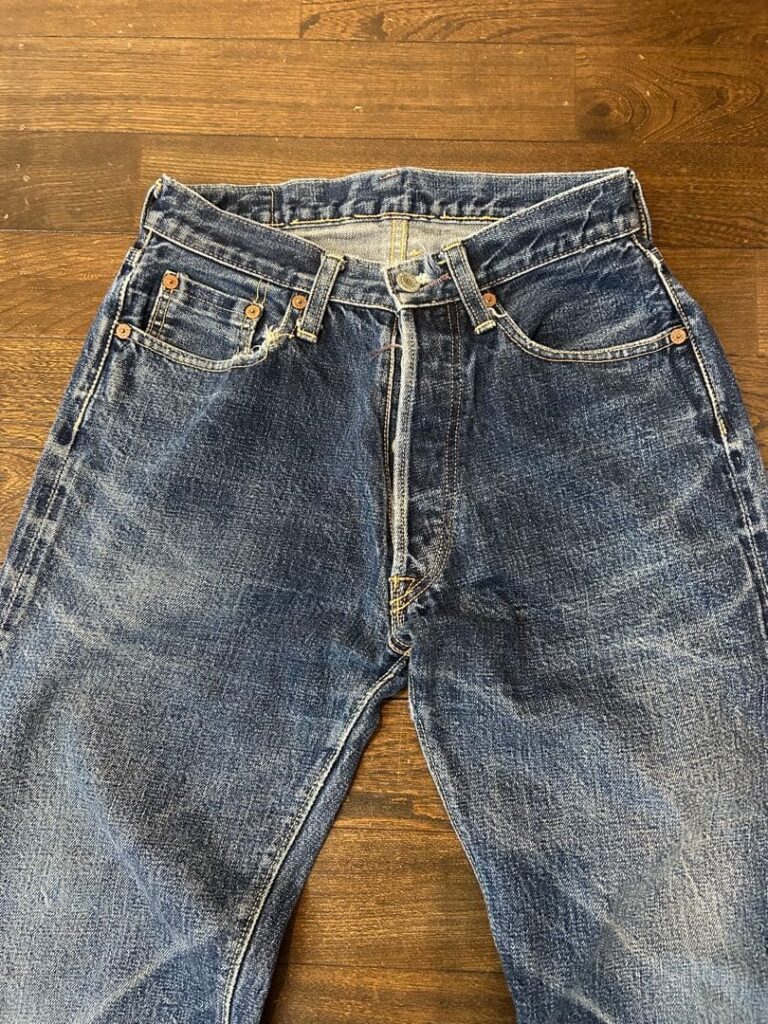
Denime is the purist of the group, focused on recreating vintage American jeans with quiet accuracy. Yoshiyuki Hayashi founded it in 1988, and although the brand is based in Kobe, it sits firmly within the Osaka scene’s orbit and shares its reproduction philosophy.
The aim throughout is faithful homage to classic Levi’s, which makes Denime a natural pick for anyone who values traditional, no-frills authenticity over flashier details.
Fullcount
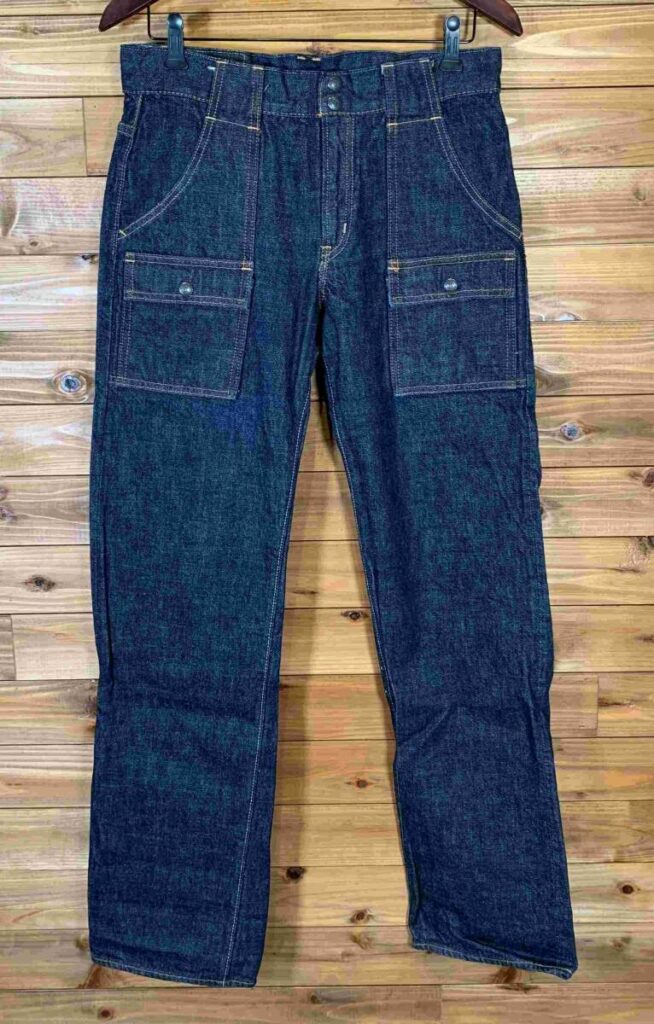
Fullcount is the comfort-minded member of the Osaka Five, built around a soft, easy-wearing feel. Tsujita founded the brand in the early 1990s, and it earned a place in denim history as one of the first Japanese labels to embrace long-fiber Zimbabwe cotton.
That choice gives its Made-in-Japan denim a notably comfortable hand, setting it apart from the stiffer, more demanding reproductions of its peers. If you want Osaka Five heritage without a punishing break-in, Fullcount is the friendly entry point.
Warehouse
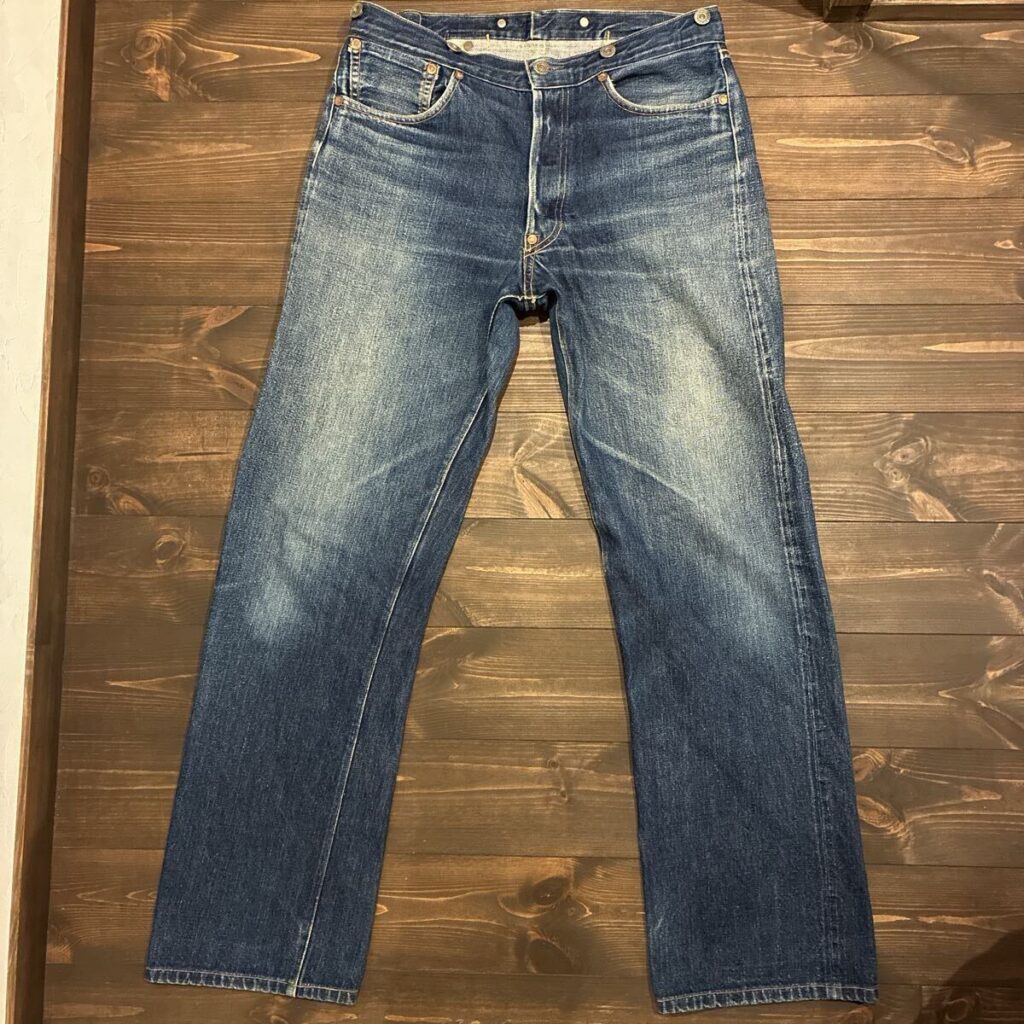
Warehouse is the youngest of the Osaka Five and one of its most meticulous. Brothers Kenichi and Koji Shiotani, both formerly of Evisu, founded the brand in 1995, bringing their reproduction expertise with them.
Their focus is uncompromising fidelity to vintage detail, and the Lot.1001XX stands as their signature model. For collectors who care about getting every element of a classic jean exactly right, Warehouse rewards close attention.
How to Choose the Right Japanese Denim Brand for You
Knowing the brands is only half the work; the other half is matching one to your own taste, body, and budget. A few clear criteria make the decision far easier. The points below walk through how to weigh weight, fit, fade, raw versus washed denim, price, and whether you are shopping for men’s or women’s styles:
- Choosing by denim weight
- Choosing by fit and silhouette
- Choosing by fade and texture
- Choosing raw or one-washed denim
- Choosing by budget and price range
- Choosing for men or for women
Run through these in order and a shortlist tends to emerge on its own.
Find your pair — a quick checklist
☐ What weight do you want — light, mid, or heavy?
☐ What silhouette suits you — slim, tapered, straight, or wide?
☐ Do you prefer high-contrast fades, slubby texture, or something subtler?
☐ Raw (with shrinkage) or one-washed?
☐ What’s your budget range?
☐ Are you shopping men’s, women’s, or unisex?
Choosing by Denim Weight
Weight is the first thing to settle, because it shapes how a pair feels to wear and which seasons it suits. Denim weight is measured in ounces (oz), and heavier or lighter cloth changes both comfort and seasonality.
As a rough guide, lightweight denim runs up to around 13oz, mid-weight sits at roughly 13 to 16oz, and heavyweight starts at about 16oz and up — with super-heavyweight fabrics above 21oz, such as Iron Heart’s, at the far end. These bands are approximate rather than strict standards, so treat them as orientation, not rules.
Heavier denim is stiff and substantial and asks for a break-in period, while lighter-to-mid-weight cloth is easier to handle and friendlier for a first pair. If you run warm or want something wearable year-round, lean lighter; if you want presence and a slow, rewarding break-in, go heavy.
Choosing by Fit and Silhouette
Fit has the most direct effect on whether you reach for a pair, so it deserves real thought. Japanese denim comes in the full range of silhouettes — slim, tapered, straight, and wide — and the right one depends on your build and how you like your jeans to sit.
Beyond the cut itself, there is a practical detail to plan for: Japanese denim is commonly sold at a fixed inseam and finished to length afterward, often with chain-stitch hemming. That means hemming is usually part of the process rather than an afterthought, so factor it into both your sizing and your timeline when you buy.
Choosing by Fade and Texture
Fade and texture are where personal taste matters most, because they decide how your denim will look as it ages with you. Raw denim develops its own individual fades through wear, recording your habits in lines and creases that no two pairs share.
Beyond that, fade behavior varies by brand: some lean toward high-contrast results, others toward slub-heavy fabrics with a rougher, more textured surface. If you love dramatic, visible contrast, brands known for it will satisfy; if you prefer character in the weave itself, a slubby fabric delivers that instead. Deciding what you want to see develop over time points you straight at the right makers.
Choosing Raw or One-Washed Denim
The raw-versus-washed choice comes down to how much shrinkage and break-in you are willing to manage. Raw denim is unwashed and untreated, so it starts out stiff, then shrinks and settles as it adjusts to you over the first wash and wears.
Unsanforized raw denim can shrink by roughly 5% to 10% on its first wash, so you need to size up with that in mind, according to Barnabé. Sanforized or one-washed denim has that shrinkage largely controlled, letting you choose your normal size and wear it with fewer surprises.
Neither is better in absolute terms — raw rewards patience and gives you full control over the fade, while one-washed offers convenience and predictable sizing.
| Type | Shrinkage | Sizing | Ease of use |
| Raw / unsanforized | Roughly 5%–10% on first wash | Size up to allow for shrinkage | More demanding; rewards patience |
| Sanforized / one-washed | Largely controlled | Choose your usual size | Easier; predictable from day one |
Choosing by Budget and Price Range
Price naturally narrows the field, and Japanese denim spans a wide spectrum from entry-level to high-end. Where a pair lands depends on construction, materials, production scale, and exchange rates, all of which push the final figure up or down.
As a rough tier-by-tier guide for new selvedge jeans themselves, entry-to-value pairs run about $150 to $260, mid-tier pairs about $200 to $320, premium pairs about $300 to $440, and super-heavyweight, limited, or top-end pairs about $440 and above — with some hand-woven or special pieces climbing higher still. These are ballpark bands rather than fixed prices, and the actual cost varies with exchange rates and retailer, so any single pair can sit outside them.
Note too that these figures reflect new, full-price selvedge; sales, secondhand pairs, limited editions, and collaborations sit on a different scale. For a more affordable entry into the category, Japan Blue Jeans is often regarded as one of the easier starting points without sacrificing real selvedge quality.
| Tier | Approximate price (new selvedge) |
| Entry to value | About $150–$260 |
| Mid-tier | About $200–$320 |
| Premium | About $300–$440 |
| Super-heavyweight / limited / top-end | About $440 and up |
Prices vary with exchange rates and retailer, and hand-woven or special pieces can run higher still.
Choosing for Men or for Women
Most Japanese denim is built around menswear, but the options for women are wider than they first appear. While many brands focus on men’s cuts, several offer women’s lines, and some pieces are effectively unisex.
Among makers aimed specifically at women, Betty Smith is known as a leading manufacturer of women’s jeans, which makes it a useful name to know if you are shopping outside the menswear-default lineup. The takeaway is that women have real choices here — both through brands with dedicated women’s collections, such as Momotaro and Pure Blue Japan, and through specialists who design with a women’s fit in mind from the start.
What Makes Japanese Denim Worth the Higher Price
There is no getting around it: Japanese denim costs more than most jeans. What justifies that premium is a specific set of choices in how the cloth is made — the looms, the cotton and dye, and the scale of production. Understanding these helps explain where the money goes, and whether the trade is worth it is ultimately yours to judge.
Shuttle-Loom Selvedge and Slow Weaving
Much of the cost and character of Japanese denim starts at the loom. Selvedge denim is woven on old-style shuttle looms that finish the fabric with a clean, self-bound edge — the self-edge that gives the style its name.
These looms run slowly and produce only narrow widths, which makes them far less efficient than modern machinery. That inefficiency is also the point: the slow, low-tension weave creates the distinctive surface and texture that mass-produced denim cannot replicate.
In other words, part of what you pay for is the deliberate choice to weave the hard way, on machines valued precisely for what they do that faster looms cannot.
Premium Cotton and Natural Indigo Dyeing
The raw materials carry much of the cost as well. Many Japanese makers use long-staple cotton such as Zimbabwe cotton, prized for the quality of the yarn it produces.
The dyeing matters as much as the fiber: indigo applied so that it leaves a white core, often using natural indigo — aizome — gives the denim deep, rich color and the characteristic way it fades and ages over time. Premium fiber and careful dyeing both show up in how the finished jean looks and feels, and both are reflected in the price.
Small-Batch, Made-in-Japan Construction
The final piece is how the jeans are built. Production runs on vintage Toyoda power looms with significant hand work, in small batches and entirely in Japan, which means a level of quality control different from high-volume manufacturing.
Country of origin carries real weight in pricing, and Made-in-Japan construction at this scale sits at the costly end by design. For someone who wants to wear a pair for years and grow attached to it, that investment tends to make sense — the value lands when you plan to keep and develop the denim rather than replace it.
And while these jeans come from Japan, there are ways to get hold of a pair even if you live elsewhere, which the next section covers in detail.
Browse Japanese denim brands on Neokyo
How to Buy Japanese Denim from Anywhere
Once you know which pair you want, the next question is how to get it — especially from outside Japan. The good news is that there are several routes, though availability depends on the brand, the item, and where you live. From official online stores to in-person shopping and proxy services, here are the main ways to buy.
Buying from Brand and Specialty Online Stores
The most direct route is buying online from the brands themselves or from specialty denim retailers. Many official and specialist online stores ship internationally, putting authentic Japanese denim within reach no matter where you are.
Specialist retailers in particular tend to offer detailed size guides and fabric information, which makes choosing the right pair far easier when you cannot try before you buy. Keep in mind that customs duties and shipping fees may apply on top of the listed price, and those costs vary by country and can fall to you as the buyer.
Before you check out
・Customs duties and shipping fees may be charged on top of the price, depending on your country.
・Many Japanese jeans are sold at a fixed inseam, so plan for hemming to finish them to length.
Shopping in Person at Tokyo and Okayama Denim Stores
If you can travel, shopping in person lets you handle the denim and try pairs on before committing. Tokyo is home to multi-brand stores where you can compare major labels side by side, while Okayama — and Kojima in particular — is the heartland of Japanese denim production.
In Tokyo, one well-known example is Hinoya in the Ameyoko area of Ueno: established in 1949, it carries many major Japanese denim brands and handles in-store hemming. Down in Kojima, the area known as Jeans Street gathers around 40 shops and draws roughly 100,000 visitors a year, making it a destination in its own right.
Shops like Hinoya are offered here as one example rather than a complete store guide, and visiting travelers who meet the requirements may in some cases be able to use tax-free shopping, though conditions apply and a passport is needed.
Using a Proxy Service to Buy from Japan
When a store does not ship abroad — or when you are after a Japan-only release — a proxy service is the way through. A proxy buys the item domestically on your behalf, then stores, consolidates, and ships it overseas to you, which is different from a simple package-forwarding service.
The typical flow runs from order to domestic receipt and storage, then consolidation, then international shipping, and a good proxy can handle Japanese stores like Rakuma, Mercari, and Rakuten. Neokyo, a proxy service based near Fukuoka, follows this model: it offers 45 days of free storage, package consolidation, and worldwide shipping, with a commission that at the time of writing is ¥350 per item. It connects Japan’s domestic marketplaces with buyers overseas, wherever they are.
- Step 1: Choose「Pick the brand or item you want from a Japanese store.」
- Step 2: Order「Place the order with the proxy, which buys it domestically on your behalf.」
- Step 3: Store and consolidate「Have it received and held at the warehouse, then combined with other items.」
- Step 4: Ship「Select international shipping to your country.」
Once you know how it works, the path from a Japan-only pair to your closet is short.
Browse Japanese denim brands on Neokyo
Start Your Japanese Denim Journey from Anywhere
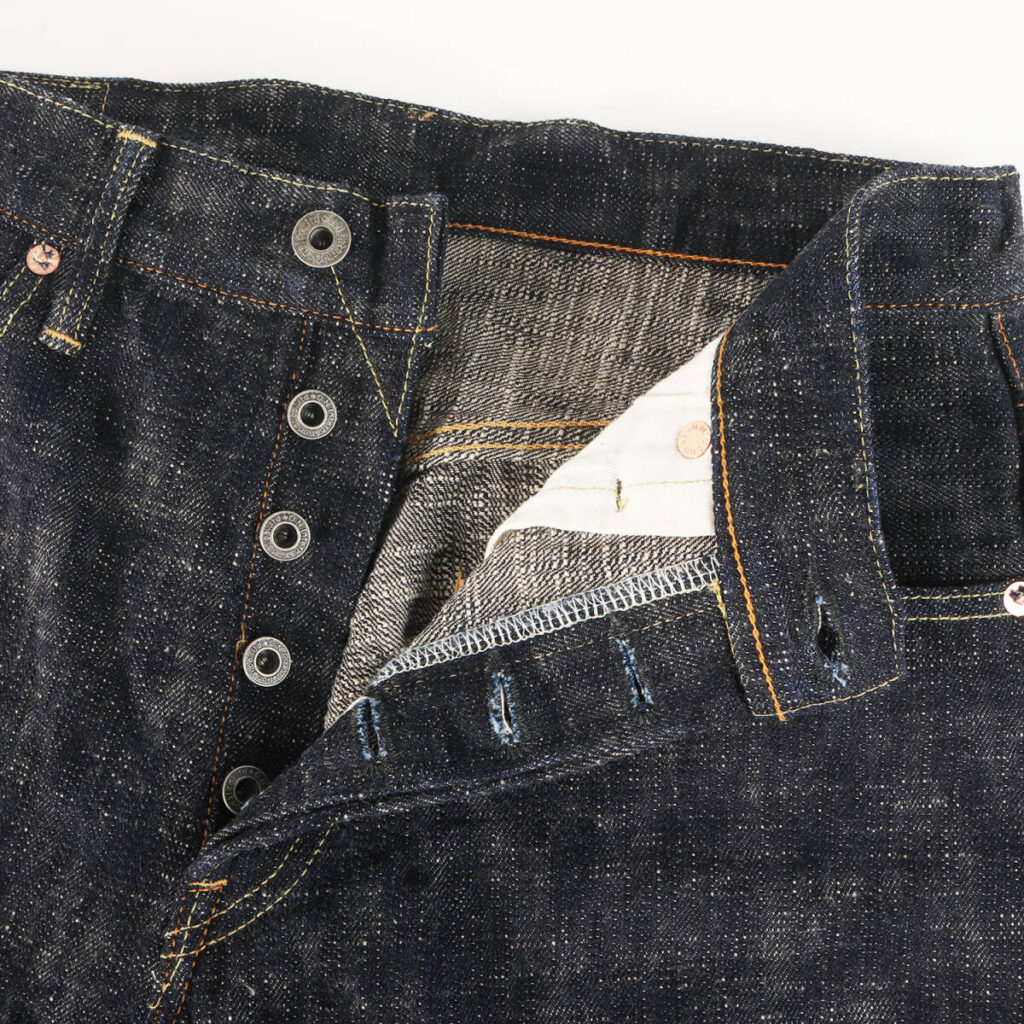
Japanese denim rewards a little homework. Once you know the major brands — the Kojima originators, the Osaka Five, the heavyweight and texture-focused specialists — and you have weighed up weight, fit, fade, raw versus washed, and budget, choosing the right pair stops feeling like a gamble and starts feeling like a decision you can stand behind.
The premium makes sense once you see what goes into the cloth, and the only real barrier left is getting a pair into your hands. Living outside Japan no longer means missing out: between international shipping, in-person shopping, and proxy services, even Japan-only releases are within reach. Pick the brand that matches your taste and your budget, and start growing a pair into something that is unmistakably yours.