

What Is a Reverse Holo Pokémon Card? | Explaining the Differences from Regular Holo Cards and Their Value
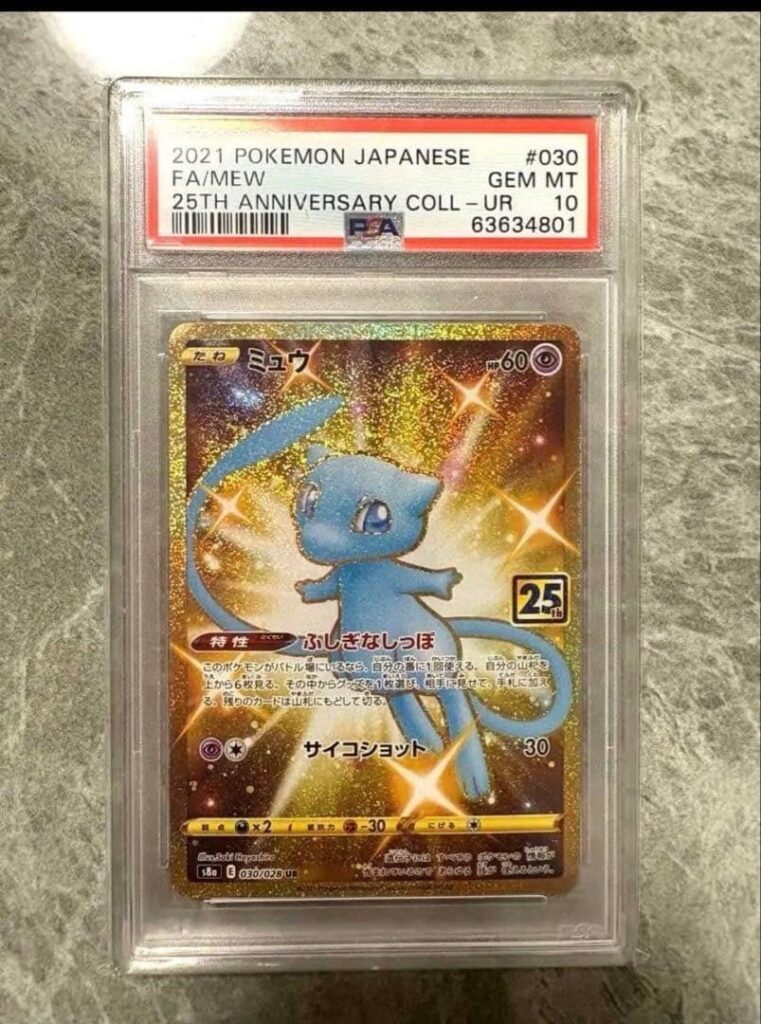
Both Holo and Reverse Holo Pokémon cards feature shining finishes on their surfaces, but the primary difference lies in where the foil pattern shines. Standard Holo cards shine within the Pokémon’s illustration box, whereas Reverse Holo cards shine on the areas outside the illustration box, such as the card name, HP, attacks, and background.
CGC explains standard Holos as “cards where the Pokémon’s artwork frame shines,” and Reverse Holos as “cards where the foil pattern is present on the card face excluding the illustration frame.”
| Finish Specification | Primary Shining Area |
| Holo | Inside the Pokémon’s illustration frame |
| Reverse Holo | Outside the illustration frame |
| Japanese Reverse Holo (Mirror) | Set-specific areas and pattern designs |
Differences Between Holo and Reverse Holo
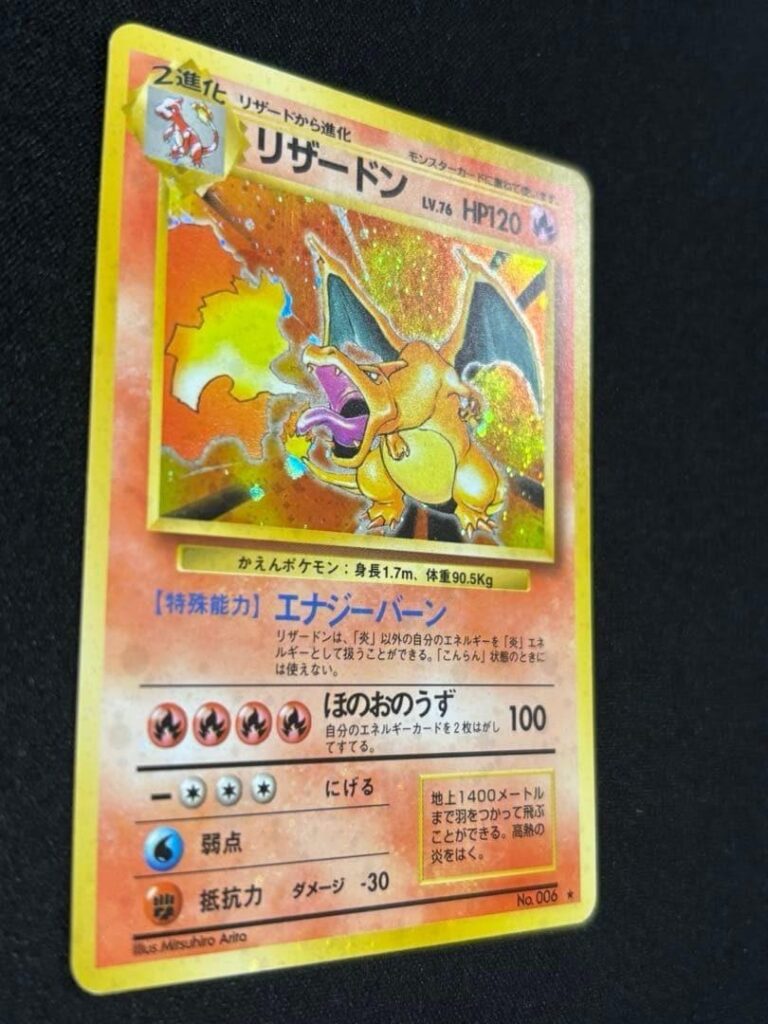
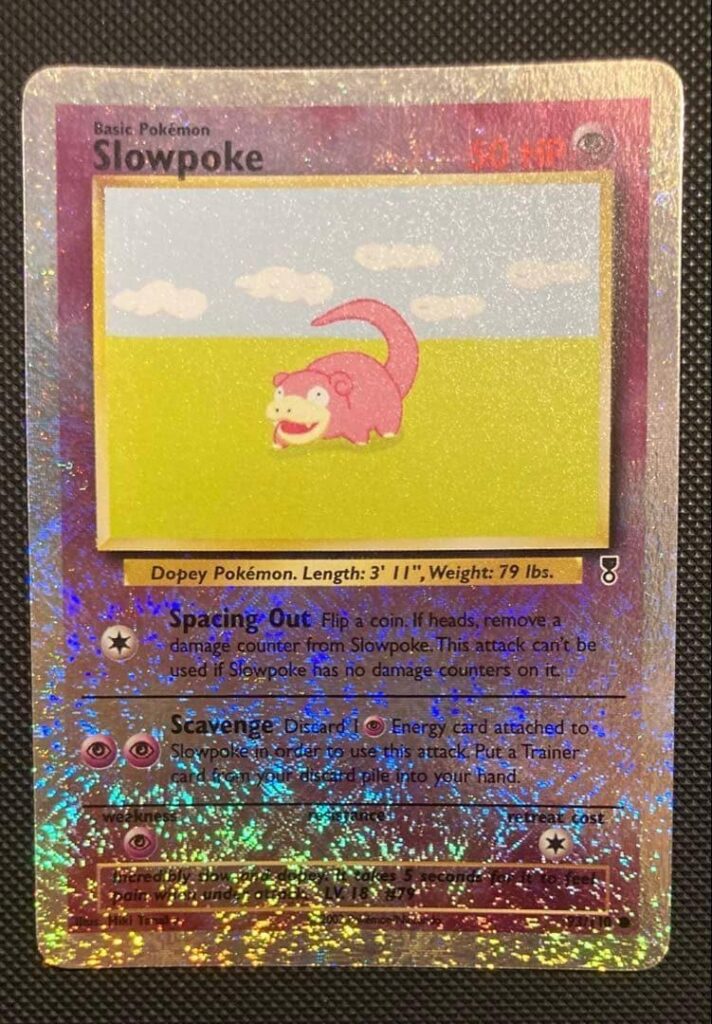
In standard Holo cards, the foil pattern is located inside the illustration frame where the Pokémon is depicted. In Reverse Holo cards, that layout is reversed. While the illustration area remains standard non-foil, the foil finish is applied to the areas outside the illustration frame containing the card name, HP, attacks, Weakness, Resistance, and retreats.
Reverse Holo is a surface finish / printing variation, not a card name. Therefore, looking at the card number alone may not allow you to distinguish a standard version from a Reverse Holo version.
Tilt the card at an angle against a light source: if only the illustration area shines, it is highly likely a standard Holo. If broad areas of the card face other than the illustration shine, it is likely a Reverse Holo.
Rarity and Foil Finish Are Separate Concepts
Rarity is the classification of cards within a set, such as Common, Uncommon, or Rare. Conversely, Holo and Reverse Holo indicate the surface finish specifications of the card. For example, a Reverse Holo version may exist even for a Common card.
Reverse Holo does not raise the rarity by one tier. It must be compared as an alternate specification of the same card. The complete picture of rarity symbol types and identification methods is explained in detail in our “Complete Guide to Pokémon Card Rarities.”
Is Reverse Holo Rare?
In modern general English sets, Reverse Holo versions may be prepared for many Commons, Uncommons, and Rares. For that reason, being a standard Reverse Holo alone does not guarantee a large premium. CGC also explains that because Reverse Holo versions exist for many cards, they generally tend to have lower scarcity and demand compared to standard Holos.
However, this is not a rule that applies to every set and era. Older Reverse Holos are prone to surface scratches across their entire face, and copies remaining in excellent condition can be scarce.
Legendary Collection
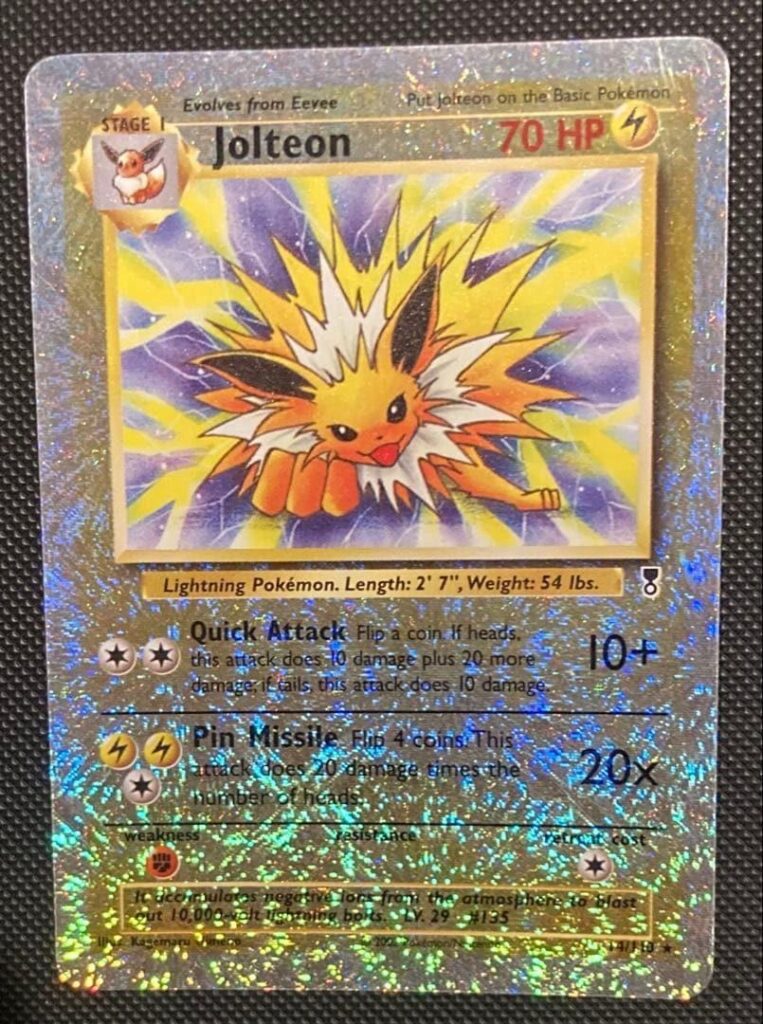
In the 2002 English Legendary Collection, Reverse Holo versions were created for all 110 card types, with 1 copy inserted per booster pack. Known for its fireworks-like foil pattern expanding across the entire card face, it remains a highly popular specification at the center of set collecting today.
The value of a Legendary Collection Reverse Holo cannot be judged with the same mindset as modern general Reverse Holos. The relationship between the set name Legendary Collection and “cards depicting Legendary Pokémon” is organized in our “Legendary Pokémon Cards Guide.”
Set-Specific Specifications in the EX Series
In certain EX Series sets like EX Delta Species, a set-name stamp is included on the Reverse Holo. In EX Delta Species, golden HP text is used on the Reverse Holo of Rare cards. PSA explains this as a feature to identify Reverse Holos from that set.
Additionally, PSA explains that in the English EX Ruby & Sapphire, for instance, 1 Reverse Holo was generally included per pack. However, because insertion methods are not identical across all eras and products, verification per set is necessary.
Conditions That Elevate the Value of Reverse Holo
The price of a Reverse Holo is determined by the overall conditions of the card, not just the surface finish.
- Pokémon Popularity: For Pokémon with high collector popularity like Pikachu or Charizard, the demand for Reverse Holo versions also tends to rise.
- Condition and Grading: Because Reverse Holos shine across a broad area outside the illustration, scuffs and line scratches stand out easily. Prices of graded cards cannot be directly applied to raw (ungraded) cards.
Differences Between Japanese “Mirror” and Reverse Holo
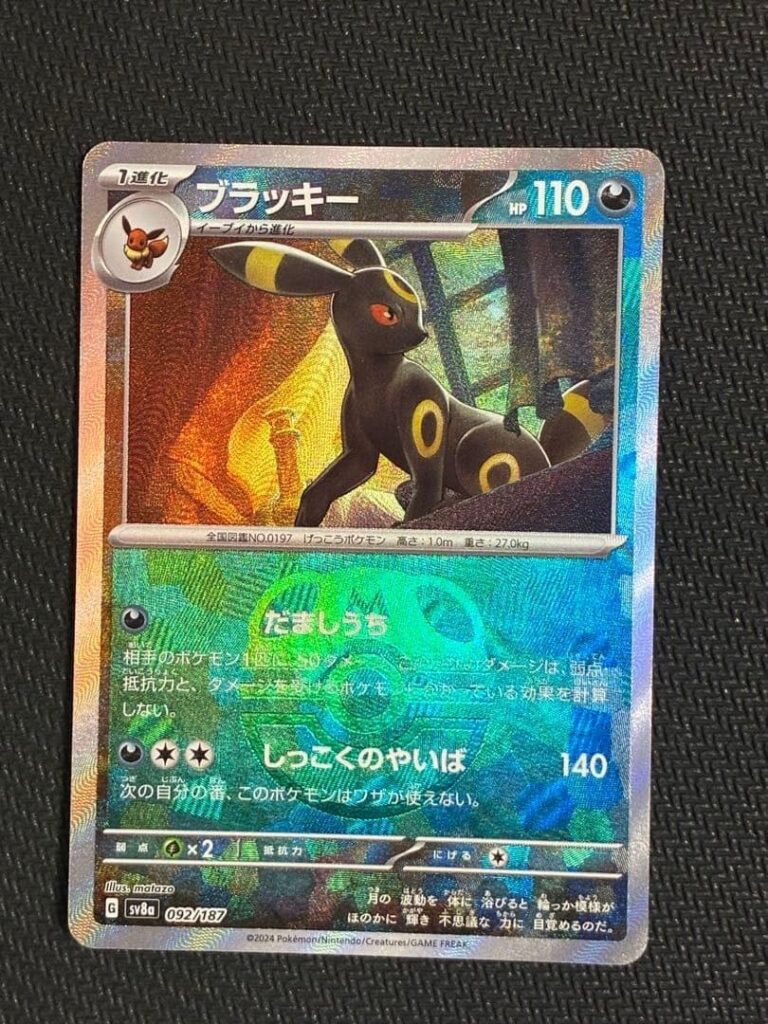
In Japanese Pokémon cards, shining finishes distinct from regular versions are sometimes referred to as “Mirror Finish” or “Mirror Cards.” Official product pages also introduce products containing “Gorgeous Mirror Finishes” alongside standard versions.
However, treating Japanese “Mirror” and English Reverse Holo as complete synonyms is risky. Japanese Mirror cards possess different patterns and finishes depending on the set.
Poké Ball Mirror and Master Ball Mirror
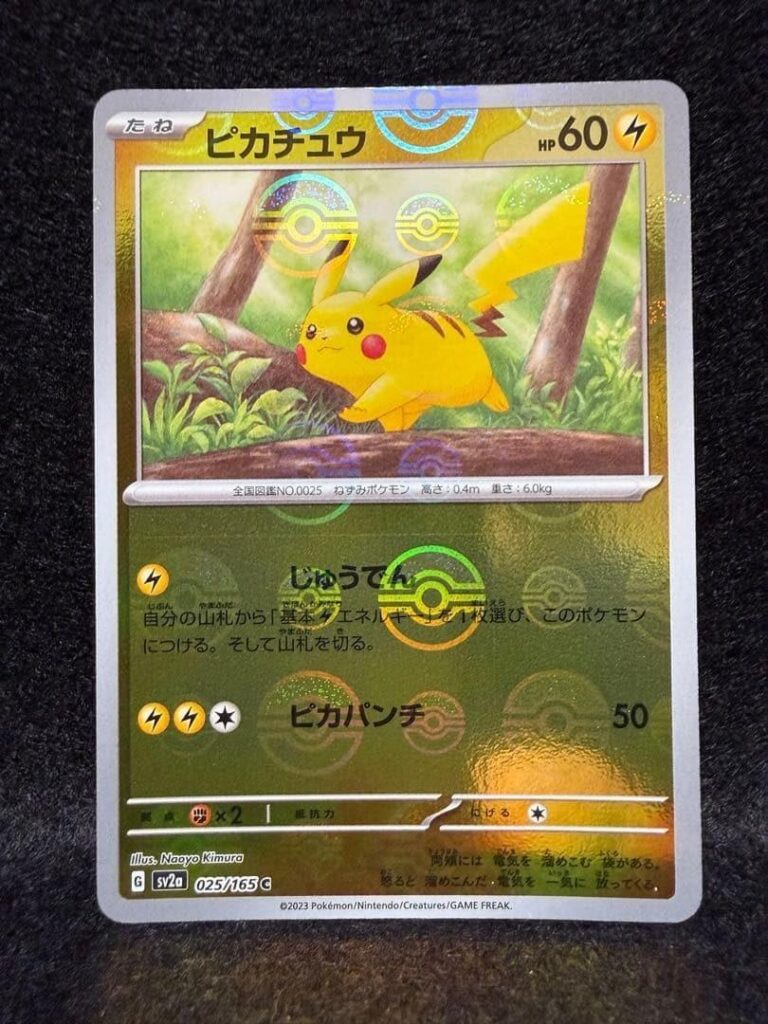
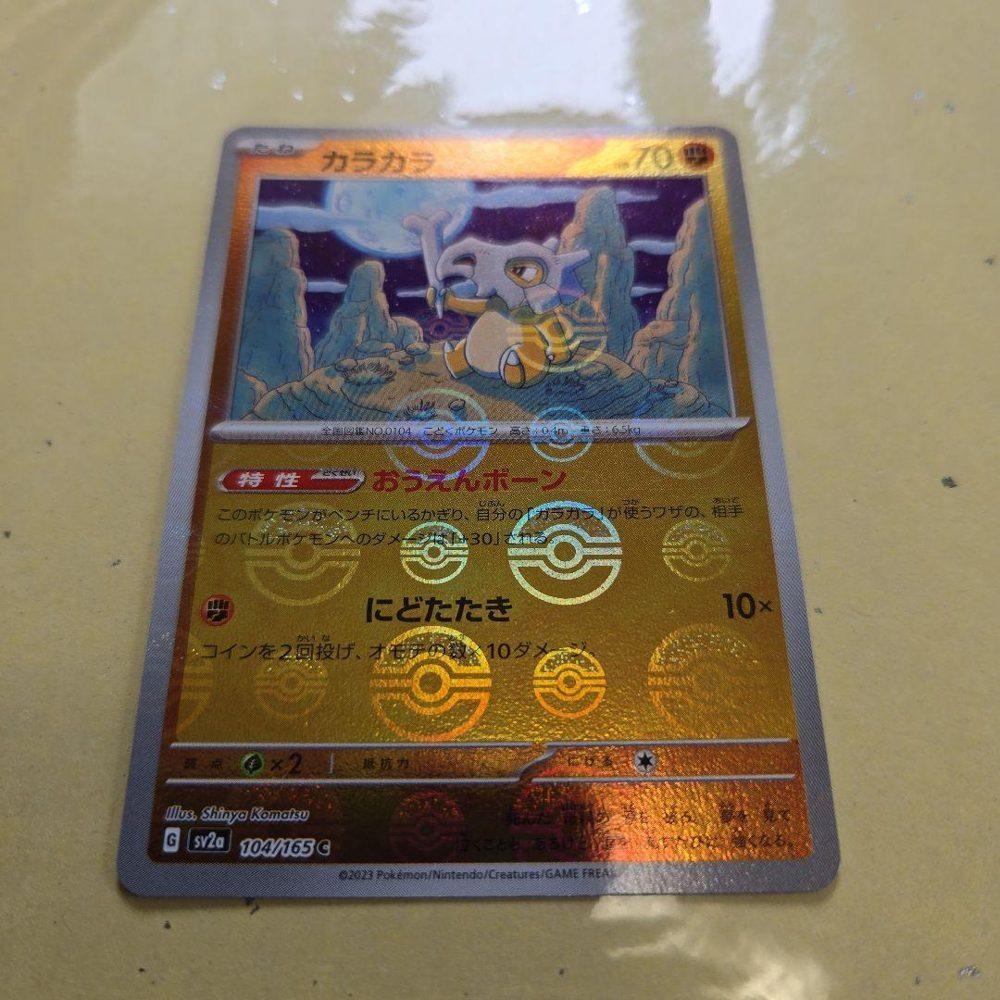
In Pokémon Card 151, in addition to standard cards, a Mirror specification featuring a special Poké Ball pattern finish was included. Official product pages also explain it as a “special finish with a Poké Ball pattern.”
In the Japanese Pokémon Card 151, there is also a Reverse Holo with a Master Ball pattern, which collectors distinguish from the Poké Ball Mirror. CGC separates Poké Ball Reverse Holo and Master Ball Reverse Holo as distinct grading classifications for this set. Even with the same card name, the standard version, Poké Ball Mirror, and Master Ball Mirror are different specifications, so verify the ball pattern on the card face using photos.
Energy and Set-Specific Mirrors
In TAG TEAM GX Tag All-Stars, Mirror specifications for Basic Energies were officially introduced alongside Pokémon. In other words, in the Japanese version, the word “Mirror” alone cannot specify the exact finish content.
Key Points When Purchasing
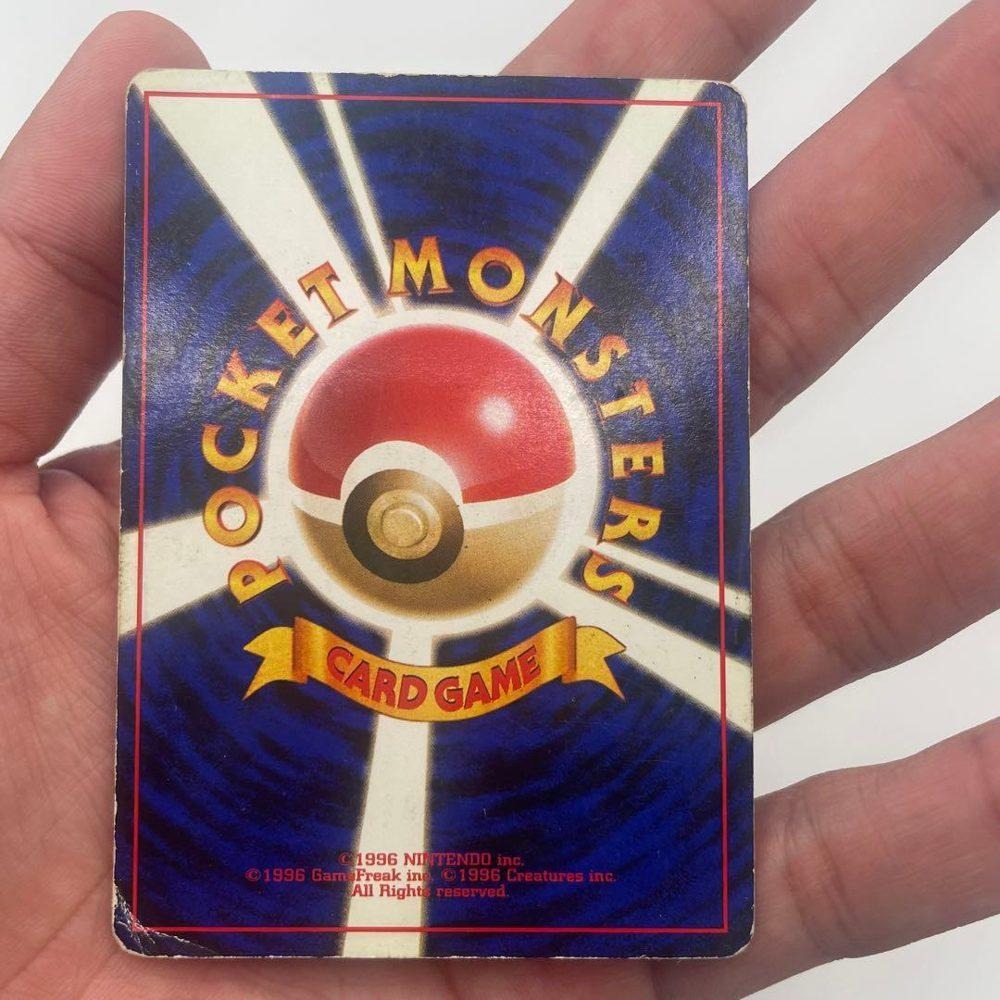
When purchasing Reverse Holo or Mirror cards, line up and compare the card name, card number, set name, language, finish classification, condition, and recent completed transaction prices. In Japanese listings, notations such as Holo, Reverse, Mirror, Kira, and Parallel are mixed, and sellers do not always use precise specification names. Prioritize actual photos and set information over the listing title.
For methods to identify “edition” differences like First Edition, Shadowless, and 1ED, refer to our guide on “How to Identify First Edition Pokémon Cards.”
Search Terms When Looking for Reverse Holo / Mirror Cards in Japan
In the Japanese market, separate search terms for English Reverse Holos and Japanese Mirror specifications:
- To search for English Reverse Holo: Card Name + Reverse Holo, Set Name + Reverse Holo
- To search for Japanese Mirror: Card Name + ミラー (Mirror)
- To search for Poké Ball pattern: Card Name + モンスターボールミラー (Poké Ball Mirror)
- To search for Master Ball pattern: Card Name + マスターボールミラー (Master Ball Mirror)
The word “ミラー” (Mirror) alone cannot pinpoint the exact finish. Confirm the card number, set name, ball pattern, or foil pattern through photos to avoid confusing prices with standard versions.
On Neokyo, you can search the Japanese market by separating standard versions, Mirror, Poké Ball Mirror, and Master Ball Mirror.
Frequently Asked Questions
Where do Reverse Holo cards shine?
Generally, the card face excluding the Pokémon’s illustration frame shines. However, there are also set-specific finishes.
Is Reverse Holo rarer than standard Holo?
It cannot be decided uniformly. In general modern sets, Reverse Holo versions exist for many cards, so they may not command a larger premium than standard Holos. On the other hand, in older special specifications like Legendary Collection or the EX Series, there are cases where Reverse Holos are evaluated much higher.
Is the Japanese Mirror card the same as Reverse Holo?
While used in similar contexts, they are not complete synonyms. Japanese versions possess set-specific Mirror specifications such as Poké Ball, Master Ball, or Energy foil patterns.
When identifying a Reverse Holo, the single point that “it is shining” is insufficient. Only by verifying where it shines, which set the card belongs to, and if it is a Japanese version, which Mirror pattern it possesses, can you understand the correct specification and appropriate comparison targets.