

Complete Guide to Legendary Pokémon Cards | Explaining Types, Value, and Collecting Methods
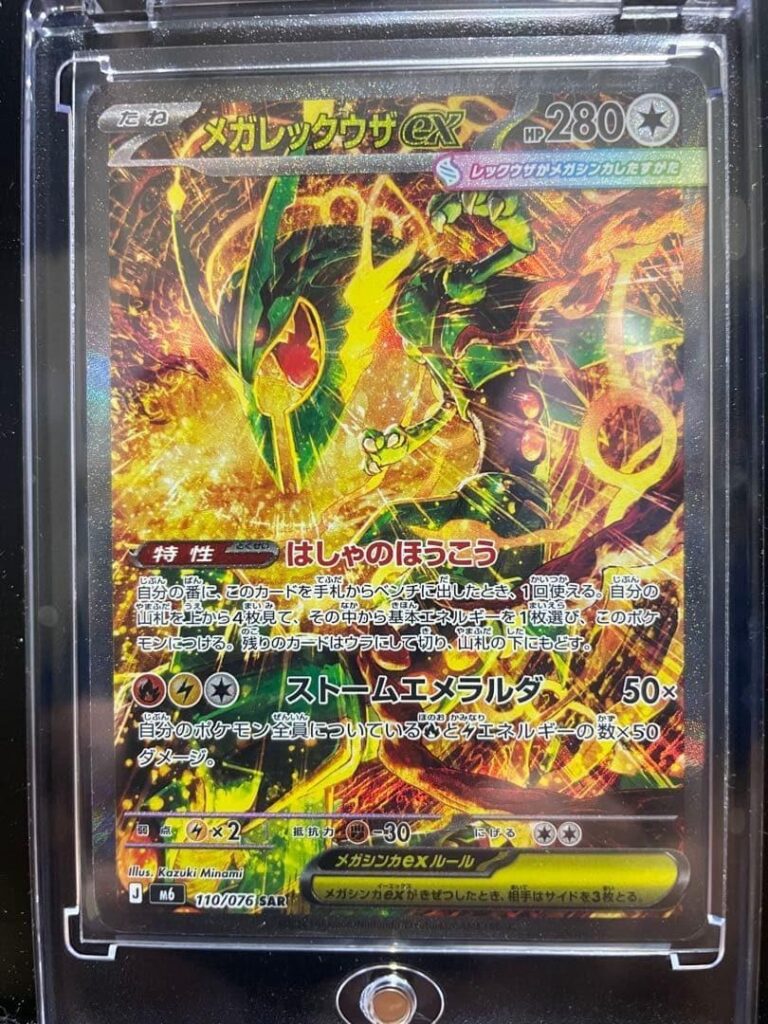
The phrase “Legendary Pokémon Cards” does not refer to a single meaning. Generally, it refers to cards depicting Legendary Pokémon, but in the Pokémon Trading Card Game, there are special cards that form a 2-card set called “Pokémon LEGEND,” and there are also examples where “Legendary” or “Legends” is included in product or set names, such as Legendary Collection or Call of Legends.
The first distinction to make is that “Legendary” is not a card rarity name. Even for cards of Lugia or Rayquaza, their scarcity and value differ depending on the era, set, surface finish, and distribution method. A card’s rarity is confirmed through separate classifications such as Rare, Double Rare, or Special Illustration Rare. Rarity symbol types and identification methods are explained in detail in our “Complete Guide to Pokémon Card Rarities.”
The 3 Meanings That “Legendary Pokémon Cards” Refers To
Cards Depicting Legendary Pokémon
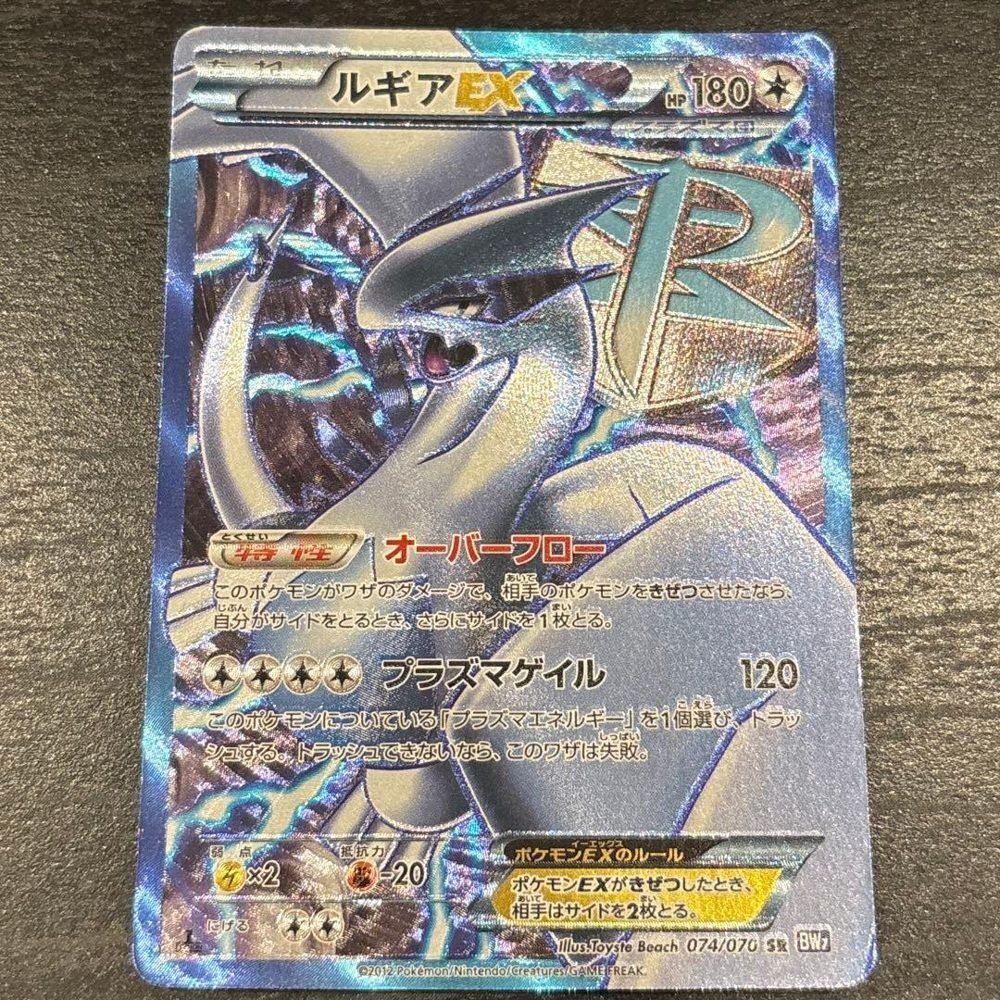
This is the most common meaning. It collectively refers to cards featuring Pokémon treated as Legendary Pokémon in the games, such as Mewtwo, Lugia, Ho-Oh, Rayquaza, and Arceus.
Pokémon LEGEND
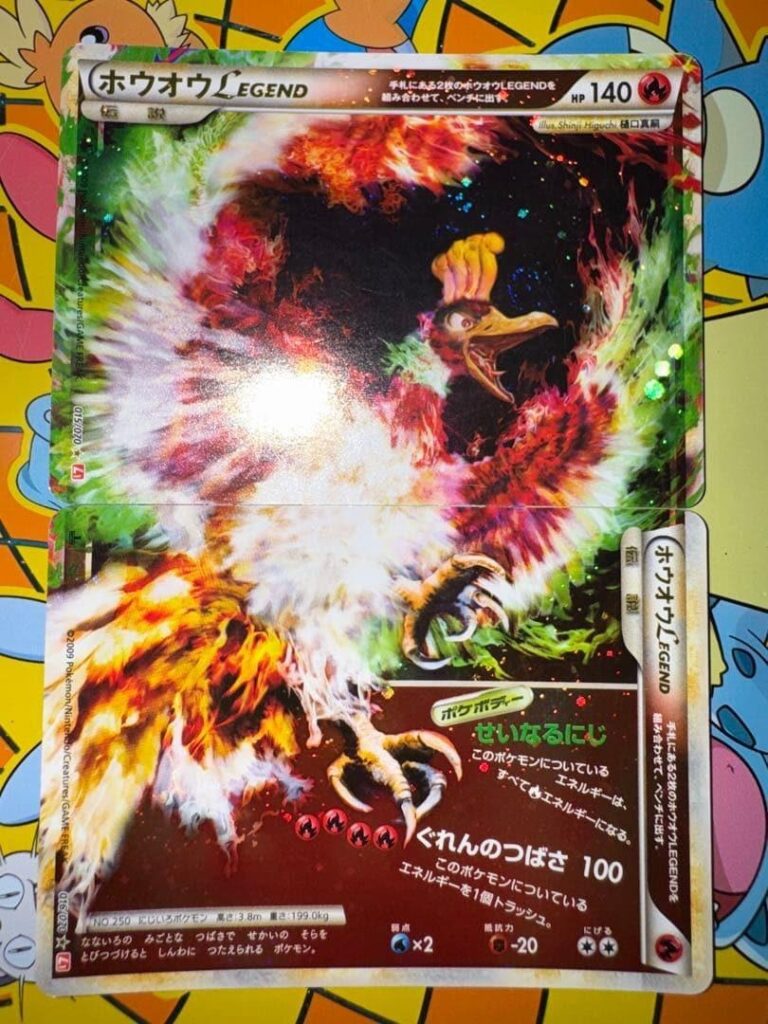
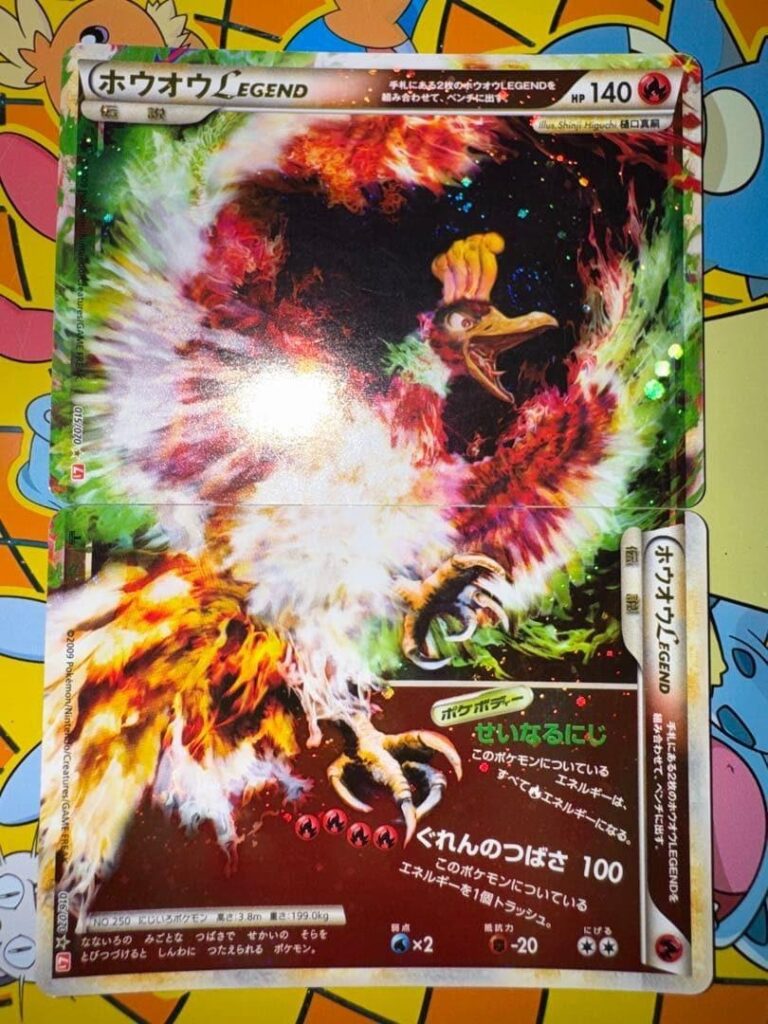
“Pokémon LEGEND” does not mean cards depicting Legendary Pokémon in general, but is the name of cards with a special rule. They appeared in the Japanese LEGEND Series and during the English HeartGold & SoulSilver era.
By combining top and bottom halves, they represent one large Pokémon. For example, Lugia LEGEND possesses separate card numbers: top as 029/070 and bottom as 030/070.
Under official rules, in the deck or hand, the top and bottom are treated as 1 card each, and after being played onto the bench/active spot, they are treated as 1 single “Legendary Pokémon” as a 2-card pair. You cannot put only one half into play on its own.
In addition to those depicting 1 Pokémon across top and bottom halves like Lugia LEGEND or Ho-Oh LEGEND, there are also cards depicting a pair of Pokémon as a set, such as Suicune & Entei LEGEND or Kyogre & Groudon LEGEND.
When purchasing, confirm whether both top and bottom are present, whether they form the correct combination with consecutive card numbers, whether they are in the same language and set, and ensure you do not mistake the price of a single half for the price of a complete pair.
Product and Set Names Like Legendary Collection
Even if “Legendary” is included, it does not necessarily mean a product containing only Legendary Pokémon.
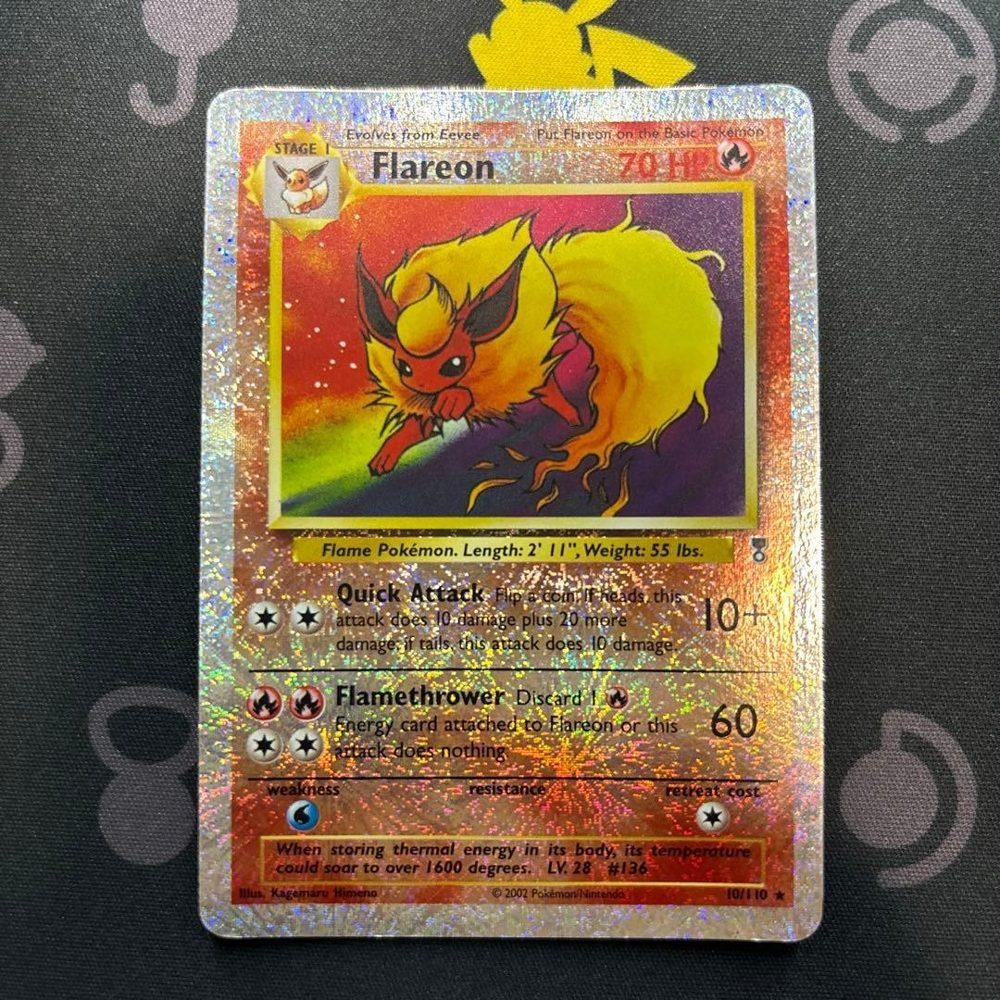
The 2002 English Legendary Collection is a set reconstructed mainly around cards from Base Set, Jungle, Fossil, Team Rocket, and others. While the set name is Legendary Collection, it does not mean all included cards are Legendary Pokémon.
Call of Legends is an English expansion set released in 2011 containing over 100 card types, which official sources introduce as a product containing many Legendary Pokémon.
In addition, in Japan, a concept pack called “Legendary Shine Collection” (CP2 / 伝説キラコレクション) was released. In English-language reference materials like CGC, this product is noted as Legendary Shine Collection.
Legendary and Mythical Pokémon Are Separate Classifications
In official Pokémon terminology, “Legendary Pokémon” and “Mythical Pokémon” are treated as distinct classifications.
For Mew, a Mythical Pokémon, both regular commercial cards and limited promos exist; for Lugia, a Legendary Pokémon, relatively accessible cards and highly valued vintage cards both exist. “Legendary” and “Mythical” are classifications of the Pokémon themselves, not card rarity symbols.
Popular Legendary Pokémon and Representative Card Types
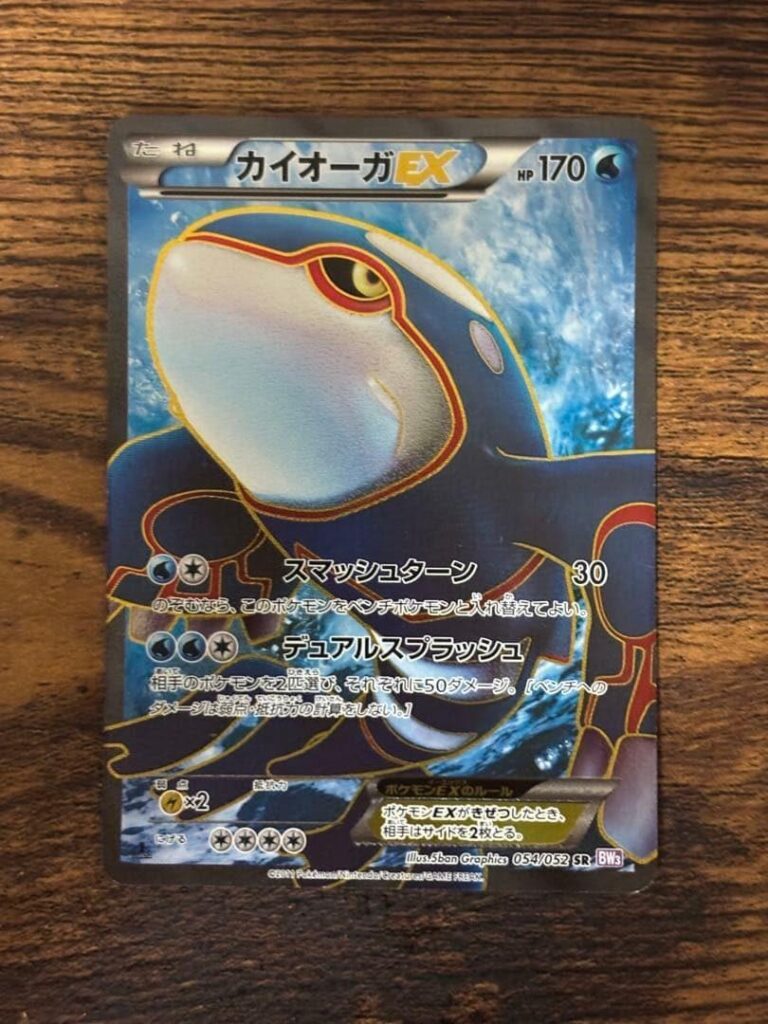
When collecting Legendary Pokémon cards, it is not necessary to cover every single generation. It is more realistic to first decide on a favorite Pokémon, era, or card type.
| Pokémon | Representative Card Types | Key Points When Collecting |
| Mewtwo | Vintage Holo, Promo, EX, GX, VSTAR | Do not confuse with Mew. Numerous language and promo variations exist |
| Lugia | Neo Era Holo, LEGEND, EX, V | Price ranges differ vastly between vintage cards, LEGEND, and modern cards |
| Ho-Oh | Neo Era Holo, LEGEND, EX, GX | Check the foil pattern and set |
| Rayquaza | Gold Star, EX, GX, VMAX | Many high-rarity cards share the name; checking card numbers is mandatory |
| Groudon | ex, EX, LEGEND, Promo | Paired cards with Kyogre also exist |
| Kyogre | ex, EX, LEGEND, Promo | Distinguish regular versions from limited editions |
| Giratina | LV.X, EX, V, VSTAR | Many alternate illustrations and high-rarity specifications exist |
| Arceus | LV.X, Promo, V, VSTAR | Distinguish type-specific cards from regular cards |
This list is not a ranking of “the most expensive cards,” but a doorway to grasp which Pokémon have which card types. If you wish to confirm version differences like First Edition or Shadowless on vintage cards, also refer to “How to Identify First Edition Pokémon Cards.”
Factors That Determine the Value of Legendary Pokémon Cards
A card does not become high-value simply because a Legendary Pokémon is depicted on it.
- Pokémon Popularity: Pokémon like Lugia, Rayquaza, Mewtwo, and Giratina can see high collector demand. However, even for popular Pokémon, cards with high general circulating volume are not necessarily rare.
- Era and Set: Circulating volume and state of preservation differ according to the era in which the card was made.
- Card Type and Finish: For the same Pokémon, demand and price differ between regular versions and limited promos, Holo and Reverse Holo, or standard art and special art. For differences in finish specifications, also refer to “Differences Between Reverse Holo and Regular Holo.”
- Distribution Method: Cards that were not sold commercially, such as tournament prizes, purchase bonuses, movie promos, or campaign giveaways, may have limited supply. However, being a promo card does not guarantee low numbers. Rare tournament and contest cards are explained in detail in “10 of the Rarest Pokémon Cards in the World.”
- Condition and Grading Tier: Scratches, whitening, centering, and grading tiers all affect prices. Do not apply graded card prices directly to raw (ungraded) cards.
- Language and Regional Exclusivity: Circulating volume and demand differ between Japanese, English, French, and other language versions.
How to Collect Legendary Pokémon Cards
Because Legendary Pokémon span many species and vast numbers of cards, aiming for a complete collection right from the start makes the scope too broad.
- Focus on 1 Pokémon: Decide on one favorite Pokémon to collect, such as Lugia, Rayquaza, or Giratina.
- Collect in Pairs or Groups: Combine paired Pokémon from games or lore, such as Ho-Oh and Lugia, Kyogre and Groudon, or Dialga and Palkia.
- Unify Card Types: Standardize the specification, such as collecting only Gold Stars, only LEGENDs, or only SARs.
- Collect Japanese Versions Only: Focus on cards limited to Japan promos, Old Back (Kyu-back), or domestic products.
- Set a Budget: Rather than chasing high-value cards alone, set a budget including ungraded (raw) items or lower-grade certified items.
Search Terms When Looking for Legendary Pokémon Cards in Japan
Because searching for “伝説のポケモンカード” (Legendary Pokémon Card) makes the scope too broad, combine the Pokémon name with the card type:
- To search for vintage cards: ルギア 旧裏 (Lugia Old Back), ミュウツー 旧裏 (Mewtwo Old Back)
- To search for high rarities: レックウザ SAR (Rayquaza SAR), ギラティナ VSTAR (Giratina VSTAR)
- To search for promos: ミュウツー プロモ (Mewtwo Promo)
- To search for Pokémon LEGEND: ルギア LEGEND 上 (Lugia LEGEND Top), ルギア LEGEND 下 (Lugia LEGEND Bottom), カイオーガ&グラードン LEGEND (Kyogre & Groudon LEGEND)
Confirm the card number, set, language, and rarity. For Pokémon LEGEND, because there are listings for “Top Only” or “Bottom Only,” verifying whether it is a complete top-and-bottom set is mandatory.
On Neokyo, you can search items across Japanese marketplaces and shops by combining Pokémon names, card numbers, and card types.
Frequently Asked Questions
Are all Legendary Pokémon cards rare?
Not all are high rarity. “Legendary” is a classification of the Pokémon itself, and card rarities are established separately.
What is Pokémon LEGEND?
It is a special card played onto the bench/active spot as 1 Pokémon by combining top and bottom halves. In the hand or deck, top and bottom are treated as separate cards, and on the field, they are treated as 1 Pokémon as a 2-card set.
What is Legendary Collection?
It is the name of an English set released in 2002. Reconstructed mainly around cards from Base Set, Jungle, Fossil, Team Rocket, and others, it is also known for its characteristic Reverse Foil. It is not a category name collecting only Legendary Pokémon.
The joy of collecting Legendary Pokémon cards does not lie solely in lining up expensive cards. It lies in tracing the history of how the same Pokémon has been depicted across eras with different designs, rules, and card types.