

What Are Full Art Pokémon Cards? | Meaning, History, How to Identify, and Reasons for Popularity
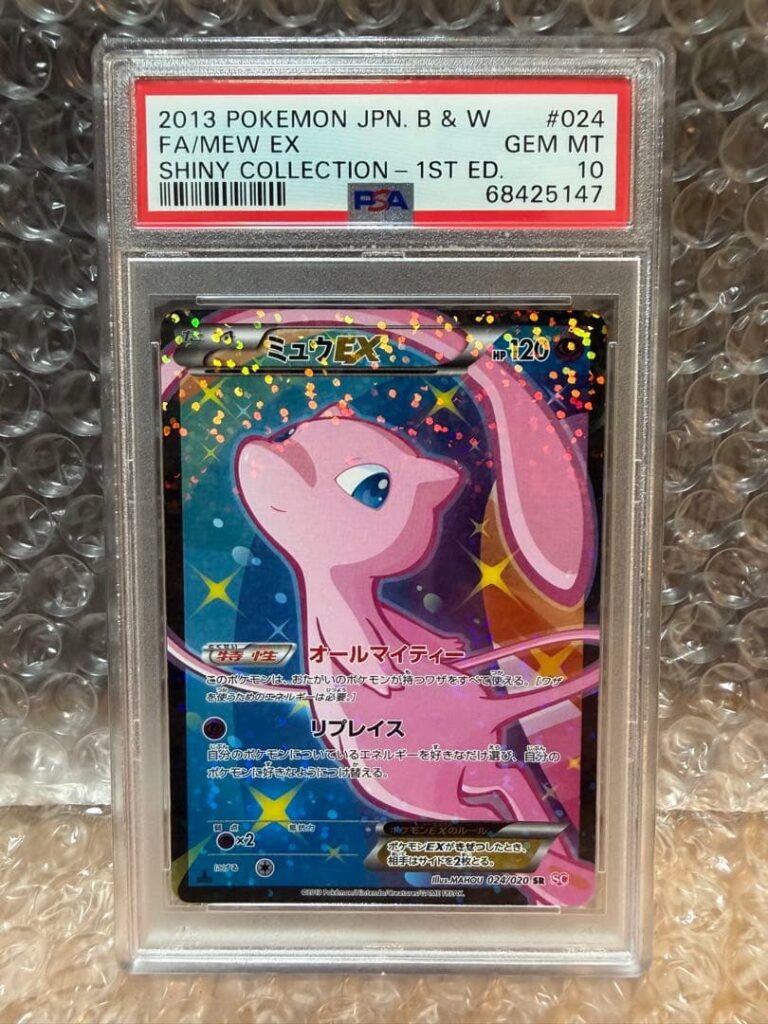
Full Art Pokémon cards are highly popular due to their larger illustration displays compared to regular versions, offering exceptional collectibility. In this article, we summarize the basics of Full Art cards, the differences from Alternate Art (Alt Art), representative examples, their positioning within the rarity structure, and key points when looking at the Japanese market.
What is a Full Art Pokémon Card?
Full Art refers to a card specification where the illustration expands across the entire card. The visual presence of the artwork is much stronger than that of regular versions, featuring designs that bring the characters and their worldviews to the absolute forefront.
In the Pokémon TCG, cards with this presentation easily attract high popularity, and they tend to become a definitive “choice based on appearance” among collectors.
When Did Full Art Spread?
While the concept of Full Art-style cards is close to early special specification cards and promos, it widely established itself as a clear, high-rarity slot aimed at collectors from the Black & White era onward. Subsequently, as eras progressed through XY, Sun & Moon, and Scarlet & Violet, Full Art became more than just a luxurious version—it turned into the core highlight of the sets.
In recent years, texturing and background presentation have also advanced, leading to an increase in cards that place high value on storytelling and situational expressions rather than a simple full-surface illustration.
How Do Full Art and Alt Art Differ?
“Full Art” refers generally to all cards that utilize the entire card surface to display the illustration.
“Alt Art” (Alternate Art) refers specifically to a special version within that category, drawn with a different composition, different scene, or different artistic direction for the exact same card.
In short, it is easiest to understand if you consider Alt Art as a type of Full Art.
Since the usage of terms can fluctuate on actual sales pages and listing titles, when searching, it is most accurate to confirm via the card number, set name, and listed photos together rather than relying solely on the terminology.
Rarity List and Where Full Art Frequently Appears
| Rarity | General Positioning | Relationship with Full Art |
| Common | Foundational regular card | Most often not a Full Art |
| Uncommon | A regular rare slightly less common than C | Most often not a Full Art |
| Rare | Standard rare slot | Most often not a Full Art |
| Promo | Special slots like distributions/commemorations | Contains special specifications exceptionally |
| Double Rare | Standard high-rarity slot like ex | Most often not a Full Art |
| Ultra Rare | High-rarity slot | The segment where Full Art is most commonly seen |
| Illustration Rare | Illustration slot with strong storytelling | Can be close to a Full Art-style presentation |
| Special Illustration Rare | Slot prioritizing more luxurious scenes/presentations | Easily discussed within the Full Art context |
| Hyper Rare | Special textured slot of the highest class | Turned into the main highlight of the set |
While the phrasing for Full Art fluctuates slightly depending on the era, in terms of practical searching, it is easiest to look for them centered around the Ultra Rare tier.
Representative Card Examples
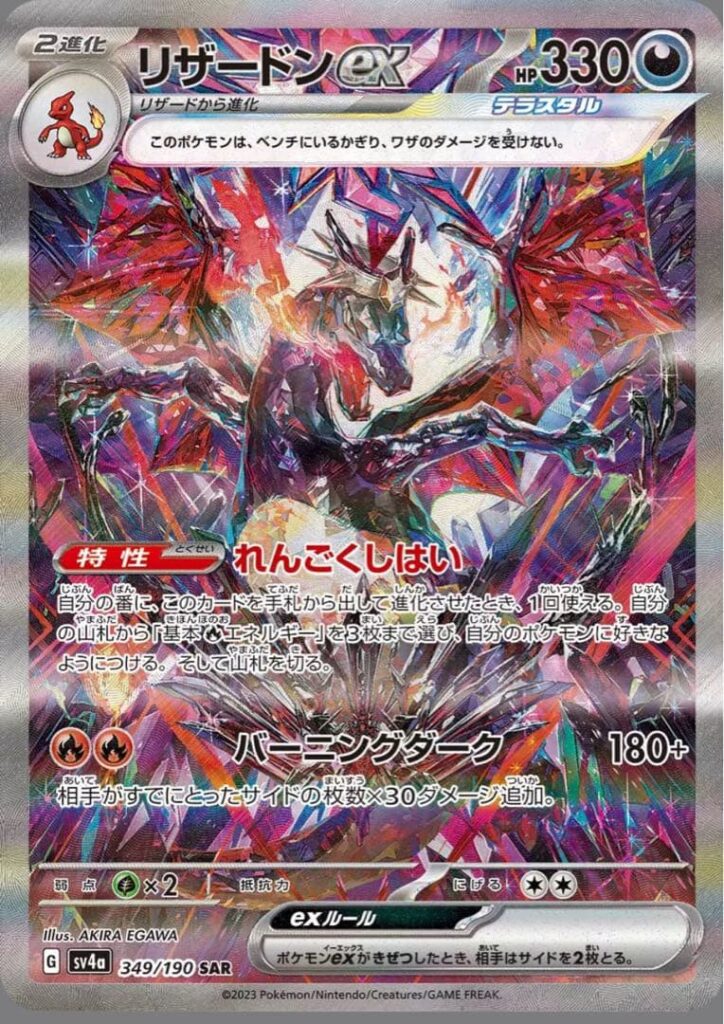
Charizard ex (Special Illustration Rare from Obsidian Flames)
A card symbolizing the flashy, high-rarity slots of modern Pokémon cards, where its highly visible composition and character popularity are major strengths.
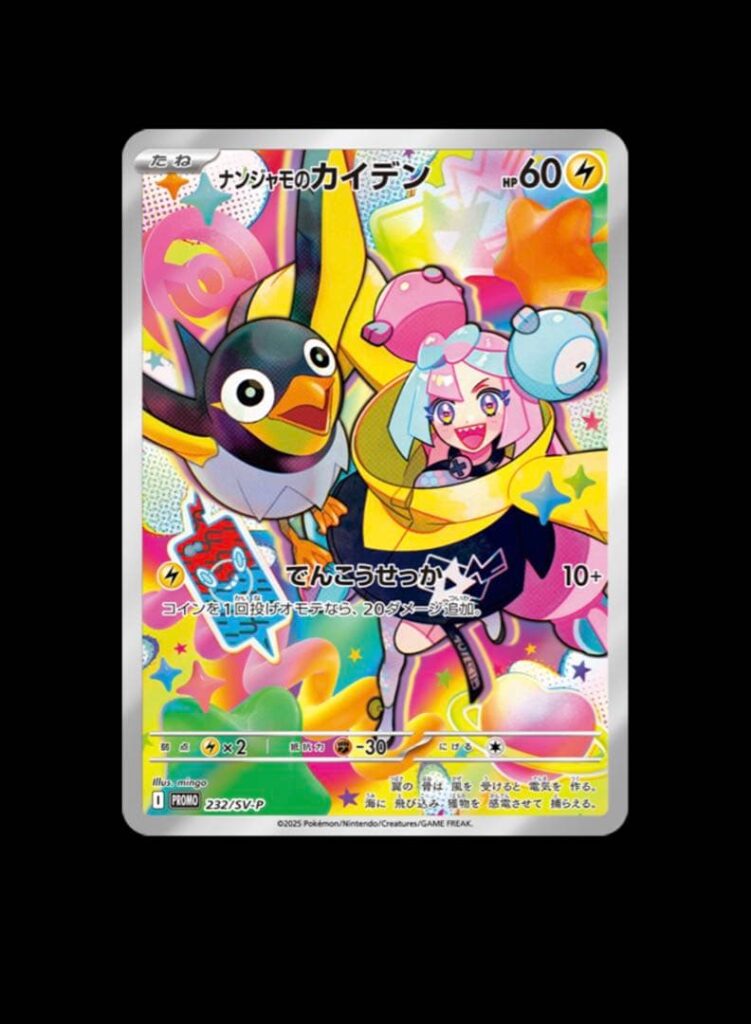
Iono (Ultra Rare Supporter card from Paldea Evolved)
A representative example that cannot be omitted when discussing the popularity of Full Art-style Trainer cards. It gathered attention from both character popularity and competitive play demand.
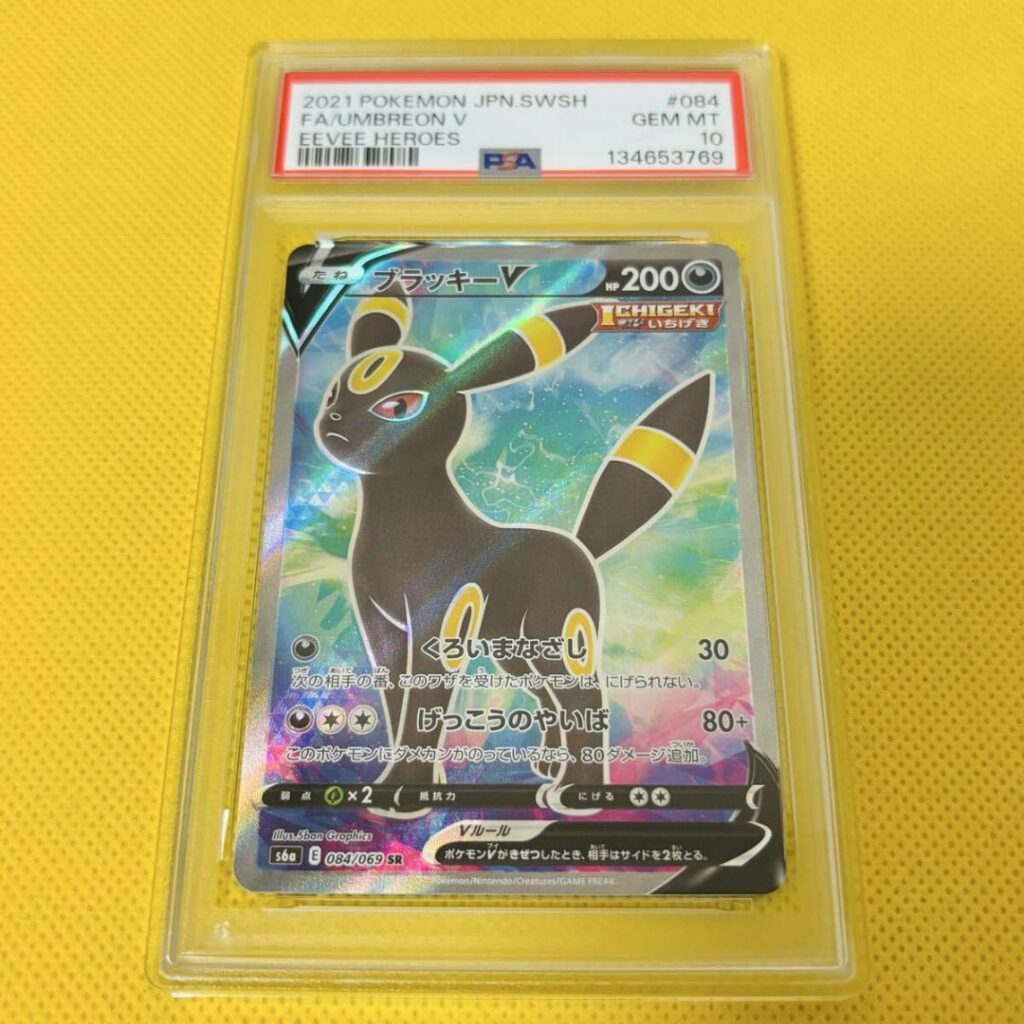
Umbreon VMAX (Special Illustration version)
An extremely well-known example that demonstrates just how much Full Art-style and Alt Art-style cards can drive collector demand.
What Drives the Value?
The value of a Full Art card is easily influenced by character popularity, set popularity, the completion level of the illustration, scarcity, preservation condition, and graded evaluation.
Even for the same character, the Full Art version offers a much stronger sense of visual satisfaction than the regular version, which concentrates collector demand on it.
Additionally, condition differences such as corner wear, white chips, surface scratches, and centering directly affect the price. Especially in the high-end tier, the difference in condition turns directly into a difference in evaluation.
Points to Verify in the Japanese Market
In the Japanese market, Full Art-style cards circulate widely through shops, flea markets, and auctions. The points you want to verify are as follows:
- Card number
- Set name
- Presence of front and back photos
- Politeness of scratch descriptions
- Whether it is a graded item or ungraded (Raw)
- Distinction between regular versions and special specification versions
Since Full Art cards have many specification differences even if they look similar, the habit of verifying via the number and image together rather than just the name is crucial.
Comparing specification differences reveals the true fun of Full Art as a category that treats the same character with distinct favoritism. Looking down to the regular version, Full Art, and Special Illustration version makes it easy to see how the collection value escalates.
If you want to look for Full Art Pokémon cards listed across Japanese shops and flea markets, using Neokyo makes it easy to search collectively.