

What Is Lolita Fashion? | Introductory Guide Covering the History, Representative Styles, and Japanese Brand Culture
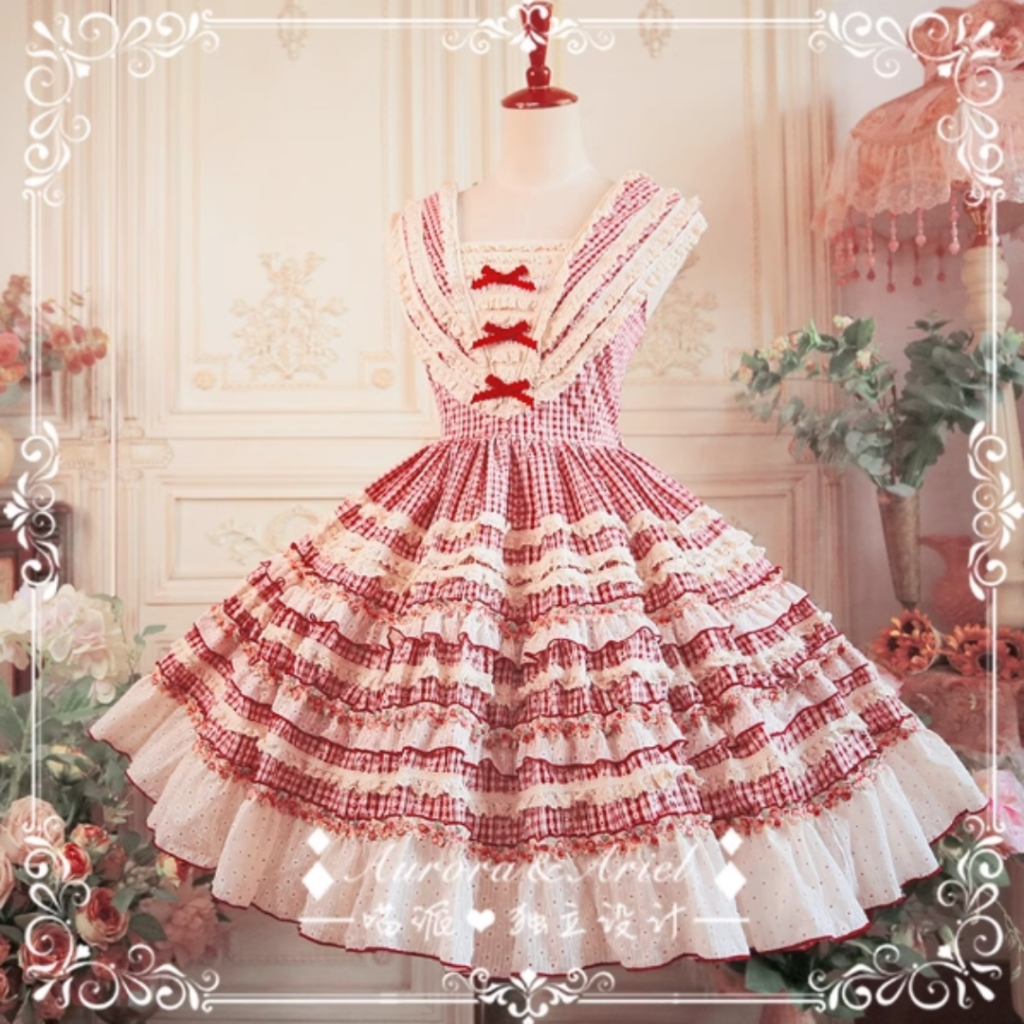
Lolita Fashion is a highly decorative fashion culture that developed in Japan. While it is sometimes introduced simply as clothing with many frills and lace, it has actually been discussed comprehensively including its silhouettes, prints, color coordination, magazine culture, and the aesthetic sense of individual brands. This article organizes and introduces the meaning of Lolita fashion, its history, representative styles, and the brand culture and used distribution that developed in Japan for beginners.
What is Lolita Fashion?
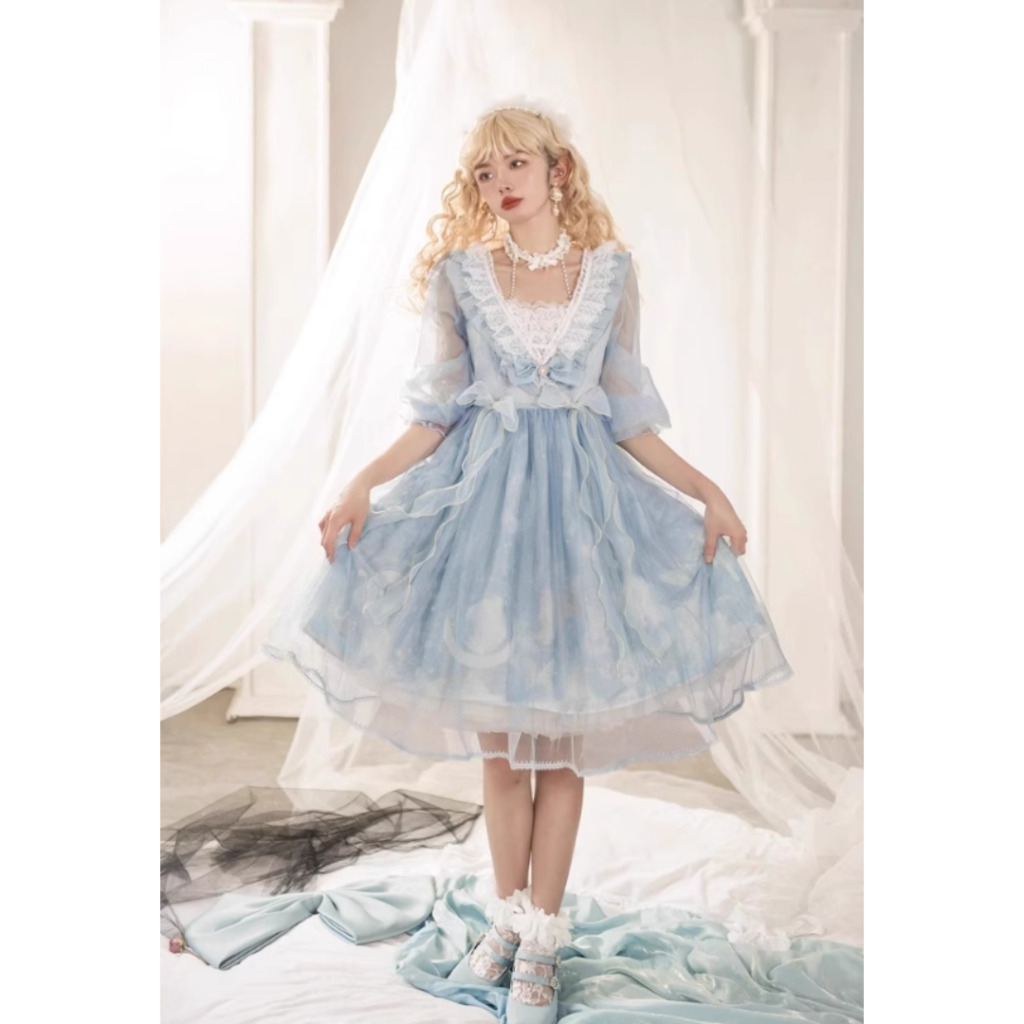
Lolita Fashion is a fashion culture that reconstructs the classical clothing images of Europe through a uniquely Japanese sensibility. Major characteristics lie in the dress silhouette conscious of the bell shape or A-line, and the overall composition including lace, frills, headdresses, ribbons, socks, and petticoats (paniers). Rather than simply being clothes with a lot of decorations, a key feature is that it creates a unified worldview encompassing the dress, hair accessories, bag, and shoes. Lolita is not a single fixed style, but contains multiple branches, such as a direction that brings out strong sweetness, a direction that displays calm elegance, and a direction that brings gothic darkness to the front. Therefore, it has a breadth that cannot be contained solely by the words “cute clothes.”
How It Was Born and Spread
Lolita Fashion is thought to have gradually taken shape within Japanese fashion magazines aimed at youth and street cultures during the late 1980s to the 1990s. Subsequently, through the accumulation of brands, magazines, shop spaces, and events, it came to be recognized as a distinct fashion culture. Entering the 1990s to the 2000s, with the establishment of brands and the development of magazine culture, Lolita became recognized as a clearer fashion genre. Through the accumulation on media such as street snaps, brand advertisements, reader submissions, coordinate features, and event photos, both the “clothing patterns” and “how to display them” came to be shared. Also, Lolita did not develop in isolation but spread while maintaining contact with Visual Kei, Gothic style, doll-like aesthetics, girls’ culture, and dōjin/handmade culture. The fact that it has been passed down including not just the clothes but the magazines, photographs, shop spaces, and the atmosphere of events constitutes the depth of this culture.
Representative Styles
Lolita fashion has several representative directions. Here, we organize the major styles whose names are frequently encountered during entry.
Sweet Lolita
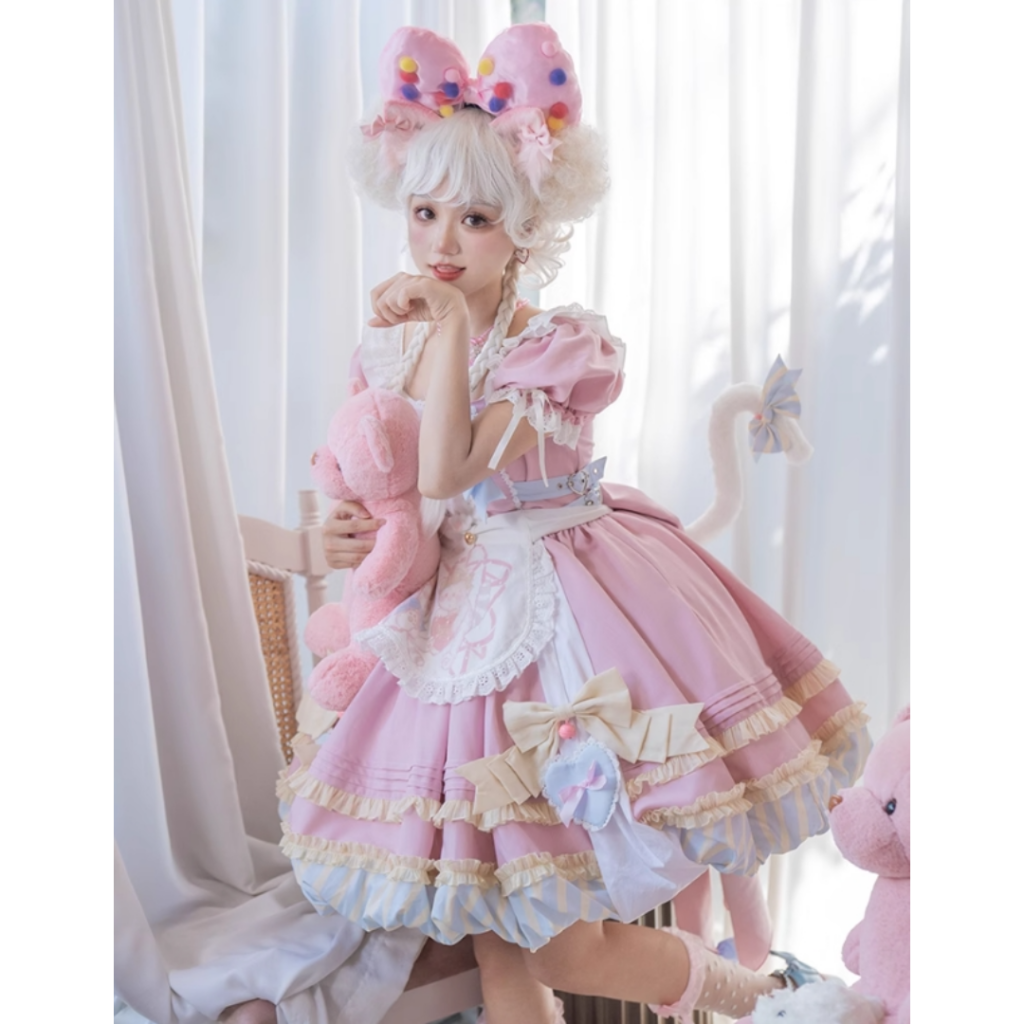
Sweet Lolita is a style that pushes sweetness particularly strongly within Lolita. Bright colors such as pastel pink, sax blue, white, and mint are common, and motifs like ribbons, strawberries, candies, rabbits, and hearts are frequently used. One-pieces and jumper skirts (JSKs) feature many frills, giving a soft and gorgeous impression as a whole. Representative items include large ribbon headdresses, printed JSKs, rounded shoes, and socks with lace. On pages and brand catalogs, the cuteness of the print and the unity of colors have been treated as crucial elements.
Classic Lolita
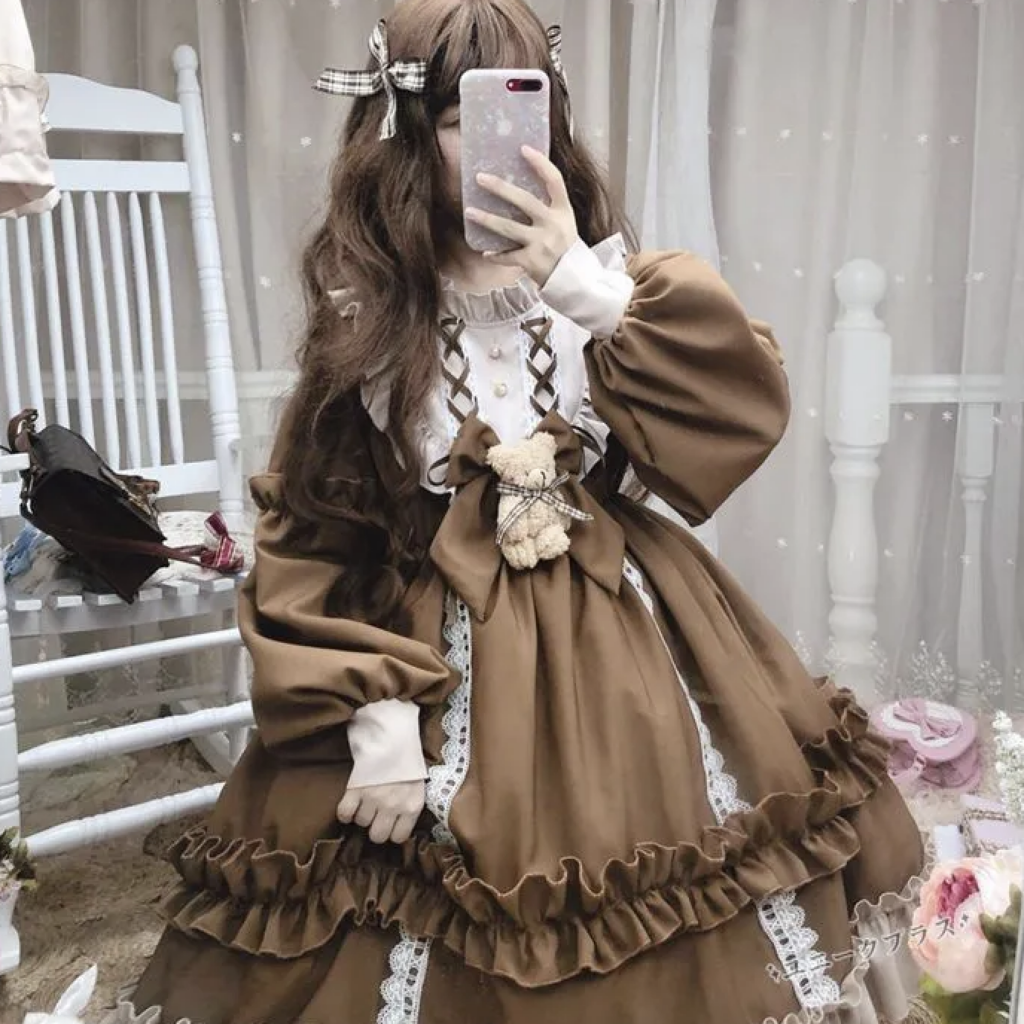
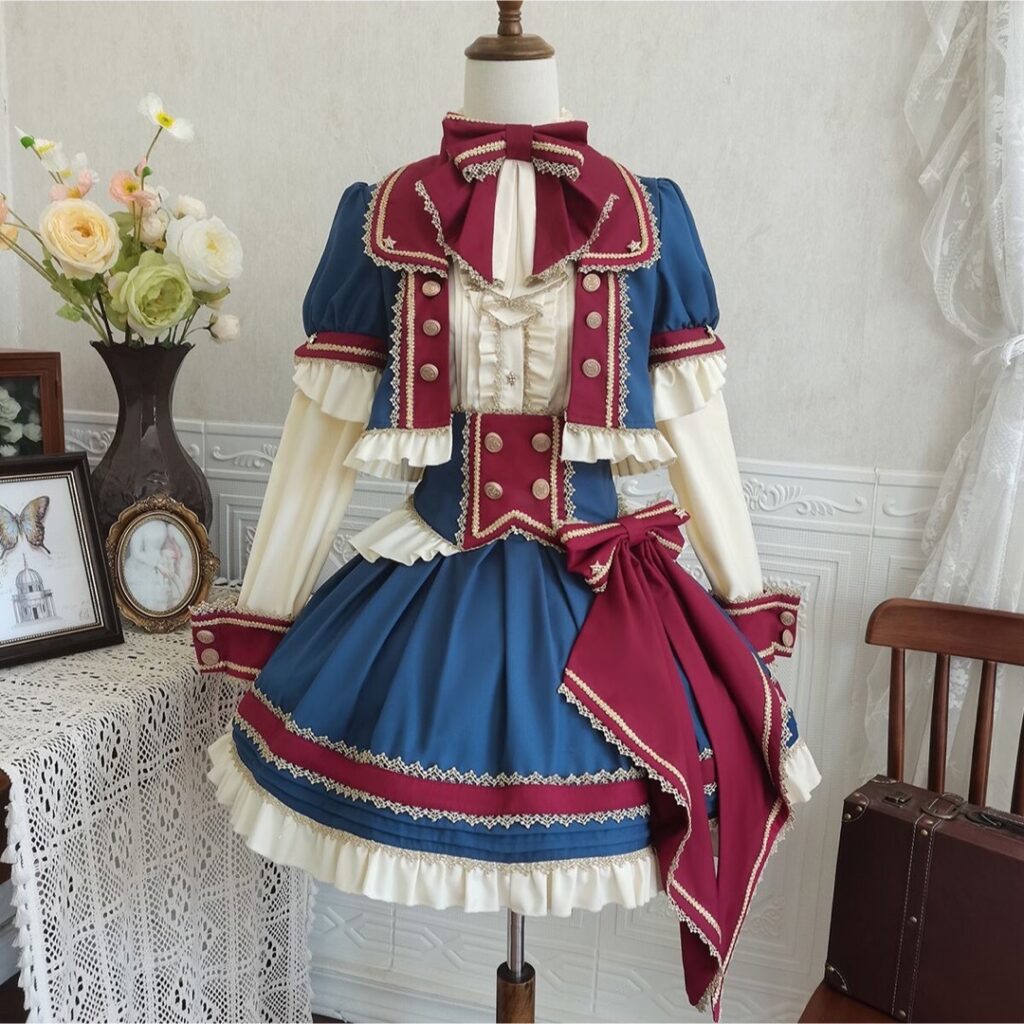
Classic Lolita is a style that brings forward a calm elegance. Colors like beige, bordeaux, deep green, navy, and brown are prone to be used, and floral patterns, damask, and antique-style decorations are frequently seen. Although it has fewer decorations than Sweet Lolita, the neckline, sleeves, and skirt shapes possess a proper sense of structure. Accessories also center on elegant directions like small ribbons, brooches, classical bags, and lace gloves rather than flashy sweetness. Depending on the brand, Victorian styles or literary prints may be brought forward.
Gothic Lolita
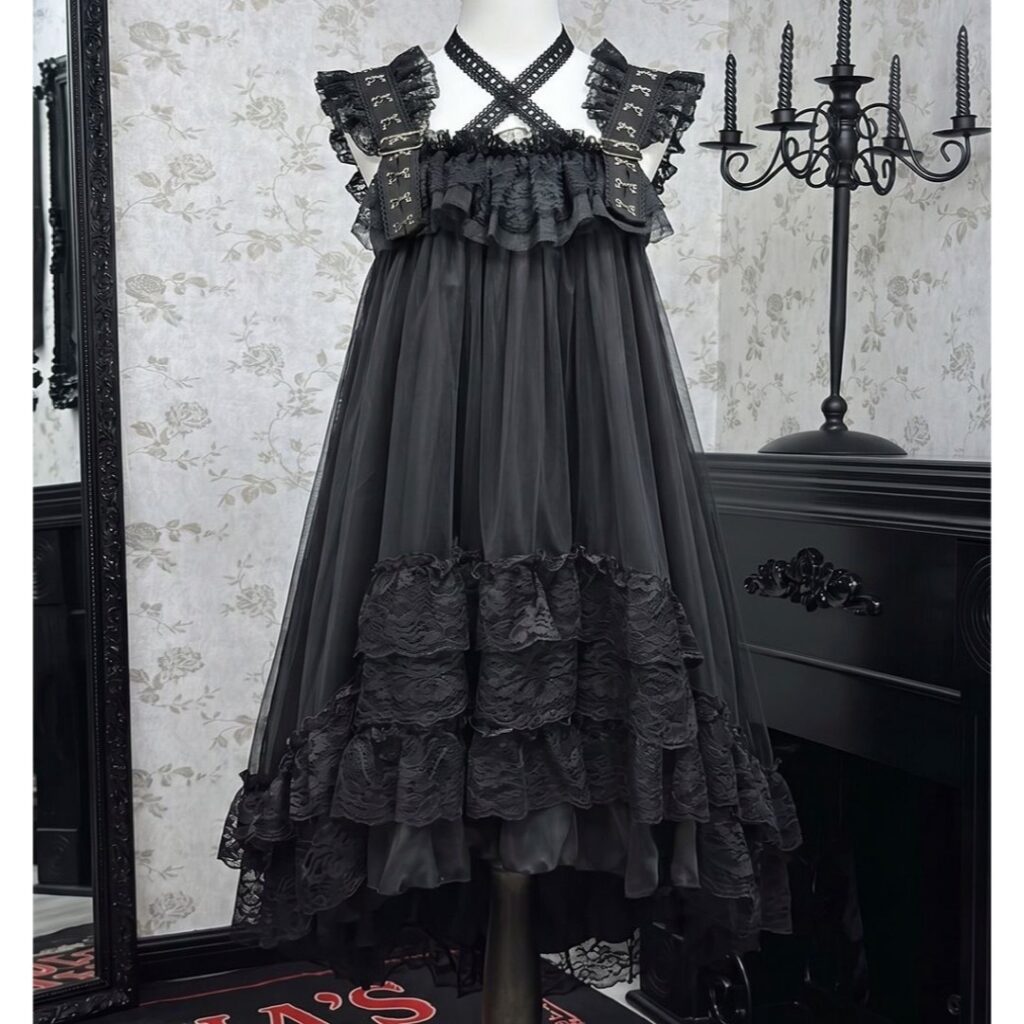
Gothic Lolita is a style that shifts toward a darker and more solemn direction while maintaining the silhouette of Lolita. Black, white, deep purple, and wine red are the primary colors, and motifs like crosses, roses, lace, and cathedral-style elements are frequently used, shifting the atmosphere toward stillness and mystery rather than sweetness. Heavy fabrics and longer lengths may be used for dresses, and accessories with high decoration density stand out, such as headdresses, rosaries, and corset-style details. Even though it is the same Lolita as Sweet, the impression changes significantly depending on the choice of colors and motifs.
Ouji
Ouji is a direction called the “Prince style,” and is a style frequently discussed adjacent to Lolita culture. Using half pants, vests, blouses, tailcoat-style jackets, and boots, it possesses strong aristocratic and boyish elements. While the shape differs from dress-centric Lolita, the decorativeness and the way the worldview is built are close. Colors are frequently black, white, navy, bordeaux, ivory, etc., and hats, ties, frill shirts, and decorative buttons hold important roles. On magazine pages, it is a system frequently displayed in combination with classical rooms or western-style mansion backgrounds.
Wa Lolita
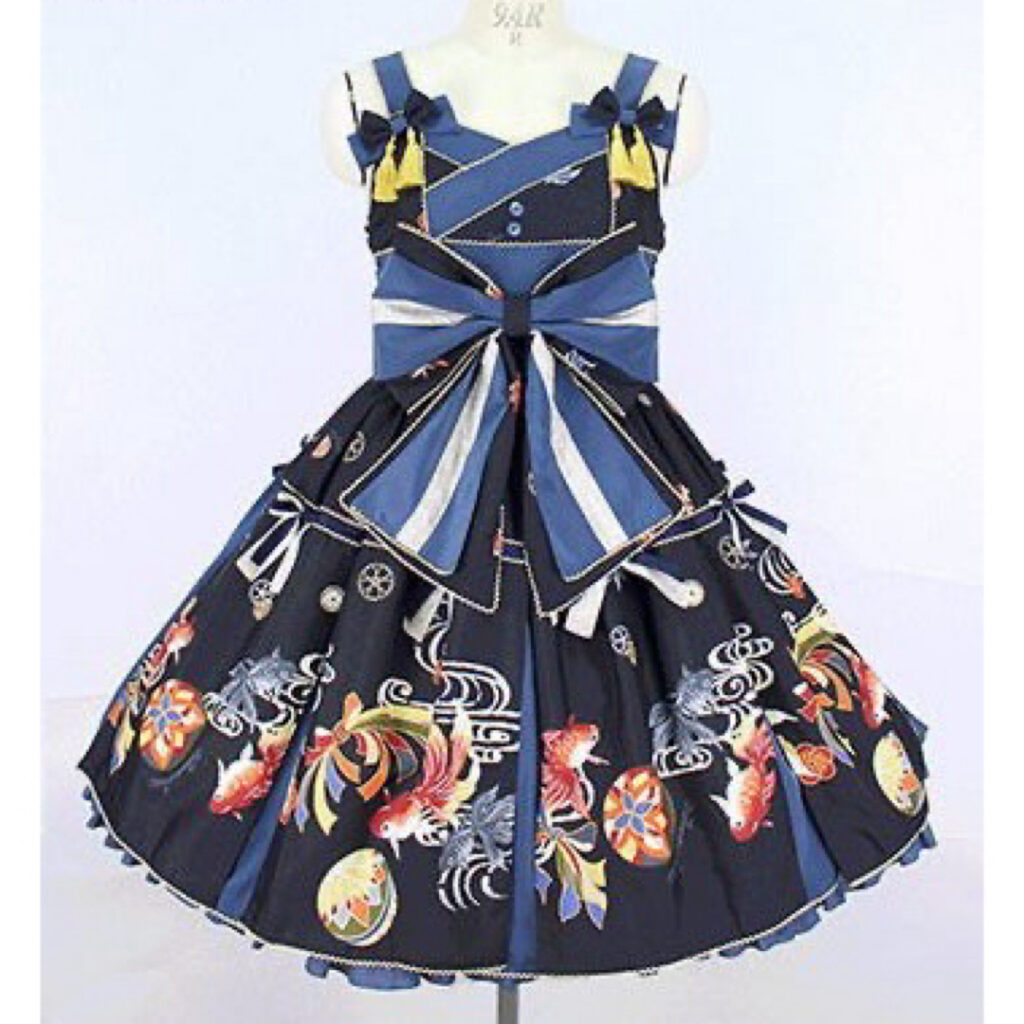
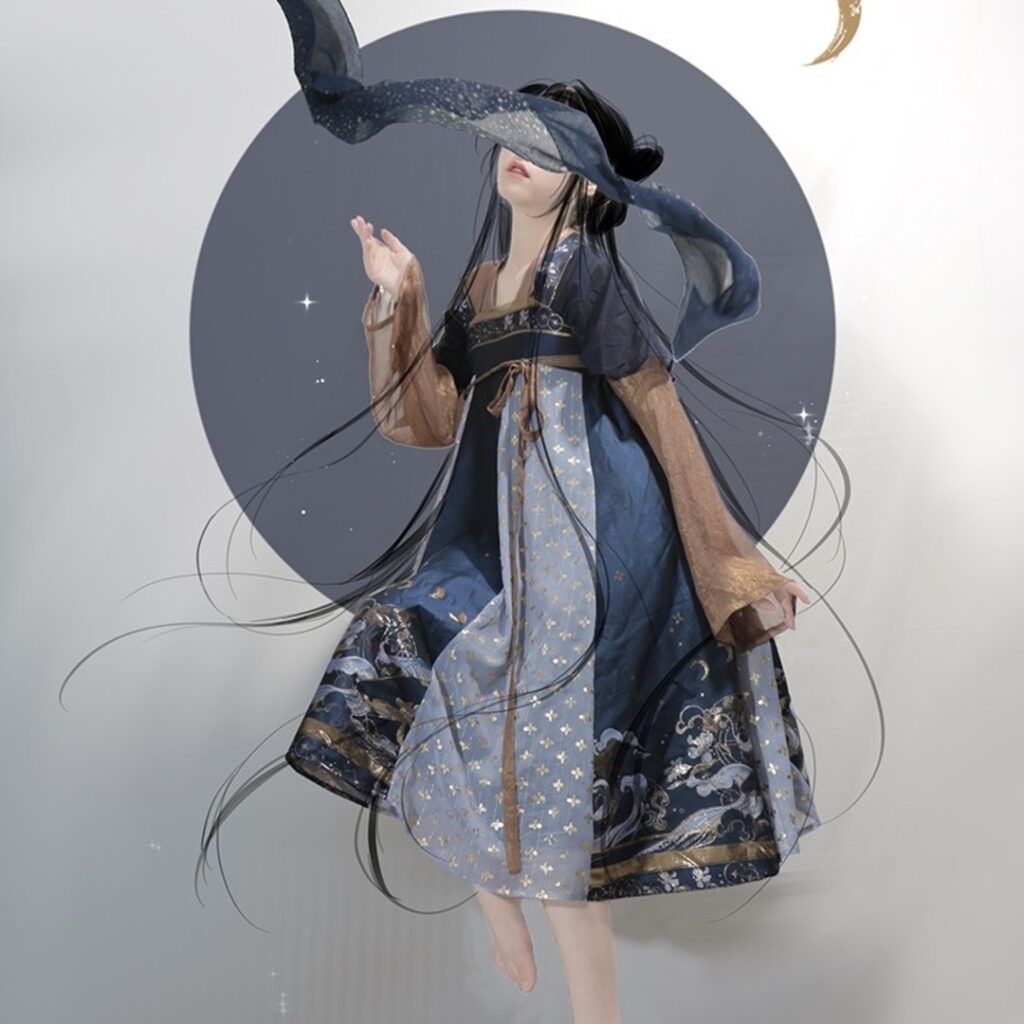
Wa Lolita is a style that incorporates traditional Japanese patterns and kimono elements into the silhouette of Lolita. Japanese patterns such as cherry blossoms, folding fans, goldfish, peonies, and hemp leaf patterns are seen, and obi-style details, hairpins (kanzashi), and Japanese-style head accessories are also used. It is characterized by the coexistence of Western frill compositions and Japanese patterns and decorations within a single piece of clothing. Colors can also include color schemes familiar in traditional Japanese attire, such as red, black, off-white, deep green, and gold. It has developed not as a complete kimono, but strictly as a style that overlays Japanese visual elements onto the shape of Lolita.
Hime Lolita
Hime Lolita is a luxurious direction within Lolita that particularly brings forward a “princess” feel. Centering on pale pink, off-white, gold, lavender, etc., tiaras, ringlets (curled hair), roses, pearls, and rococo-style decorations are added. The volume of the skirt and the amount of decoration are large, making the gorgeousness stand out as a whole. Dresses possess strong decorativeness not just in lace and frills, but also in the placement of ribbons, bodice decorations, and skirt tiers. In magazines and brand visuals, it is a style frequently combined with palace-style or princess-room-style backgrounds.
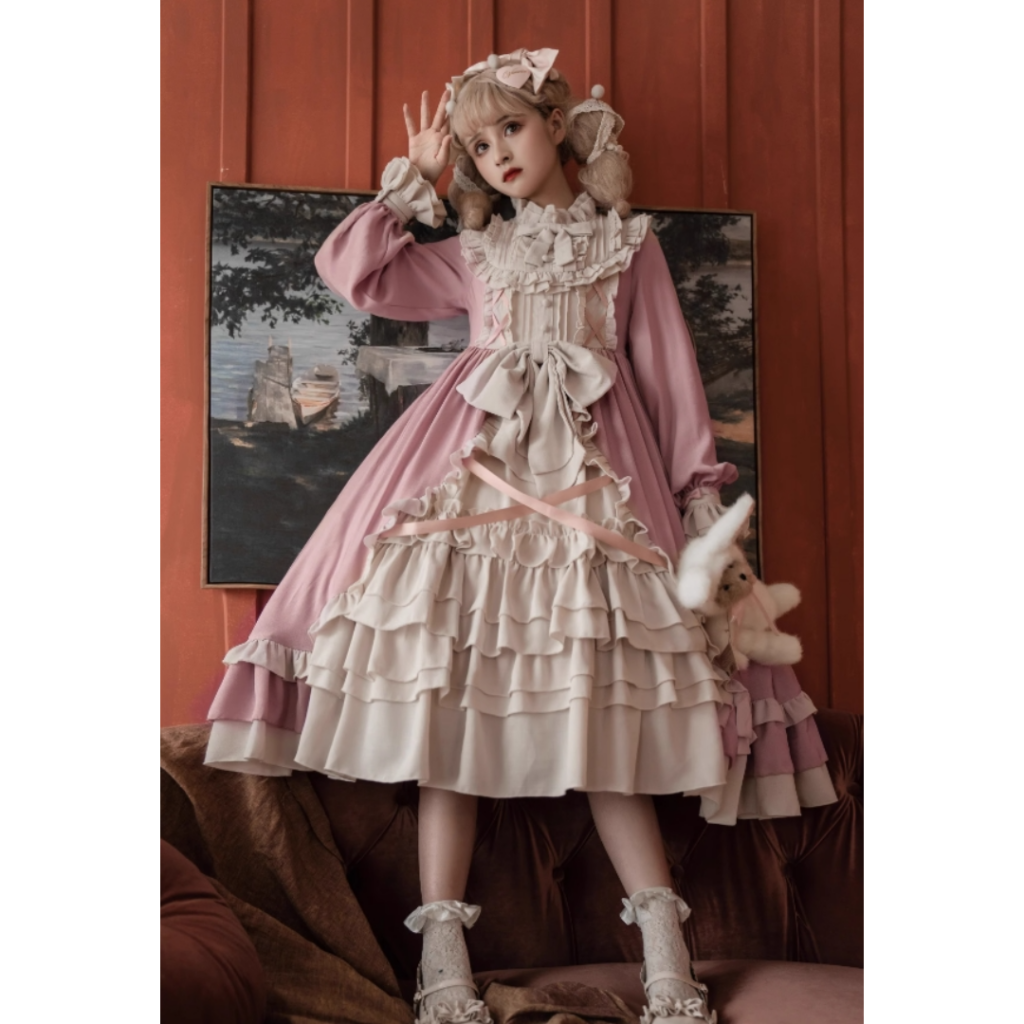
Magazine Culture Has Also Supported Lolita Fashion
Lolita fashion did not spread solely through brands, but became established through magazine culture. Particularly, Gothic & Lolita Bible is known as a medium that collectively displays the worldview of Lolita and Gothic styles. Here, not only brand advertisements but also coordinate features, reader snaps, makeup projects, hair arrangements, sewing patterns, and creator features were published, sharing the way clothes are displayed right on the pages. Such a magazine was not a mere catalog but a place to show “how to wear it as a culture.” Because the brand name, garment shapes, accessory combinations, and the photo atmosphere were presented as a set, Lolita has been received as a fashion deeply intertwined with magazine culture.
Japanese Lolita Brand Culture and the Used Market
The characteristic of Japanese Lolita brand culture is that even within the same category of Lolita, the aesthetic sense differs considerably depending on the brand. For instance, Angelic Pretty has a strong presence with sweet, gorgeous color schemes and prints, while BABY, THE STARS SHINE BRIGHT is a brand frequently discussed in the representative Sweet Lolita context utilizing plenty of ribbons and lace. Innocent World points in a more classical and calm direction, Moi-même-Moitié presents a gothic-leaning world of black and blue closely tied to the name of Mana, and Metamorphose temps de fille is known for its wide range of prints and themes. In the used market, not only one-pieces and jumper skirts remain, but also blouses, petticoats (paniers), bonnets, headbands, bags, shoes, socks, novelties, and mook books. In other words, the Japanese secondary market is a place where individual parts that construct a Lolita outfit circulate separately, rather than just completed coordinates. Furthermore, because popular prints from past seasons, brand staples, limited colors, collaboration projects, and magazine appendixes can also be found, the used market contains layers of time that go beyond just “the clothes being sold right now.” To understand the direction of a brand, this distribution environment where past pages and old works line up together alongside current items serves as an invaluable archive.
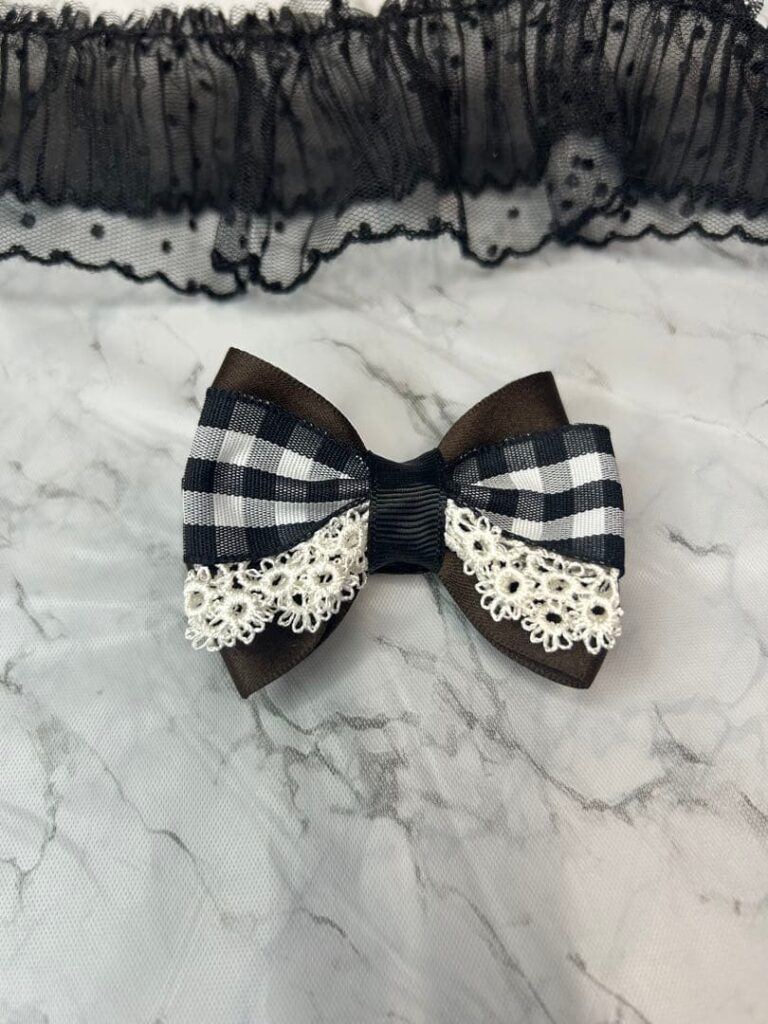
Ribbon of Lolita Fashion
Key Points When Looking at Lolita Styles
When looking at Lolita fashion, it becomes much easier to organize if you first remain conscious of four things: color, print, silhouette, and decoration density. For Sweet, bright colors and cute motifs are the core; for Classic, deep color schemes and calm prints; for Gothic, a quiet heaviness centered on black; for Ouji, the combination of pants and jackets; for Wa Lolita, Japanese prints and obi-style details; and for Hime, the decoration volume and princess-like gorgeousness serve as their respective axes. Even within the same bell silhouette, the impression of the clothing changes significantly depending on whether the print is strawberries or damask, whether the headdress is large or understated, and whether the shoes are rounded or sharp. Lolita has developed not as “all cute clothes,” but as a group of styles with clear differences in fine details.
Tracking the Pages, Clothes, and Small Items Remaining in Japan Makes Following the Accumulation of Lolita Culture Easy
Lolita fashion is not a genre that concludes solely with clothes. It is a culture passed down including the looks of each brand, magazine features, head accessories, shoes, bags, sewing patterns, supplements, and event photos. Because such elements remain collectively in the Japanese market, Lolita remains a fashion genre that is easy to track on a physical basis even today. Using Neokyo, you can collectively search for Lolita-related clothes, small items, magazines, and brand items listed on Japanese shops and flea markets.