
Are Japanese Pokémon Cards Worth More? | Is the Value of Japanese Pokémon Cards Higher Than the English Version?
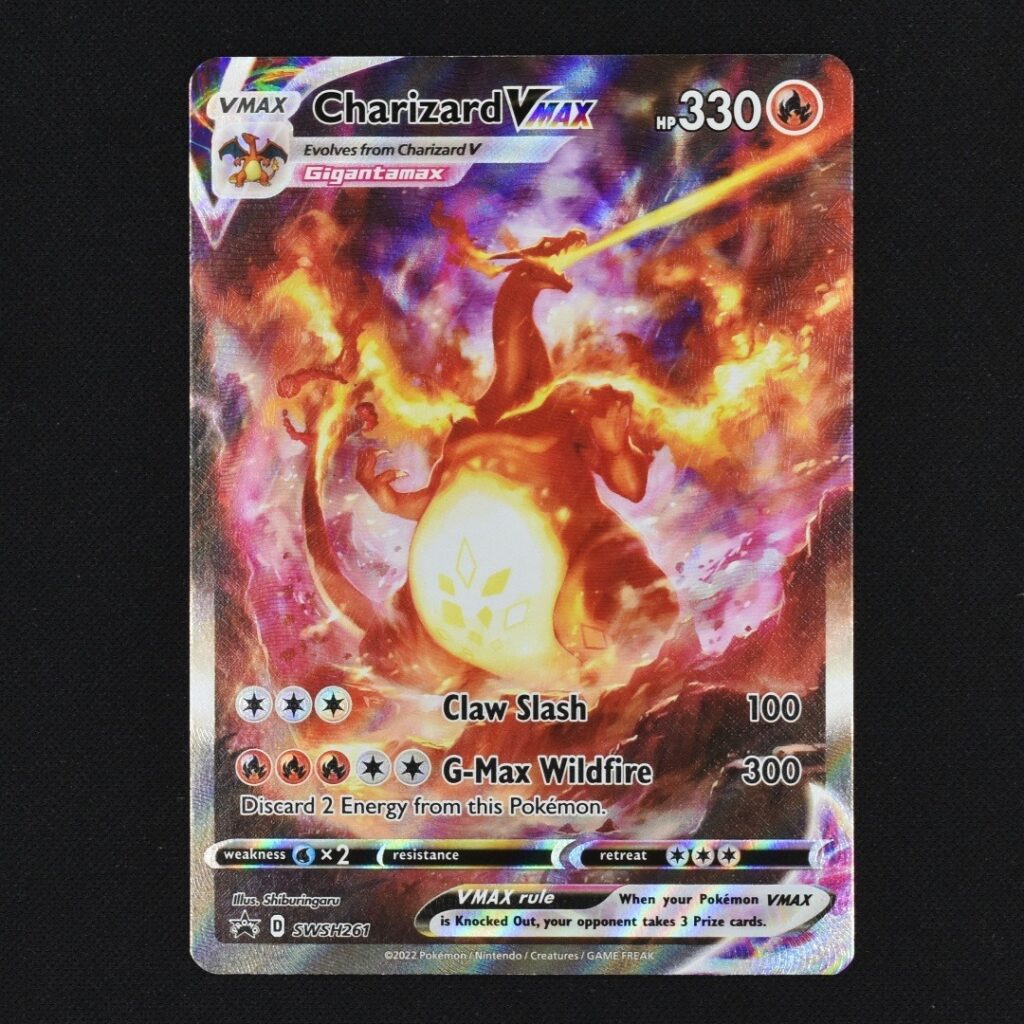
When asked if Japanese Pokémon cards are more expensive than English ones, the answer is not simple. In reality, differences arise depending on the card type, exclusivity, release timing, specifications, and grading demand.
There are certainly cards where the Japanese version is stronger. In particular, for limited promos, pre-release cards, and popular cards with unique specifications, the Japanese version can be seen as considerably stronger. On the other hand, the English version has an advantage in terms of worldwide recognition, distribution volume, and ease of price tracking.
Cases where the Japanese version tends to be more expensive
The Japanese version tends to be stronger for cards with limited distribution, cards that became a hot topic due to early release in Japan, and cards whose unique Japanese specifications are highly valued. From a collector’s perspective, the unique appeal of the Japanese version can directly translate into its price.
In addition, the Japanese version has its own promos and specification differences, making it easy for people to want a card “because of that specific appearance.” When there are elements that are not directly ported to the English version, the reason to search for the Japanese version directly becomes stronger.
In terms of condition as well, the Japanese version is frequently discussed in conjunction with grading, and the neatness of appearance and the impression of the texturing tend to be highly valued.
Cases where the English version is stronger
The English version is easily recognized worldwide, and because the population of buyers is broad, it has the strength of easily gathering demand. For popular cards that have become staples among overseas collectors, the English version is easier to trade and the market price tends to be stronger.
Even for people tracking price information, it can be easier to find comparison materials with the English version. The thickness of distribution and ease of buying and selling can directly lead to the strength of the market price.
In other words, the Japanese version does not always win, and the superiority changes considerably depending on the type of card.
A quick look at the differences between the Japanese version and the English version
| Comparison Point | Cases where the Japanese version tends to be stronger | Cases where the English version tends to be stronger |
| Exclusivity | Japan-exclusive promos, distribution types, local projects | Popular cards that are easily recognized internationally |
| Release Timing | Periods when attention gathers due to early release in Japan | Periods when demand expands after the English release |
| Appeal of Specs | Texturing, mirrors, unique appearances | Large worldwide distribution and ease of comparison |
| Grading Demand | Good condition and beauty are highly valued | Easy to buy and sell in the global market |
| Ease of Searching | Abundant candidates in the Japanese market | Easy to follow information on overseas market prices |
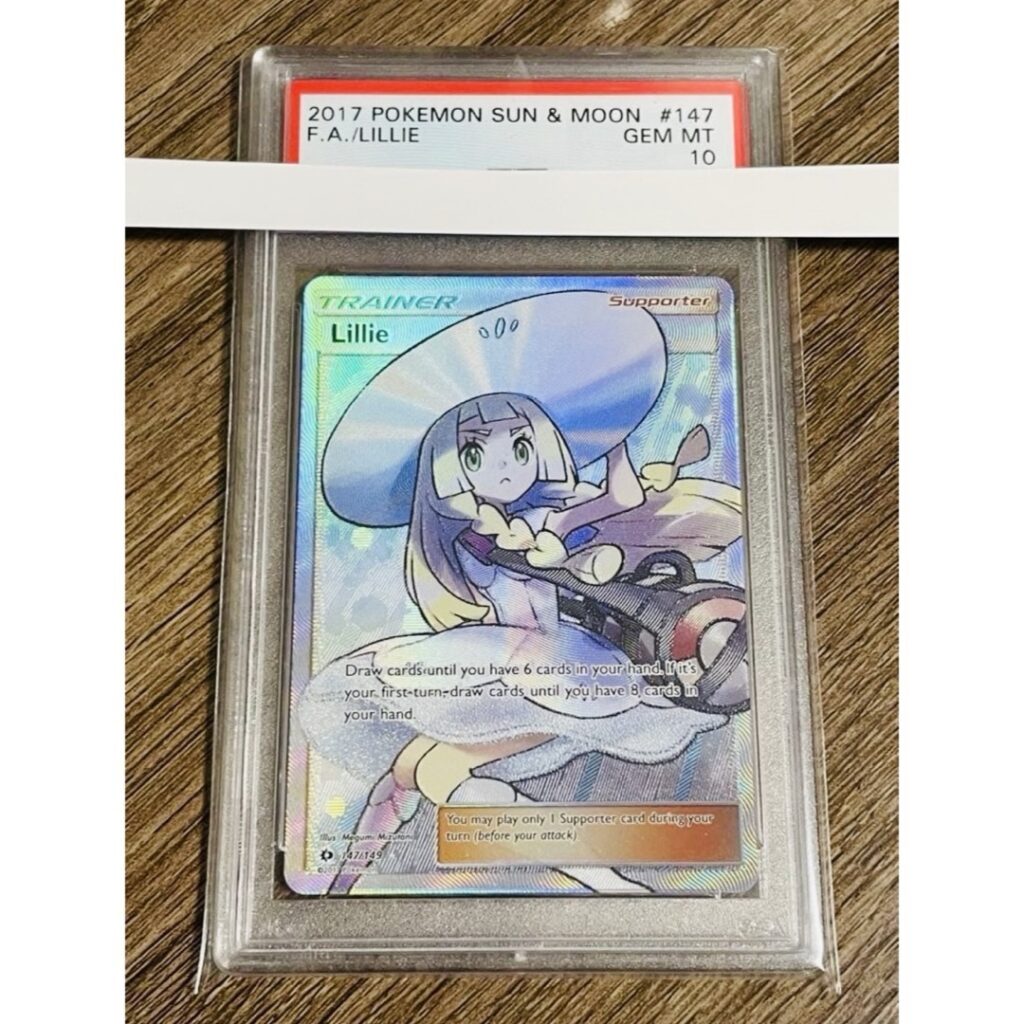
English Version Lillie (Hat)
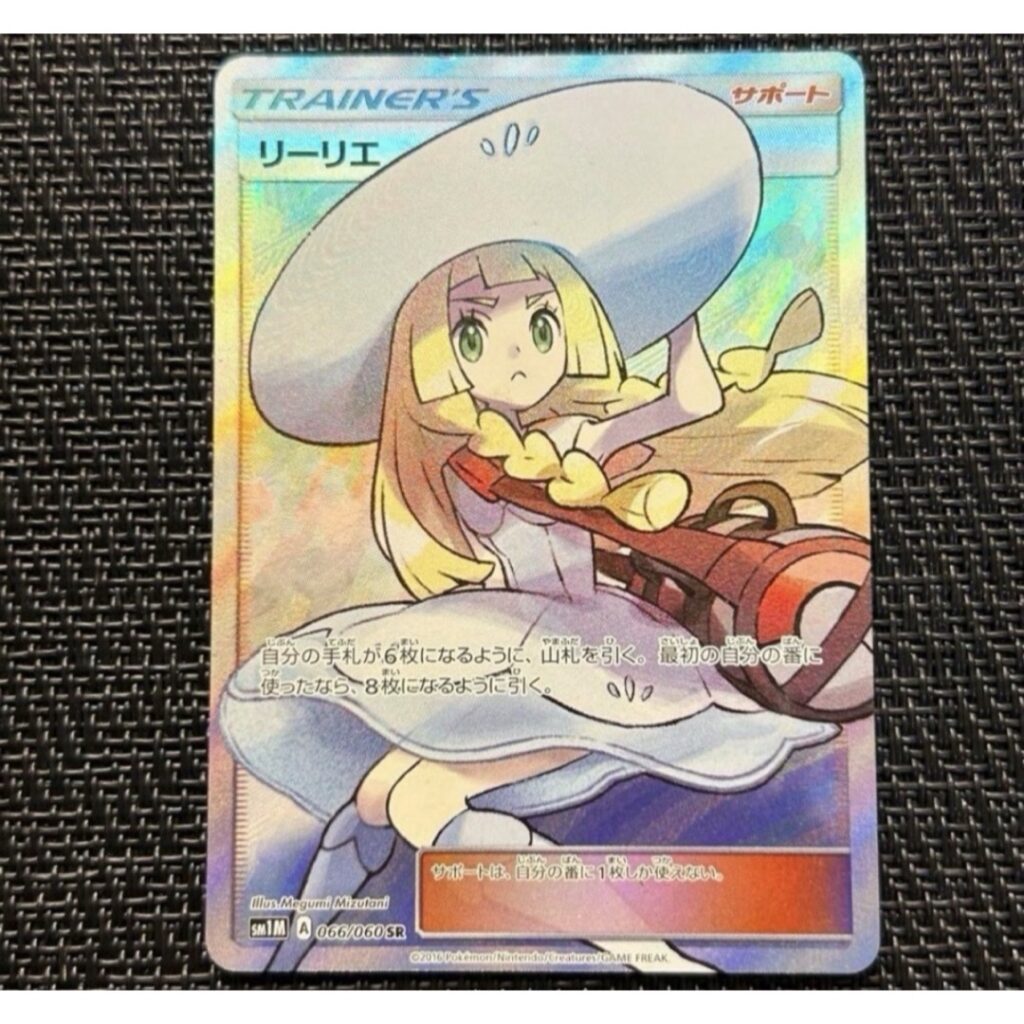
Japanese Version Lillie (Hat)
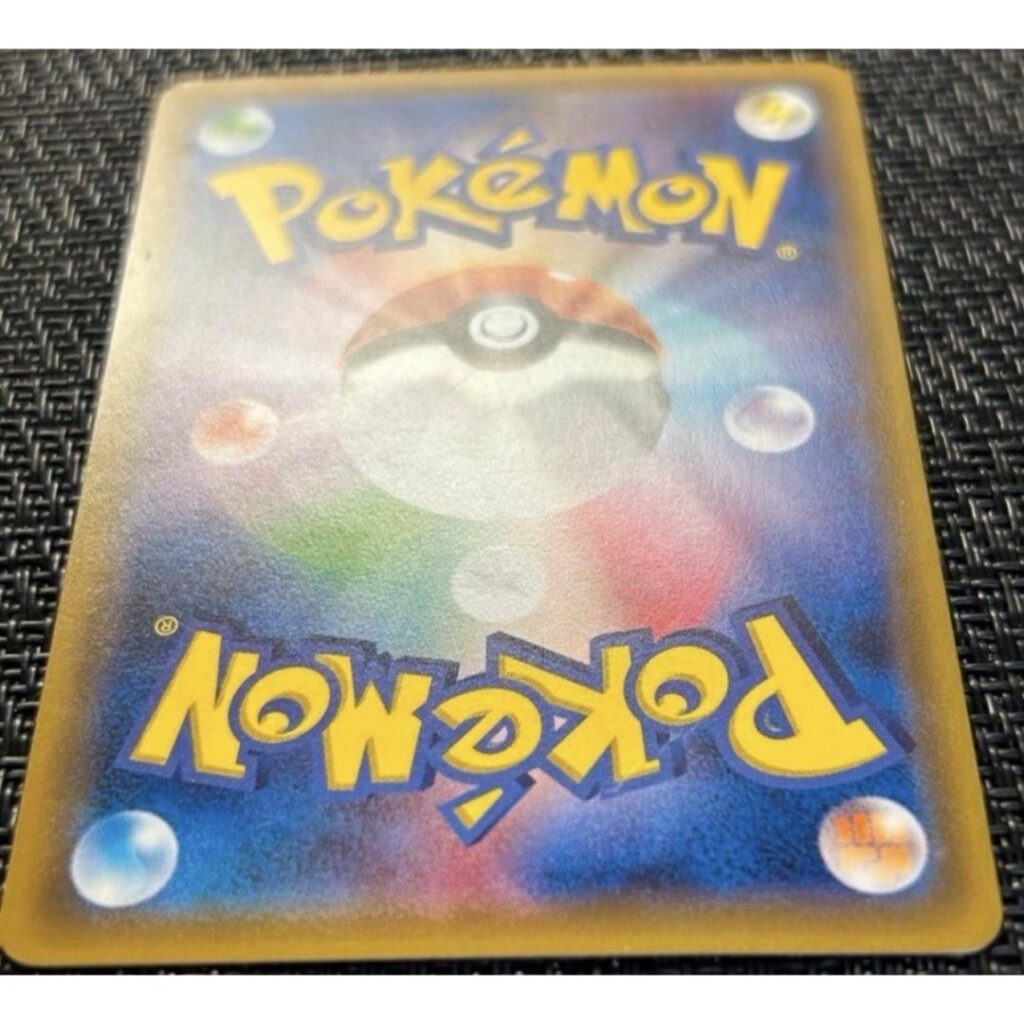
Back of Japanese Version
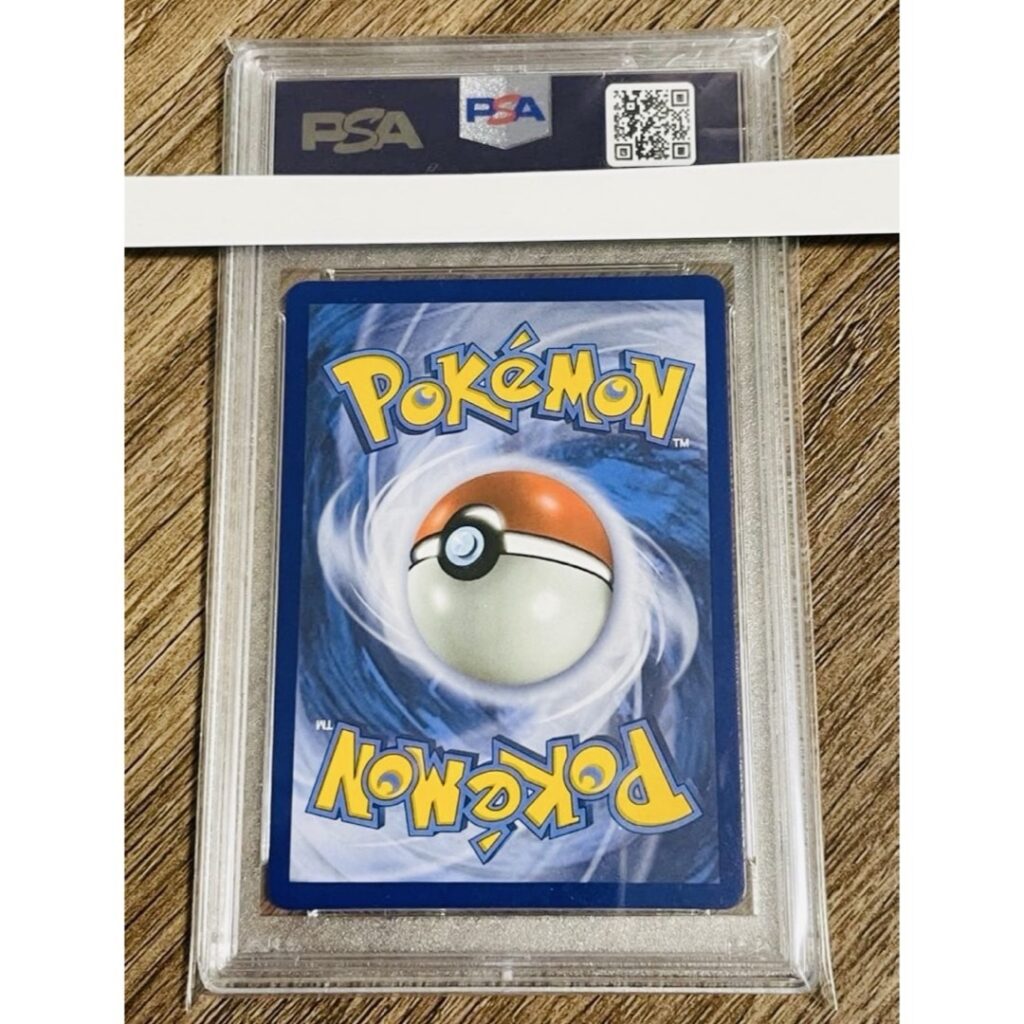
Back of English Version
You also want to keep the differences in product design in mind
Looking at representative main booster products, the number of enclosed cards per pack and the number of packs per box often differ between the Japanese and English versions, showing a difference in the product design itself. Generally, it is frequently mentioned that the Japanese version has 5 cards per pack / 30 packs per box, while the English version has 10 cards per pack / 36 packs per box.
However, this does not apply to all products exactly as it is. Since the configuration may change for special sets or related products, you want to confirm the specifications of individual products before actually buying.
These differences affect not only the fun of opening but also which singles easily attract attention in the market.
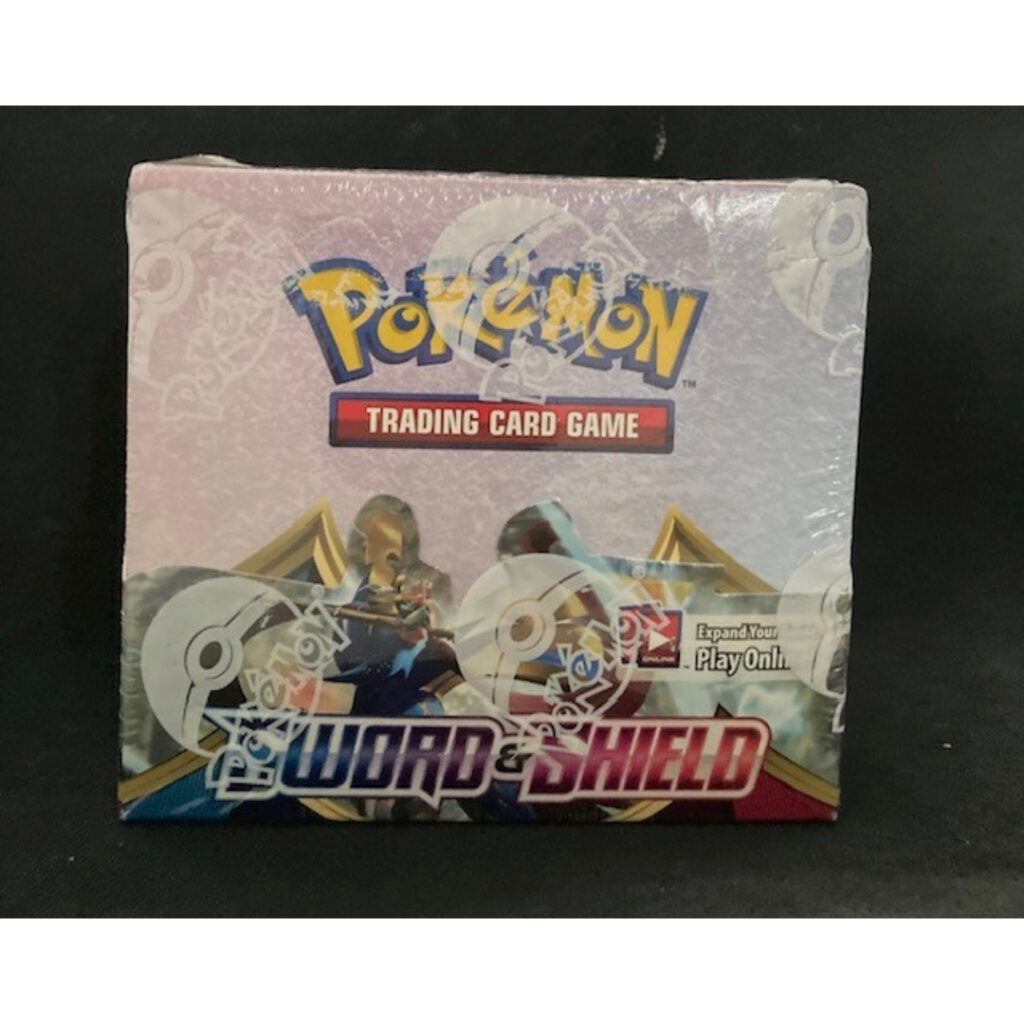
Overseas Version Booster
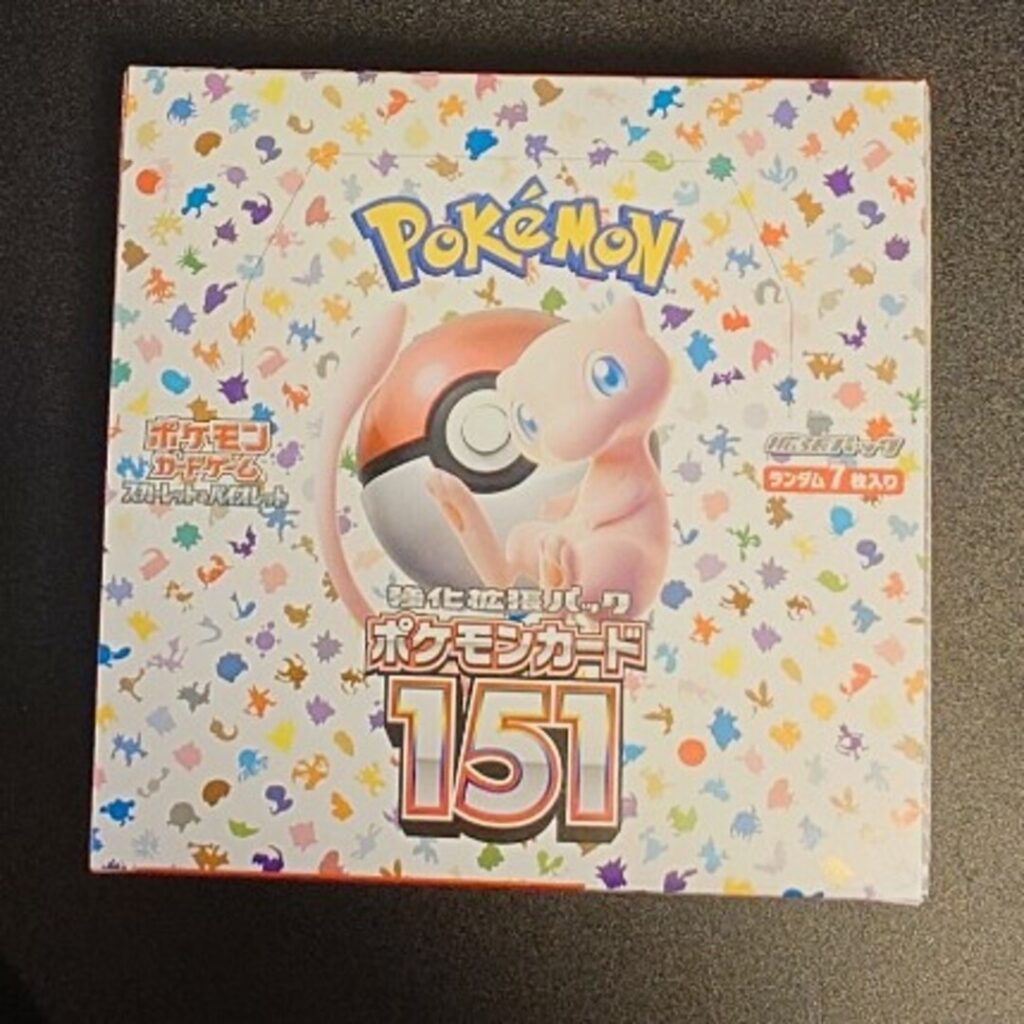
Japanese Version Booster
Characteristics of Japanese cards that tend to become expensive
Among the Japanese versions, limited promos are the first to easily become expensive. Cards with limited acquisition opportunities—such as tournaments, distributions, commemorative projects, and store campaigns—easily attract people who want them later, and the price tends to rise.
Next are cards with visual appeal unique to the Japanese version. Due to the impression of the holo or mirror, unique specifications, and differences in set configuration, people sometimes think, “I want the Japanese version even for the same character.”
Furthermore, for popular Pokémon or popular Trainers, those with good condition or graded evaluations can be highly valued even in the Japanese version.
What you don’t want to overlook when comparing
When comparing the Japanese version and the English version, it is safer not to end your search just by character name. If you do not look down to the card number, set name, rarity, specification, and whether it is a promo, it becomes easy to compare completely different items.
Even if they look like the same illustration, the market price can be completely different for reprint versions, different language versions, different specifications, and different rarities. It is harder to make a mistake if you first confirm whether the card number and set name are the same, and then look into the specification and condition.
Rather than looking only at the price difference, it is easier to make a judgment if you look at “why that price difference exists.”
When viewing Japanese version Pokéca on Japanese flea markets
If you truly want to know the appeal of the Japanese version Pokéca, the meaning of looking at the used market, including Japanese flea markets, is quite large. Limited promos and cards with unique specifications can be difficult to encounter if you only look at general distribution for overseas, and Japanese flea markets sometimes have more candidates.
For that reason, the way you look at them is also important. Instead of jumping in just because it is cheaper than the market price, you want to carefully check the consistency of the seller, description, card number, specification, and photos.
There are listings that are difficult to find overseas
On Japanese flea markets, limited promos, store distributions, old campaign cards, and cards with fine specification differences can appear. You cannot easily encounter such cards if you only look at general overseas shops.
For Japan-exclusive cards, the small number of listings itself can serve as a hint of value.
The seller profile and description are quite important
When viewing Japanese version Pokéca on flea markets, you want to check the seller profile and product description first. If the ratings are extremely low, low ratings stand out, the relevance to listings other than cards is thin, or the description is too sloppy, you want to think carefully.
Also, whether the card number, condition, and specification are described in the text is important. For limited cards, the politeness of the description serves as a reassuring material.
Do not decide on PSA notation based on appearance alone
Cards with PSA notation easily catch the eye, but it is important not to feel relieved solely by the notation. You want to check whether the label information, card name, specification, and photos connect naturally.
Since the Japanese limited cards have many specification differences even for the same character, it is easy to misidentify if you judge solely by the appearance of the PSA.
Descriptions are important for promos and limited cards
For cards where the value of the Japanese version tends to be higher, the accuracy of the description is more important. If it is ambiguous whether it is a limited distribution, a standard expansion, or from which project it originated, the comparison itself becomes difficult.
You want to choose listings where the reason “why that card is expensive” can be read from the description, rather than moving just because “it’s the Japanese version so it’s expensive.”
★Related Articles:
Meaning of looking at the Japanese market
If you want to view the value of the Japanese version Pokéca, the meaning of directly looking at the Japanese used market is quite large. For limited promos and cards with unique specifications, it can be difficult to grasp the entire picture unless you look at the volume of listings and variations on the Japanese side.
Cards with small distribution volumes or cards where fine specification differences affect the market price are easier to compare in the Japanese market. When you can see down to domestic shops and flea market listings, it becomes easier to see “whether the number of listings is low in the first place” or “whether the number of individuals in good condition is low.”
Summary
There are certainly situations where the Japanese version of Pokéca is strong, but the important thing is not to decide solely based on “whether it is the Japanese version or the English version.” The true value difference becomes visible only after looking at the card number, specification, exclusivity, and condition.
If you want to expand your search to the Japanese market, using a purchase support service like Neokyo makes it easy to cross-search Japanese shops and flea market listings. It is a highly convenient method for people who want to search while increasing their comparison materials.