

Fake Pokémon Cards Guide | How to Identify Fake Pokémon Cards and Points to Check Before Buying
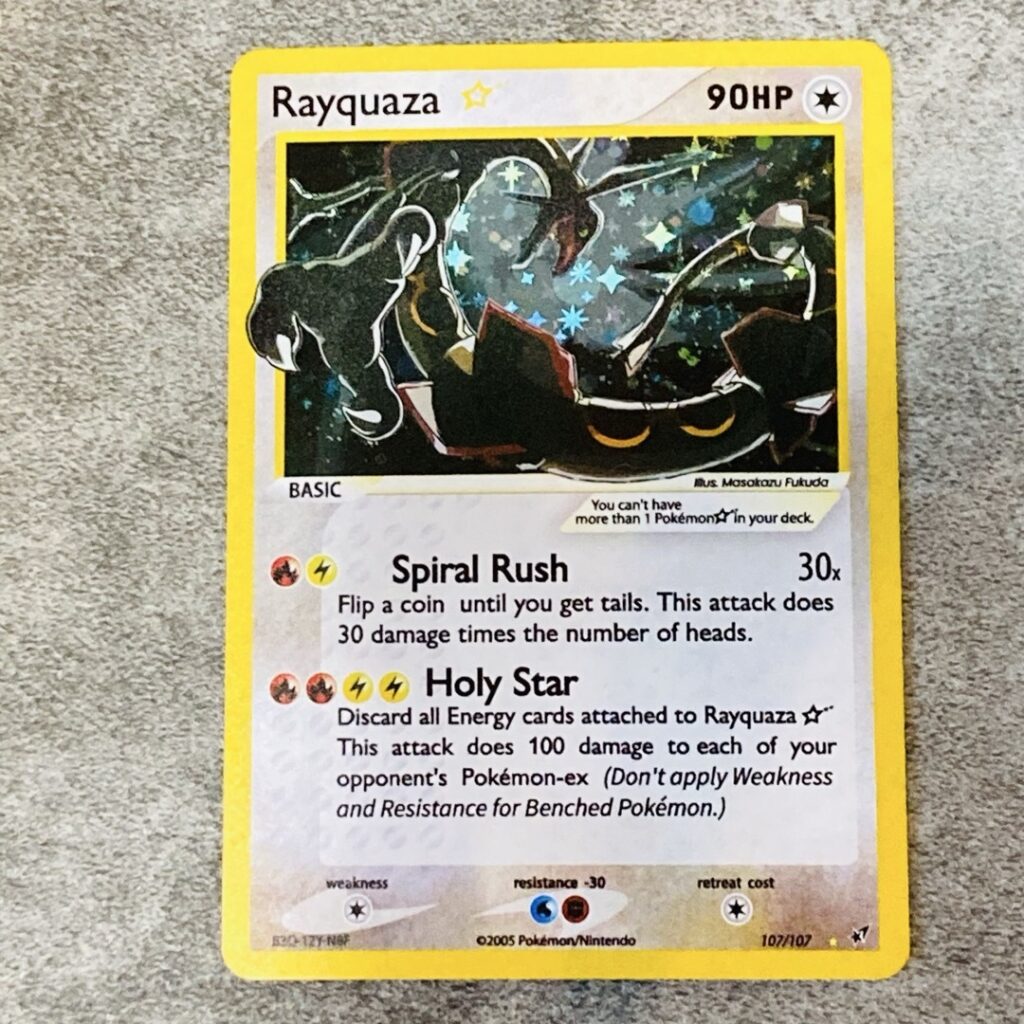
Fake Pokémon cards can look very close to the real thing if you only judge by appearance. That is why it is important not to judge solely by cheap prices or general vibes, but to comprehensively look at the printing, paper quality, holo processing, photos, descriptions, and seller information. Particularly for popular or high-end cards, there are moments when it is difficult to judge by photos alone. If you feel even a slight sense of mismatch, do not let that feeling slide, and verify by overlapping several points. ★Eye-catch
Checkpoints to verify immediately
When you feel that a card might be a fake, looking at the following points first will make it easier to judge.
- Is the price extremely too cheap compared to the market rate?
- Are there too few photos?
- Is there an image of the back side, not just the front?
- Are the images blurry or too small?
- Is the product description too short or too vague?
- Is the description of the card name, rarity, or number unnatural?
- Are the coloration and holo processing too different from what you are used to seeing?
- Is there a sense of mismatch in the font or character spacing?
- Is the same photo being reused across multiple listings?
- Is there any anxiety regarding the seller’s rating or transaction history?
If there is only one mismatch, it might be a simple oversight, but if several overlap, you should think carefully.
The light transparency check is helpful
In authenticity checks for Pokémon cards, the method of looking through the card against a bright light is frequently used. Fakes have unnatural paper quality, which may let too much light pass through or create an unnatural appearance. However, it is dangerous to end your judgment solely with a light transparency check. Recently, there are fakes that heavily mimic the appearance, so it is safe to look at the finest details of printing, coloration, holo processing, thickness, and surface texture in addition to paper quality. If you have an authentic card for comparison, lining it up with a card from the same era or close specifications is the easiest way to understand.
Mismatches easy to see on the front and back
On the front side, differences easily appear in color, font, borders, holo reflection, and sharpness of printing. In fakes, shifts such as the color being oddly dark, whitish, the outline being blurred, the text being thick, or the holo appearing flat are prone to occur. The back side is an even easier point to compare. The darkness of the blue, the appearance of the swirl, the color payoff of the yellow, and the overall tightness of the card can look different. It is not rare for the front side to look natural, but for a mismatch to appear clearly when looking at the back side. Listings without a photo of the back side should be viewed cautiously for that reason alone.
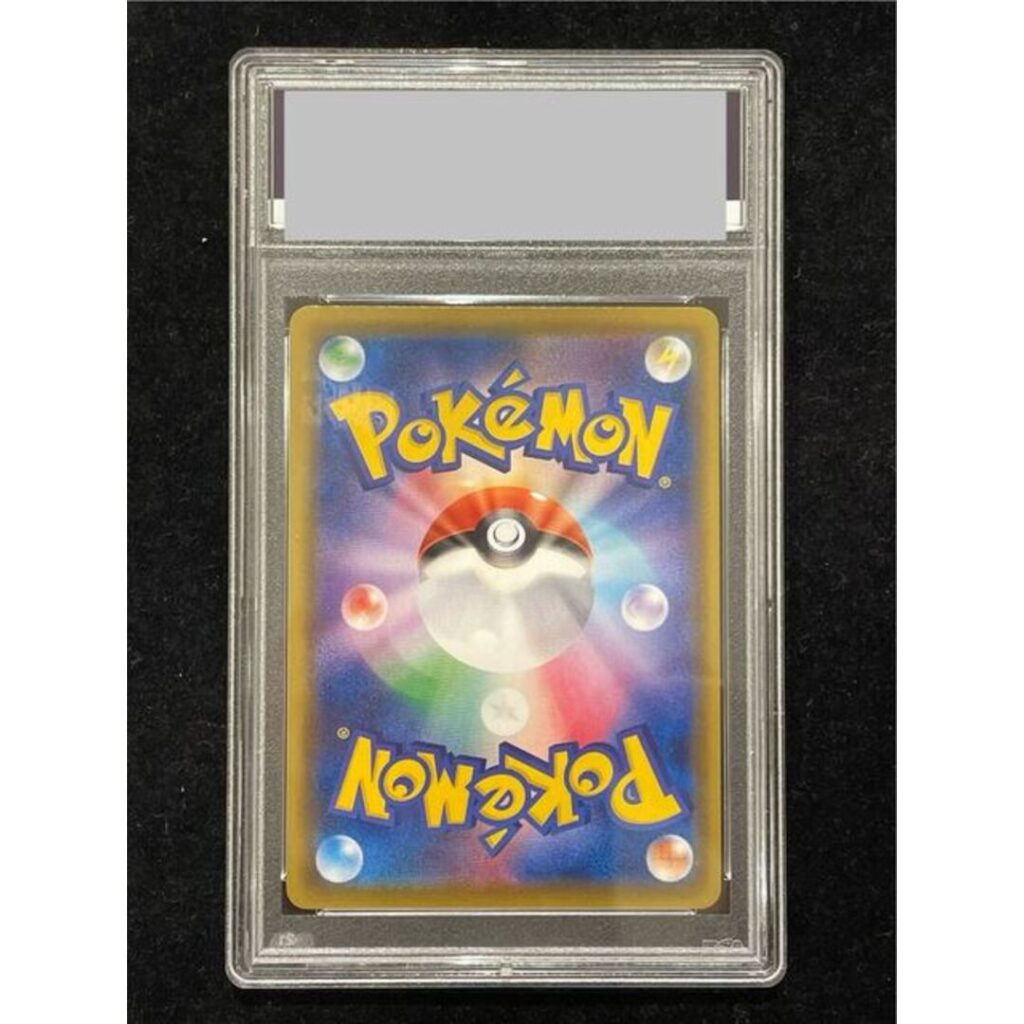
Back of New Pokémon Card
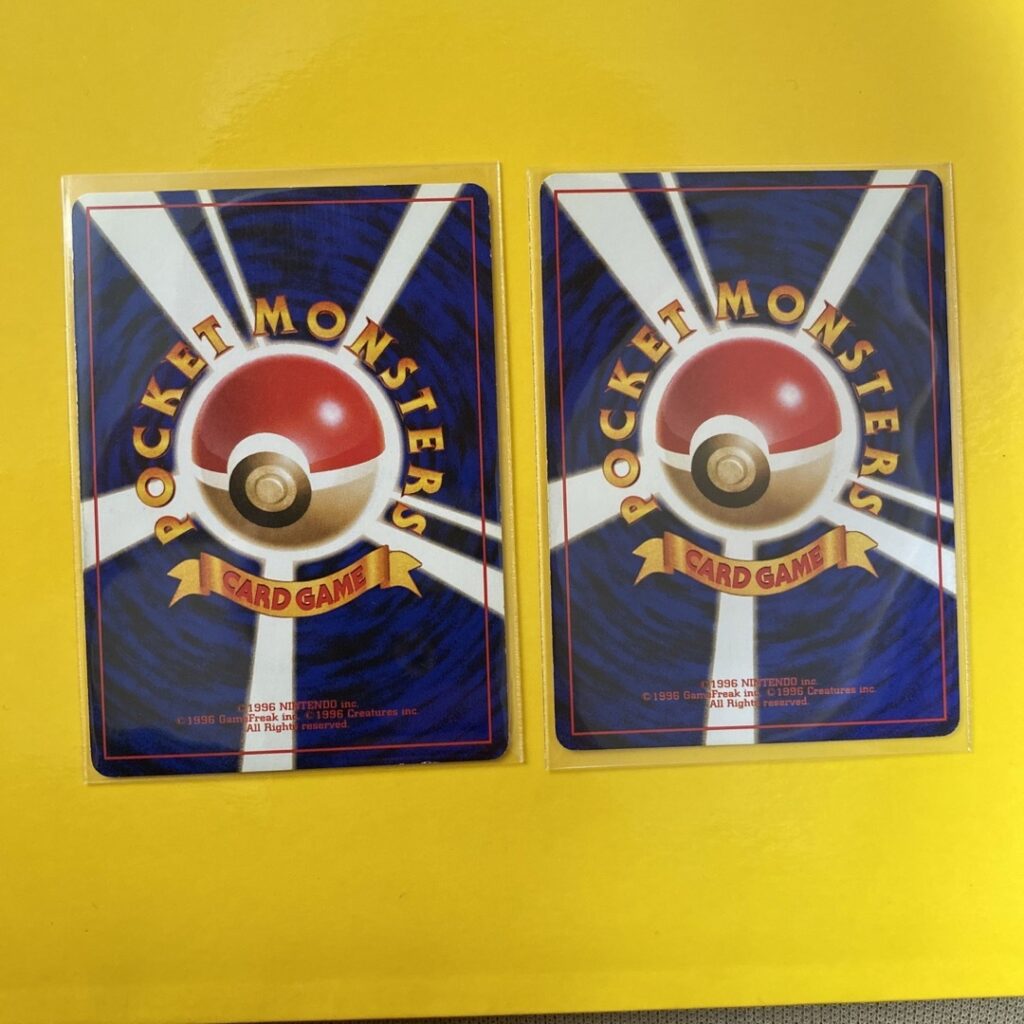
Back of Old Pokémon Card
Unopened packs and boxes cannot be overlooked either
It is often thought that unopened items are safe, but fakes also circulate in packs and boxes. In particular, items with prices that are too cheap, few images, or vague descriptions should be viewed cautiously. In listings by pack unit, mismatches may appear in the clarity of printing, the crimping of the seal, or the coloration of the package. However, since unopened items are often difficult to conclude by photos alone, it is safe to judge including price, seller rating, and the politeness of the description. “Unopened yet too cheap” becomes a very strong warning point on its own.
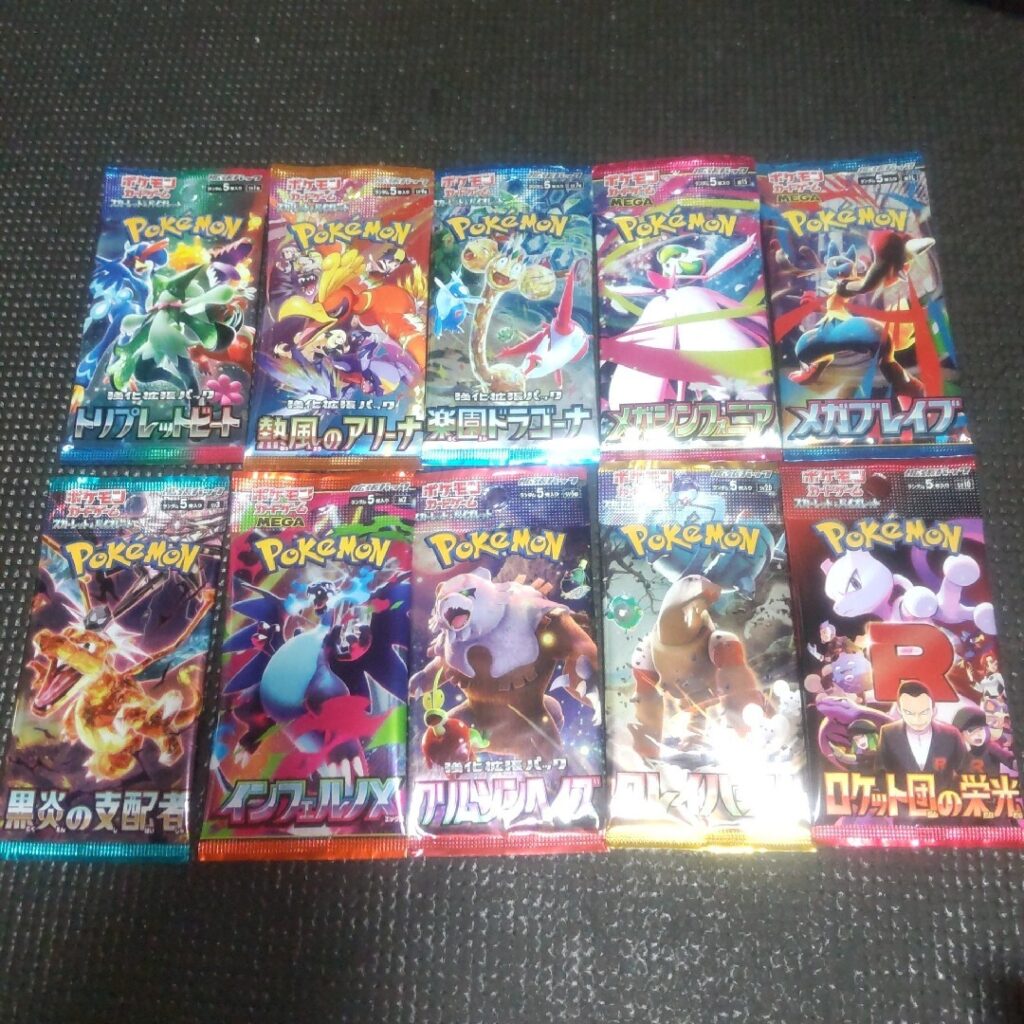
Example of Pokémon Card Pack
Points to look at before buying single cards
When buying single cards, you want to confirm that the card name, card number, rarity, and type of processing match properly. It is common for a description to sound like a high-rarity version, but upon looking at the photo, it is actually a different specification. There are also listings that confuse a similar-looking different card, a different language version, a reprint version, or a low-rarity version, so it is safer not to jump in solely by the character name. If it is a high-end card, you also want to see if photos of the front, back, four corners, and surface processing are fully available. For listings lacking information, choosing not to pick them forcedly will result in fewer failures in the end.
Things to confirm after arrival
What you want to see after arrival is the thickness of the paper, the flex, the surface texture, the sharpness of the printing, and the coloration of the back side. Mismatches that you did not notice in the photos can appear clearly on the actual item. If you have an authentic card that can be compared, lining them up is the fastest way. Looking down to the weight, thickness, reflection, cutting, and text outlines will reveal differences difficult to notice as a single item. If even a slight anxiety remains, it is safe to have a card specialty shop or an experienced collector look at it.
Things to be careful of with high-end cards
With high-end cards, it is important to look at the consistency of the entire product information, not just the card itself. You want to confirm that the product name, card number, specification, description, and photos connect naturally. Also, the more expensive the card, the more caution is needed for listings where the condition is written vaguely. Even if written as a mint condition, white chips or scratches can be difficult to see in photos. It is safer to prioritize the volume of photos and politeness of description over the cheapness of the price. For listings where you feel “I might miss it if I don’t buy it now,” you want to pause once and review.
Precautions when buying at flea markets
Japanese flea markets have a large number of listings, and you can sometimes find bargains. On the other hand, because the variation in information is larger than shop listings, you want to view the photos, descriptions, and seller information more carefully. Even when checking Japanese flea markets through a service like Neokyo, the points to look at are exactly the same. It is safe to move after confirming the consistency of the seller, product description, specification, and photos, rather than jumping in solely by cheapness or rarity.
Check the seller profile first
What you want to look at first is the seller profile. If the number of ratings is extremely low, low ratings stand out, the relevance to listings other than cards is thin, or the description is too sloppy, you want to think carefully. Simply looking at whether the seller is used to handling cards makes it much easier to judge.
What to look for in listings with PSA notation
When viewing products with PSA notation at flea markets, it is important not to assume that “it’s safe because it’s PSA.” What you want to see is whether the label printing, number information, card name, and card specification connect naturally. Caution is needed for listings where only the title is luxurious but the description is thin, photos are few, or the label is hard to confirm. Since damage easily becomes large in high-priced ranges, listings with PSA notation should be viewed carefully.
Are the title and description mismatched?
Cases where the title strongly pushes a high rarity or popular specification, but upon reading the description and photos it turns out to be something else, easily happen at flea markets. Do not judge solely by the title, but check whether the card number, specification, and condition description match. If there is even a slight mismatch, it is safer not to buy based on assumptions.
Do not rush when in doubt
When you have even a slight anxiety, the most important thing is not to decide in a hurry. Simply looking for alternative listings to compare, checking the market rate for the same card, or prioritizing listings with a large volume of description and photo information will reduce failures. When using Japanese flea market listings, you can sometimes utilize the support or inquiry lines on the proxy purchase service side. Rather than proceeding while holding anxiety, it is safe to move after widening the range of what you can confirm.
Things to be careful of for children/gifts
When buying Pokémon cards for children or as gifts, you should be careful of bulk sets that are significantly cheaper than the market rate or products that are flashy only in appearance. People who are not familiar easily choose products that are shiny and have a large number of pieces, but such products are often prone to differences in the quality of contents. If it is a gift, it is safe to prioritize whether the publisher is clear, the description is polite, and the photos are sufficient, rather than the luxury of the content.
Summary
For listings that make you doubt, choosing by the volume of information rather than the price will result in fewer failures. Many photos, accurate descriptions, and easy-to-view seller information. Simply having these three together changes the sense of security significantly. If you want to expand your search to the Japanese used market, using a purchase support service like Neokyo makes it easy to cross-search Japanese shops and flea market listings. It is a convenient method for people who want to search while comparing, or proceed from purchase to shipping all together.