
Harajuku Fashion: Styles, History, and How to Get the Look
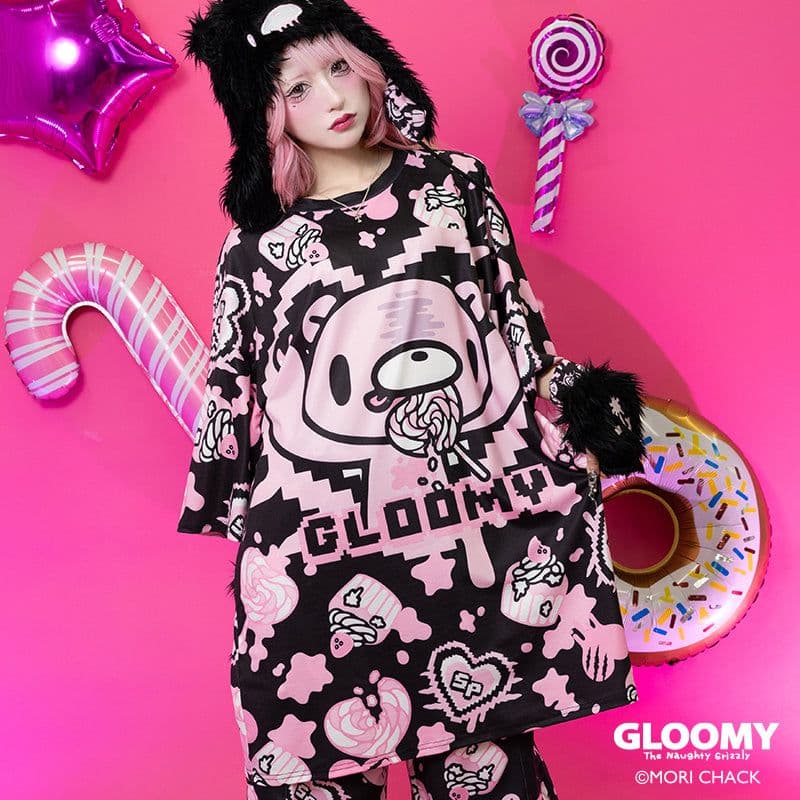
Harajuku fashion is more than a dress code — it’s a culture of self-expression that has been evolving on the streets of Tokyo for decades. From the elegant layers of Lolita to the maximalist color explosions of Decora, the styles born in this one small neighborhood have inspired people around the world.
But if you’re coming to Harajuku fashion for the first time, the sheer variety can feel overwhelming. What are the main styles, and how do they differ? What’s the history behind the movement? And how do you start putting together a Harajuku-inspired look — especially if you live outside Japan?
This guide covers all of it. You’ll learn where Harajuku fashion comes from, explore the major styles and what defines each one, get practical tips on layering, accessories, and footwear, and find out where to source authentic pieces from Japanese shops and marketplaces.
Whether you’re here out of curiosity or ready to build your first outfit, this is your starting point.
What Is Harajuku Fashion?
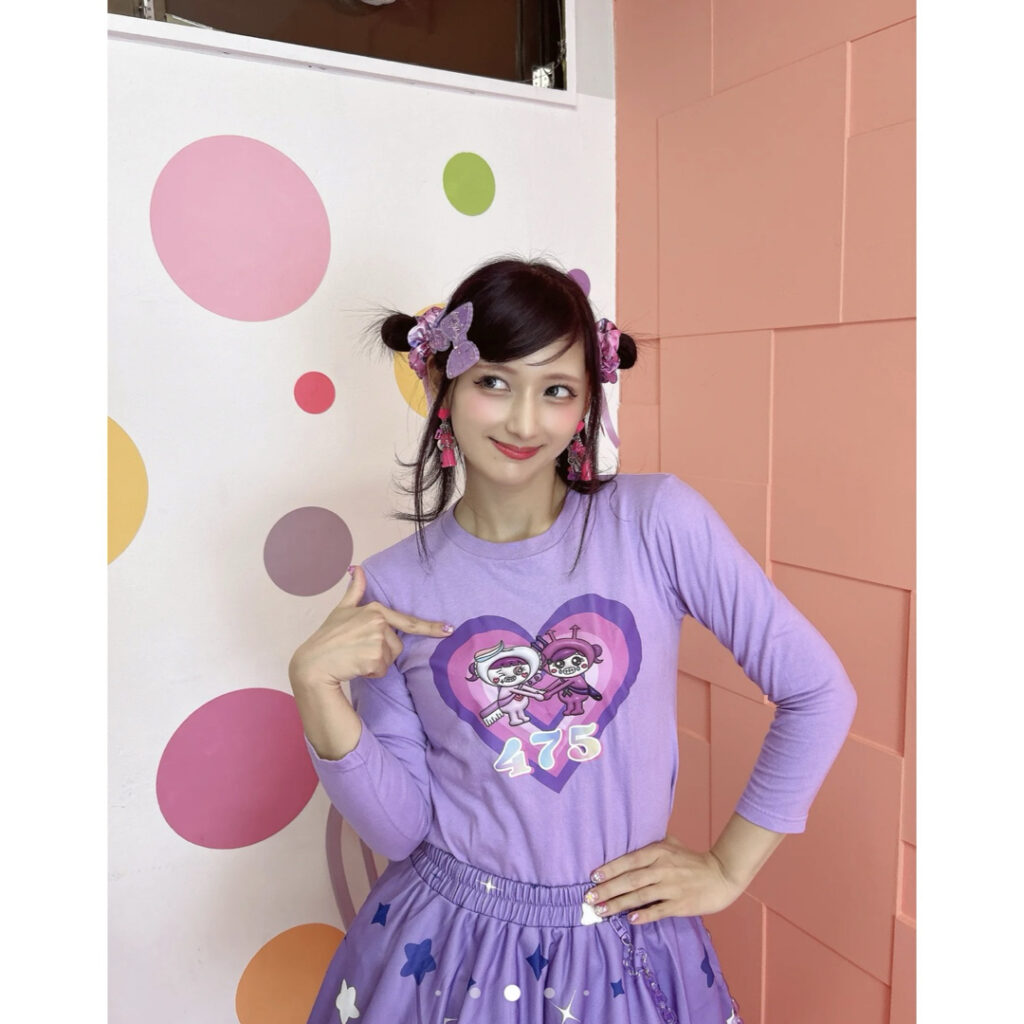
Harajuku fashion is one of the most recognizable street fashion movements in the world, but it isn’t a single style. It’s an umbrella term for the diverse, creative, and often boundary-pushing looks that emerged from one neighborhood in Tokyo.
This section covers:
- Where Harajuku Fashion Comes From
- Why Self-Expression Is at Its Core
Understanding these roots helps you see why Harajuku fashion continues to inspire people far beyond Japan’s borders.
Where Harajuku Fashion Comes From
Harajuku is a district in Shibuya, Tokyo, centered around JR Yamanote Line’s Harajuku Station. The area — particularly Takeshita Street and Ura-Harajuku (the backstreets behind the main drag) — has long been home to independent boutiques, vintage shops, and small-scale designers that draw fashion-forward crowds from across the country.
These tightly packed streets became a breeding ground for experimentation. Rather than following mainstream retail trends, shoppers and creators in Harajuku developed their own aesthetics, mixing and remixing influences in ways that defied conventional fashion rules.
The term “Harajuku fashion” doesn’t refer to one specific look. It’s a collective name for the many street fashion styles born in this district — from the elegance of Lolita to the maximalism of Decora to the glamour of Gyaru. What ties them together isn’t a shared dress code but a shared origin: this small corner of Tokyo where creativity and individuality have always come first.
Why Self-Expression Is at Its Core
Harajuku fashion grew out of a specific cultural moment. In the 1980s, Japan’s rapid economic growth produced a society that was highly uniform and work-driven. Young people in Harajuku pushed back against that conformity — not through protest, but through what they wore.
Fashion became a vehicle for expressing individuality and identity in a culture that often prioritized blending in. Getting dressed wasn’t about following trends set by major labels or designers. It was about assembling something personal, something that felt like you — even if it turned heads on the street.
That spirit still defines Harajuku culture today. There are no fixed rules about what counts as “correct” Harajuku style. The culture actively encourages mixing whatever you love — across eras, genres, and price points — into a look that’s entirely your own. Whether that means layering vintage finds with handmade accessories or pairing gothic elements with pastel kawaii pieces, the only real guideline is to wear what resonates with you.
History and Origins of Harajuku Fashion
Harajuku fashion didn’t appear overnight. Its evolution spans decades, shaped by post-war cultural shifts, grassroots creativity, and global media attention.
This section traces that arc through four key moments:
- How Western Culture Shaped Early Harajuku Style
- Takeshita Street and the 1980s–90s Boom
- FRUiTS Magazine and Global Spread
- Harajuku Fashion Today
The table below captures these milestones at a glance.
| Era | Year(s) | Key Event | Impact |
| Post-War | 1940s–60s | Washington Heights housed U.S. military personnel | Western fashion and culture entered Harajuku |
| Rise of Street Fashion | 1970s–80s | Takeshita Street growth; fashion department stores opened | Harajuku became Japan’s fashion capital |
| Subculture Golden Age | 1990s | Gothic Lolita, Decora, and Kogal crystallized | Distinct substyles gained clear identities |
| Global Recognition | 1997–2000s | FRUiTS magazine launched; international media coverage | Worldwide attention from designers and pop culture |
| Modern Evolution | 2020s– | Jirai-kei and Y2K revival trends | New styles emerge through online communities |
How Western Culture Shaped Early Harajuku Style
The roots of Harajuku fashion trace back to the post-war American military presence. In 1946, a housing complex called Washington Heights was built in Shibuya, Tokyo, to accommodate U.S. Armed Forces personnel. The complex operated until 1964, and during that time, shops catering to American servicemembers opened nearby, bringing Western fashion and cultural influences into the Harajuku area.
That cultural crossover planted a seed. After the 1964 Tokyo Olympics — which repurposed the Washington Heights site for the Olympic Village — a younger generation of Japanese residents moved into the neighborhood. These newcomers didn’t just consume Western-influenced fashion; they started launching their own clothing brands, blending imported aesthetics with homegrown creativity.
This post-war period set the stage for everything that followed. Harajuku became a place where outside influences were absorbed, remixed, and transformed into something entirely new.
Takeshita Street and the 1980s–90s Boom
By the 1970s, Takeshita Street — the narrow pedestrian lane running through the heart of Harajuku — was drawing attention as independent shops began opening along its path. The momentum accelerated in the 1980s when fashion department stores arrived, and Harajuku cemented its reputation as Japan’s most fashionable neighborhood.
The streets themselves became stages. From 1977 to 1998, Omotesando — Harajuku’s main boulevard — was closed to traffic every Sunday, creating a pedestrian haven known as hokoten. Young people gathered to showcase their outfits, dance, and perform, turning the weekly event into a living runway for self-expression.
The 1990s brought the golden age. Styles that had been brewing for years — Gothic Lolita, Sweet Lolita, Decora, and Kogal (the precursor to Gyaru) — crystallized into fully formed subcultures with distinct aesthetics and communities. Harajuku was no longer just a shopping district; it was the epicenter of Japan’s youth fashion culture.
FRUiTS Magazine and Global Spread
In 1997, photographer Shoichi Aoki launched FRUiTS, a monthly magazine dedicated to documenting Harajuku street fashion through candid snapshots. The publication captured what people were wearing on the streets — unfiltered, unedited, and often wildly creative.
The images resonated far beyond Tokyo. With their bold use of color and unconventional styling, the pages of FRUiTS caught the attention of designers around the world. The magazine evolved into more than a fashion publication — it became a visual archive of an entire subculture at its creative peak.
International visibility grew further in the 2000s when artists outside Japan began incorporating Harajuku elements into their public personas. Gwen Stefani, for instance, featured Harajuku-inspired fashion and dancers in her performances, bringing the aesthetic to mainstream Western audiences and introducing millions of people to the style for the first time.
Harajuku Fashion Today
The Harajuku scene looks different from its 1990s peak. The elaborate street fashion that once packed Takeshita Street and Omotesando is thought to have become less visible in recent years, but the neighborhood’s creative spirit appears to live on through online communities and fashion events.
One style that has drawn attention recently is Jirai-kei (地雷系). This look is known for combining pastel pinks and frills with a darker emotional undertone, creating a contrast between softness and edge that sets it apart from earlier kawaii styles.
The broader Y2K revival is also considered to be shaping Harajuku fashion today. Futuristic materials, early-2000s silhouettes, and a sense of nostalgic playfulness appear to be blending with Harajuku’s tradition of creative mixing. Rather than fading, the neighborhood’s fashion legacy seems to be finding new forms of expression in both physical and digital spaces.
Types of Harajuku Fashion Styles
Harajuku isn’t defined by one aesthetic — it’s home to an entire ecosystem of styles, each with its own visual identity, cultural roots, and community. Whether you’re drawn to frills, color overload, or dark drama, there’s a Harajuku style that fits.
This section breaks down the major styles:
- Lolita
- Decora
- Gothic and Visual Kei
- Gyaru
- Fairy Kei and Yume Kawaii
- Lolita vs Decora vs Gyaru: Key Differences
The table below gives you a snapshot of each style before diving into the details.
| Style Name | One-Line Description | Era of Peak Popularity |
| Lolita | Victorian- and Rococo-inspired elegance meets kawaii | 1990s–2000s |
| Decora | Maximalist layering of colorful accessories | Late 1990s–2000s |
| Gothic / Visual Kei | Dark, dramatic aesthetics rooted in music culture | 1980s–2000s |
| Gyaru | Glamorous, rebellious street style with bold makeup | 1990s–2000s |
| Fairy Kei / Yume Kawaii | Pastel, dreamy looks with retro and fantasy motifs | 2000s–2010s |
Lolita
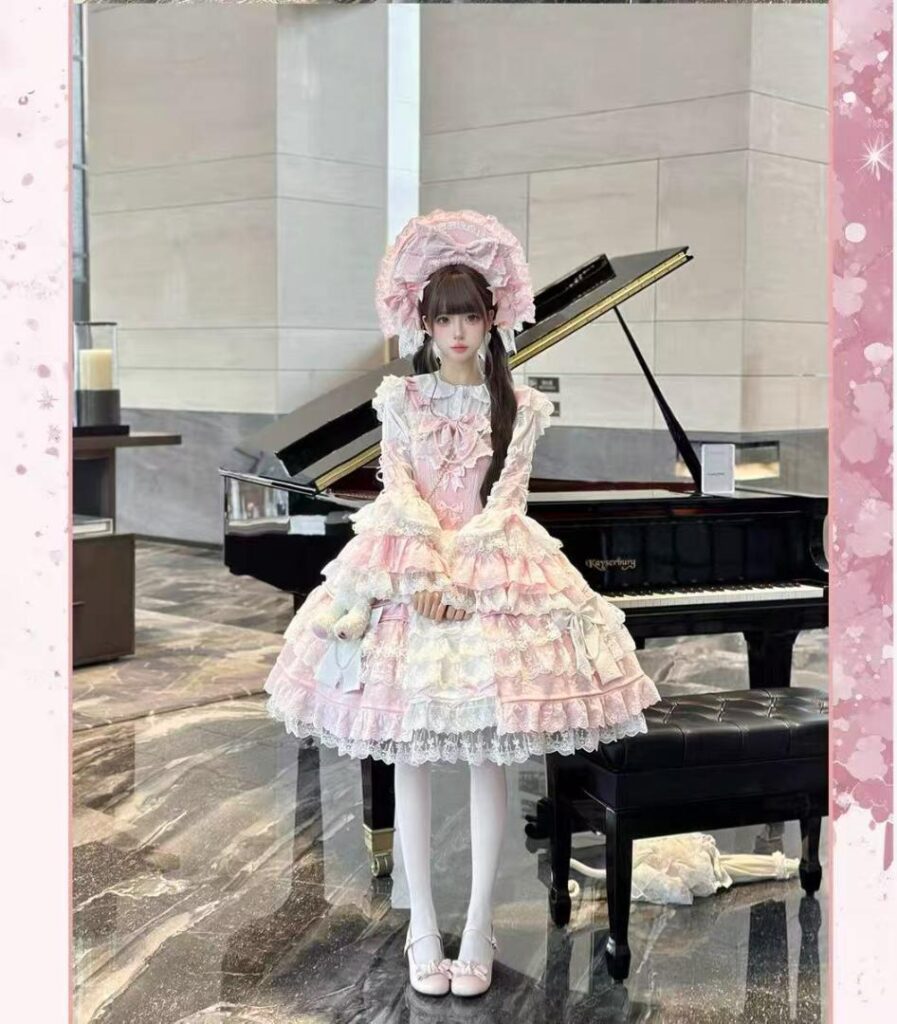
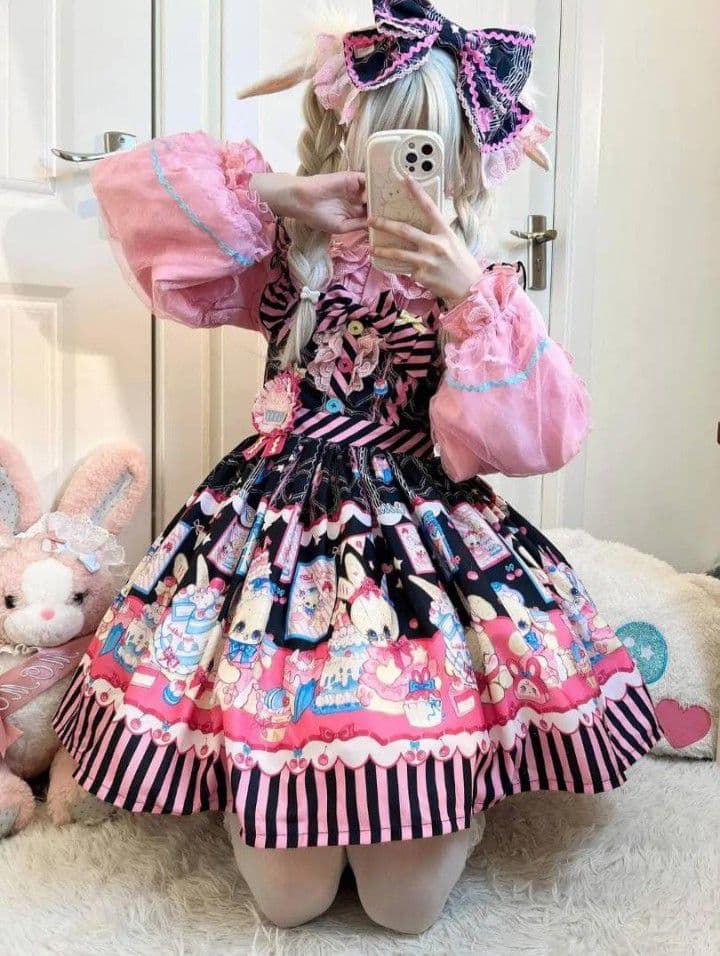
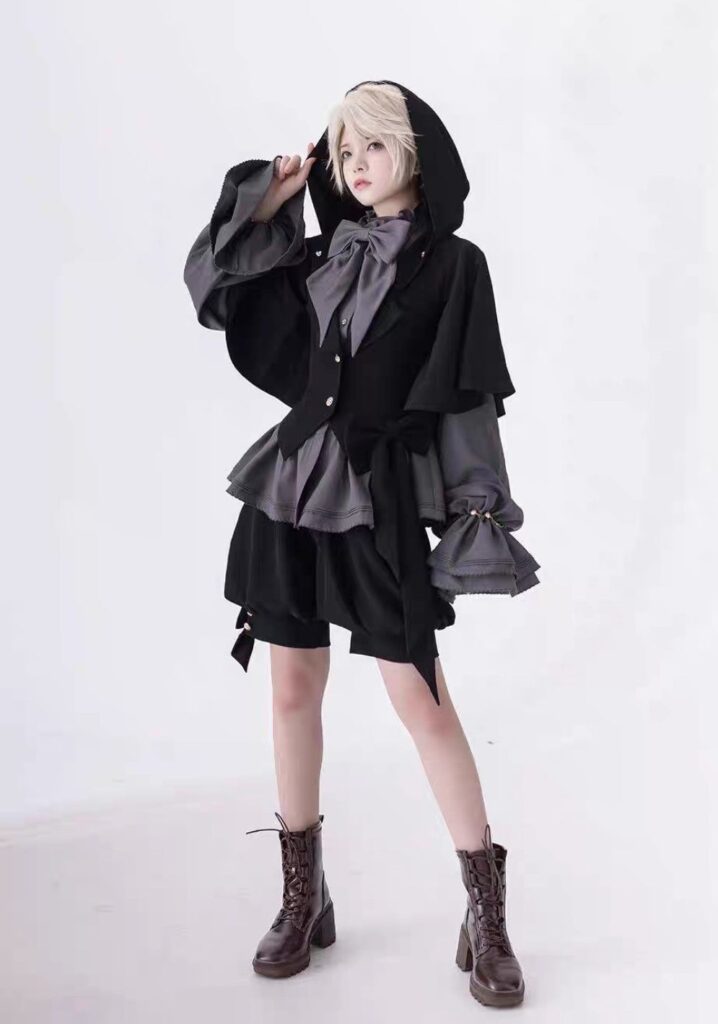
Lolita fashion is a Japanese style deeply rooted in Victorian and Rococo-era clothing, with cuteness — or kawaii — as a defining aesthetic. Elaborate dresses, petticoats, lace, and bows create silhouettes that feel more like wearable art than everyday outfits.
The style’s origins trace back to the late 1970s, when a movement called Otome (乙女, meaning “maiden”) emerged in Japan. Otome’s emphasis on modest, romantic femininity laid the groundwork for what would eventually become Lolita fashion.
Today, Lolita is typically divided into three main substyles. Gothic Lolita pairs dark colors and crosses with the signature silhouette. Classic Lolita favors muted tones and historical accuracy. Sweet Lolita leans into pastels, ribbons, and playful prints. Each substyle has its own devoted following, but all share a commitment to craftsmanship and coordinated head-to-toe looks.
Decora
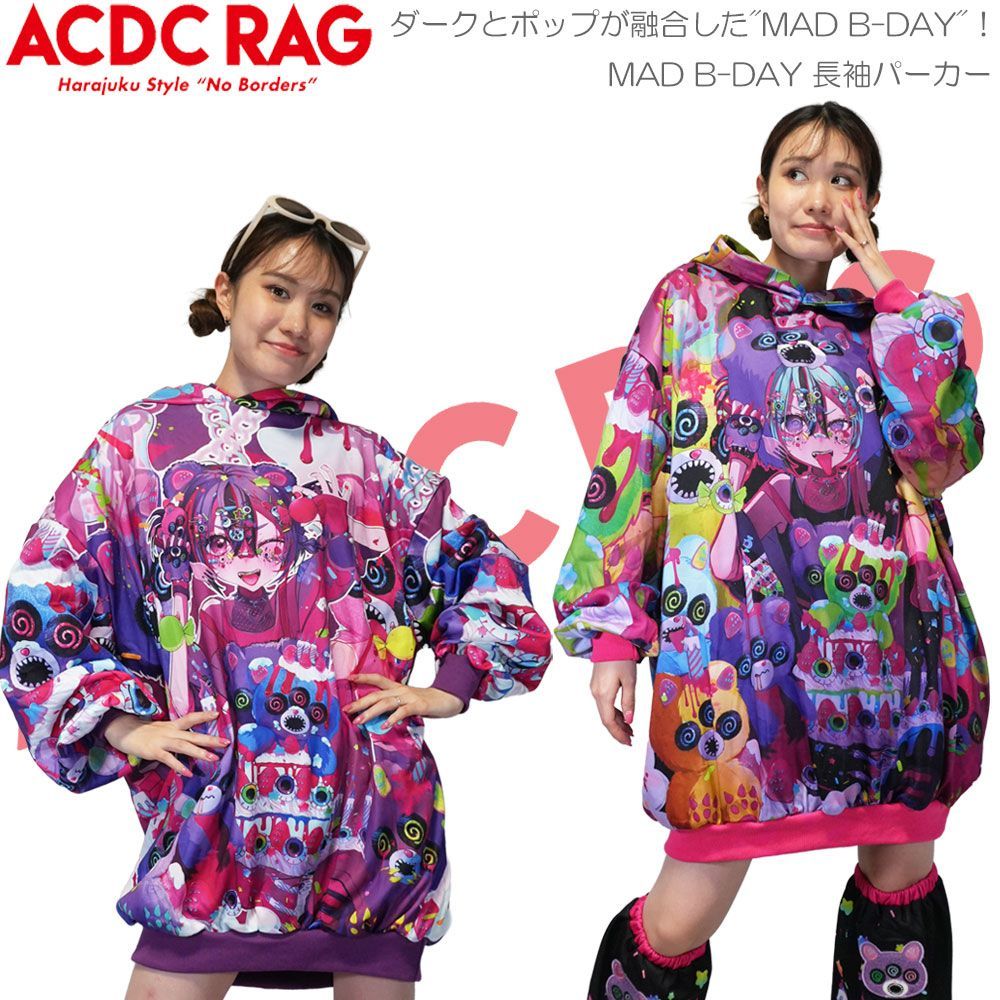
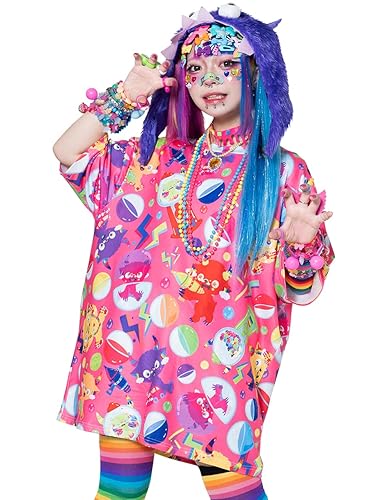
Decora — short for “decoration style” — emerged in Harajuku in the late 1990s as one of the most visually striking street fashion movements. The core idea is simple: layer as many colorful accessories as possible, often to the point where they nearly obscure the clothing underneath.
The style owes much of its early momentum to J-Pop idol Tomoe Shinohara, who popularized wearing dozens of colorful accessories and plastic jewelry at once. Her playful, over-the-top look resonated with young fans and became the blueprint for what Decora would become.
Color, character motifs, and a sense of fun drive the aesthetic. Unlike more structured styles such as Lolita, Decora has few rules — personal creativity takes priority over coordination. If it’s bright, playful, and makes you smile, it belongs in a Decora outfit.
Gothic and Visual Kei
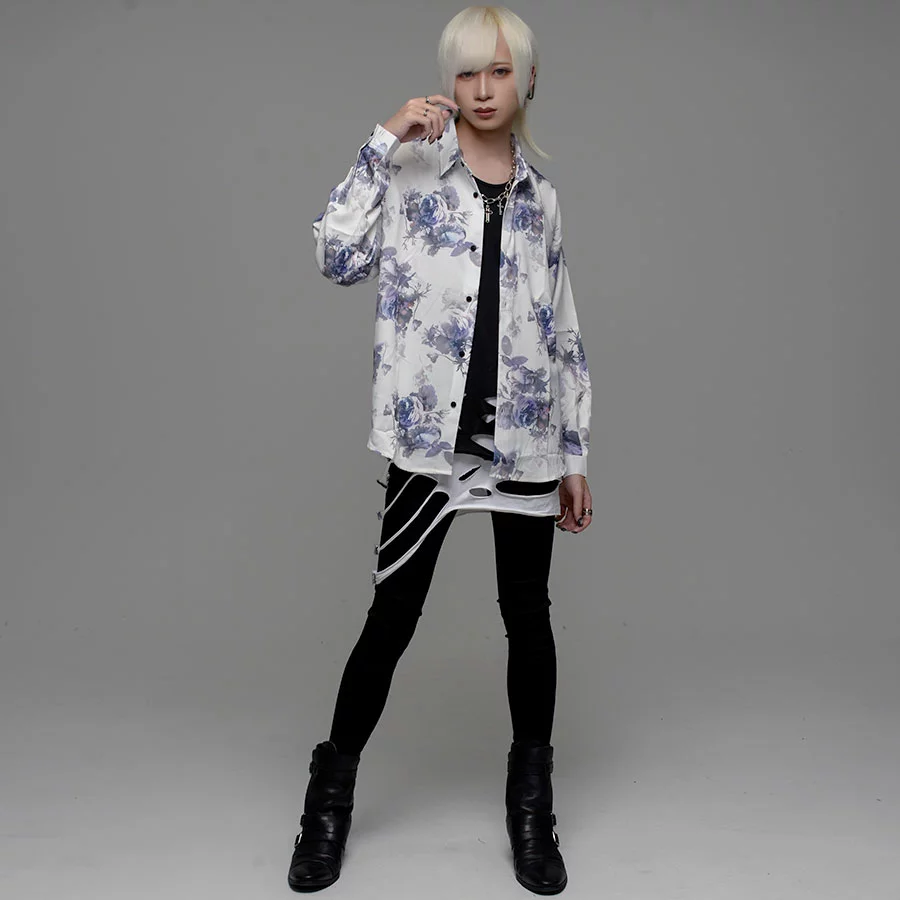
Where kawaii styles lean into color and cuteness, Harajuku’s gothic fashion takes the opposite path. All-black outfits, dark accessories, and a moody aesthetic define this corner of the scene, forming a dramatic contrast to the pastels and rainbows found elsewhere in the district.
Visual Kei, closely related in spirit, originated in Japan’s music scene in the early 1980s. Bands influenced by glam rock, heavy metal, punk, and gothic rock developed a performance style built around extravagant stage costumes and theatrical personas.
The visual hallmarks of Visual Kei overlap with gothic fashion but push further into spectacle. Elaborate and often androgynous hairstyles, dramatic makeup, and intricately detailed costumes are central to the look. For fans, adopting Visual Kei style isn’t just about clothing — it’s about channeling the same creative intensity as the musicians who inspired it.
Gyaru
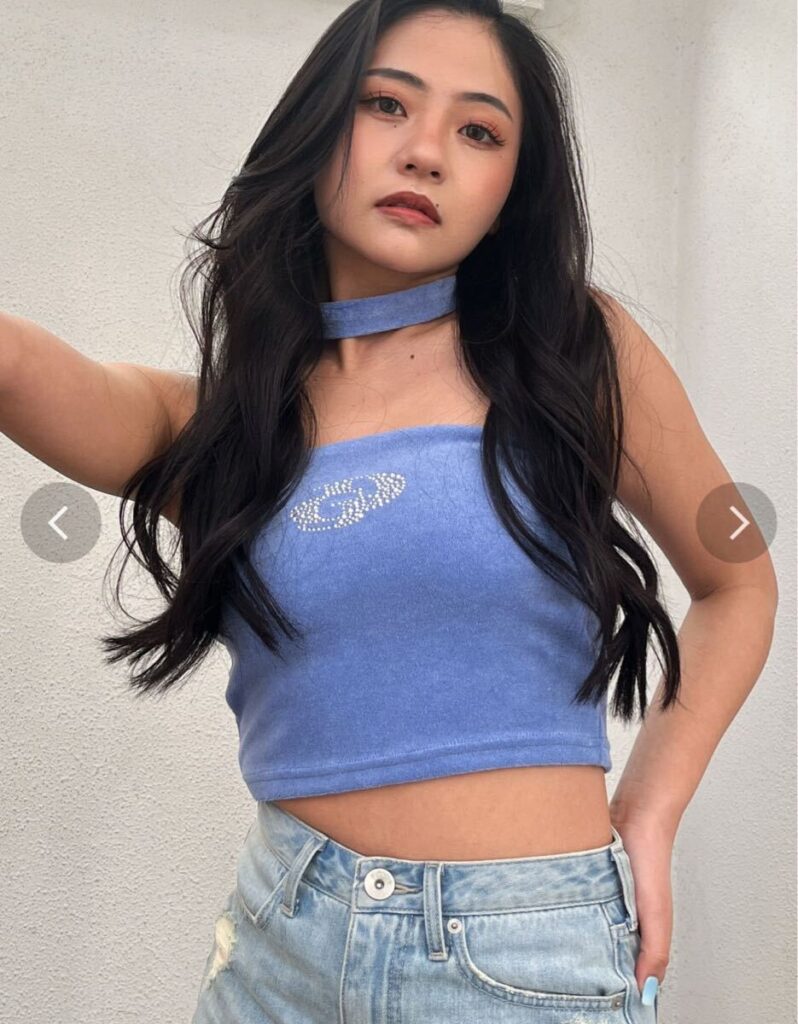
Gyaru fashion emerged as a distinct subculture in the 1990s and quickly carved out its own space with glamorous, exaggerated looks that stood apart from both mainstream fashion and other Harajuku substyles.
The style’s signature elements include tanned skin, dramatic eye makeup, bleached or lightened hair, miniskirts, platform shoes, and oversized accessories. Together, these create a bold, high-impact appearance designed to command attention.
What makes Gyaru culturally distinctive is its relationship to beauty norms. The style is often seen as an intentional departure from traditional Japanese beauty standards — particularly the ideals of pale skin and understated appearance. By embracing the opposite direction, Gyaru wearers signal a kind of defiance through glamour.
If you’re drawn to Gyaru’s mix of boldness and attitude, browsing authentic Japanese pieces can help you start building the look.
Explore Harajuku fashion items on Neokyo
Fairy Kei and Yume Kawaii
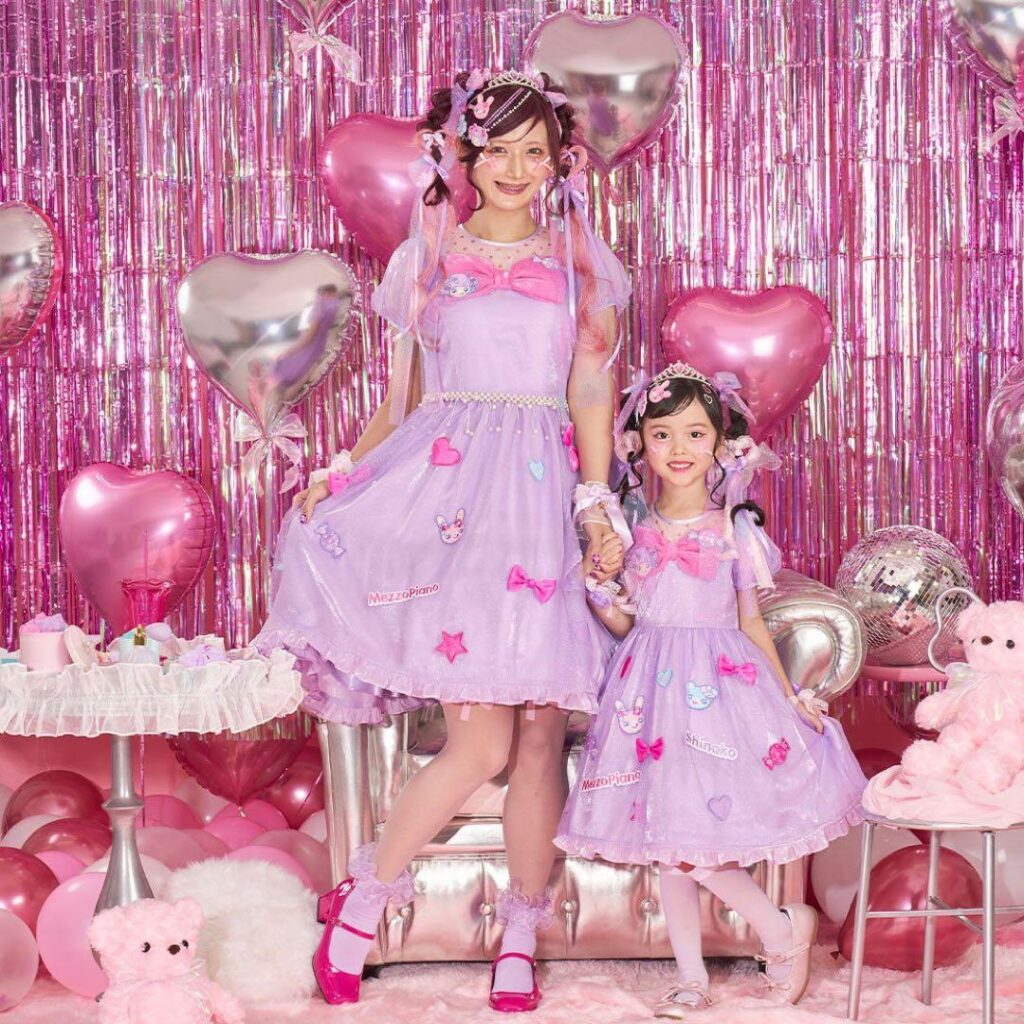
Fairy Kei stands out for its soft color palettes and nostalgic charm. The style draws heavily from 1980s American children’s culture, incorporating thrifted items like vintage cartoon-character shirts, pastel sneakers, and retro accessories into dreamy, layered outfits.
Compared to Decora, Fairy Kei takes a more restrained approach to accessories. Rather than piling on dozens of pieces, practitioners tend to select a few statement items that anchor the outfit — a vintage brooch, a pastel headband, or a character-themed bag.
Yume Kawaii (literally “dream cute”) shares Fairy Kei’s pastel foundations but leans further into fantasy. Unicorns, stars, and magical motifs appear throughout, creating what is often described as a more whimsical and dreamlike variation of the aesthetic. Where Fairy Kei looks backward to childhood nostalgia, Yume Kawaii builds an imaginary world from scratch.
Lolita vs Decora vs Gyaru: Key Differences
With so many styles to choose from, seeing the three most popular ones side by side can help you identify which direction fits your taste. The comparison below highlights what sets each apart.
| Style Name | Key Aesthetic | Signature Items | Color Palette | Vibe |
| Lolita | Victorian/Rococo elegance | Petticoat dresses, lace, bonnets | Pastels, black, white, burgundy | Refined and curated |
| Decora | Maximalist accessory layering | Hair clips, plastic jewelry, character goods | Rainbow, neon brights | Playful and chaotic |
| Gyaru | Glamorous street style | Miniskirts, platform shoes, oversized accessories | Tans, golds, pinks, leopard print | Bold and rebellious |
Lolita is the most structured of the three, with substyle-specific dress codes that guide everything from hemline length to fabric choice. Decora sits at the opposite end — it has the fewest rules, and impact comes from the sheer volume and color of accessories rather than any specific garment.
Gyaru falls somewhere in between, with makeup and skin tone serving as its most recognizable elements rather than a particular clothing silhouette. While Lolita and Decora can overlap in their use of kawaii motifs, Gyaru stands apart with its focus on glamour and a deliberately polished, high-contrast look.
How to Dress in Harajuku Style
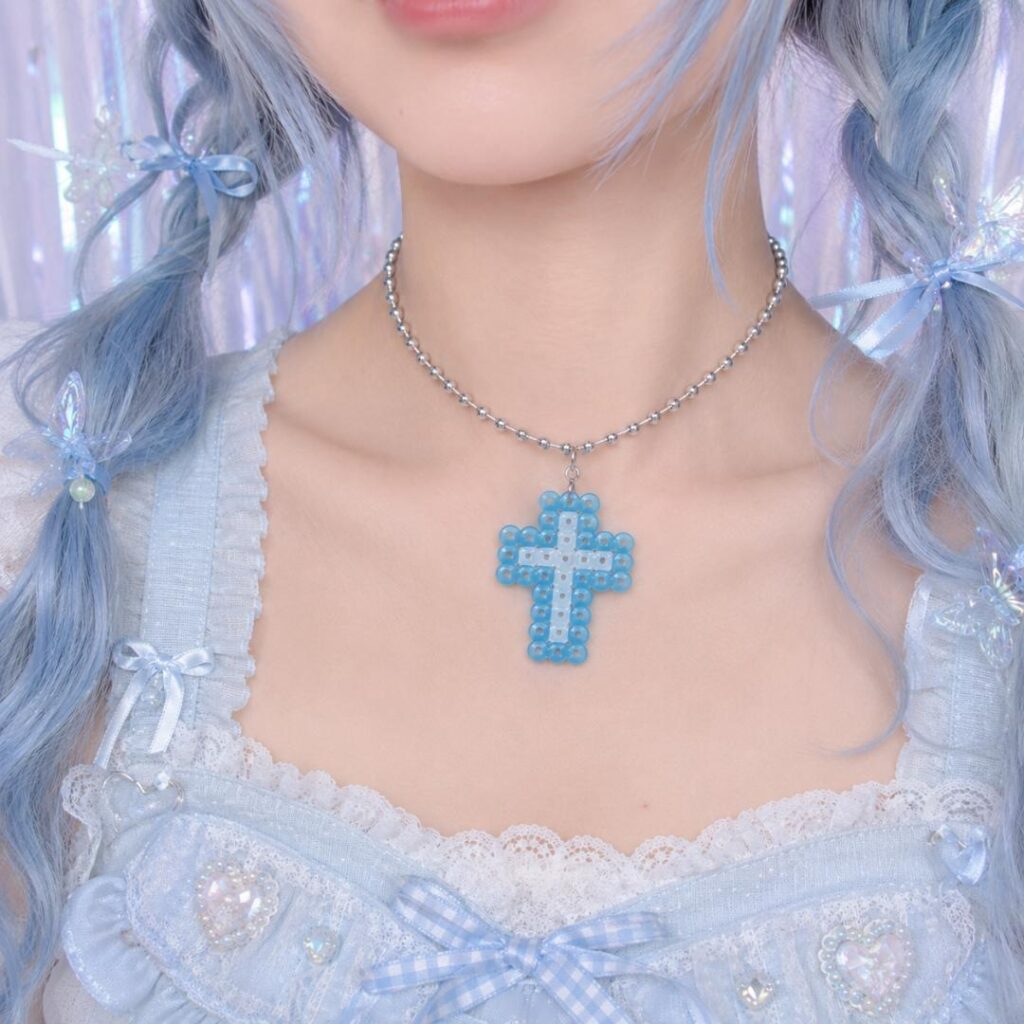
Knowing the styles is one thing — putting a look together is another. Harajuku fashion might seem intimidating at first, but the core techniques are accessible. You don’t need a closet full of Japanese brand pieces to get started; you need a willingness to experiment.
This section walks you through the building blocks:
- Layering
- Accessories
- Footwear
- Hair and Makeup
Whether you’re aiming for a full Lolita coordinate or want to add a Harajuku edge to your everyday wardrobe, these fundamentals apply across styles.
Layering
The foundation of Harajuku style is layering — specifically, the intentional mixing of different textures, patterns, and silhouettes in a single outfit. Unlike conventional fashion advice that emphasizes matching, Harajuku dressing thrives on contrast. A graphic tee under a lace-trimmed slip dress, fishnet tights paired with a tulle skirt — the unexpected combinations are the point.
This approach works for all genders. Harajuku fashion has never been bound by gendered dress codes, so the same layering principles apply whether you’re building a look around a skirt, trousers, or an oversized jacket.
If you’re new to the style, start simple and build from there.
The checklist below gives you a step-by-step starting point:
☐ Start with a simple base (plain tee + jeans or skirt)
☐ Add one or two Harajuku-style pieces (graphic tee, lace slip dress, etc.)
☐ Mix textures and patterns (fishnet + denim, plaid + lace)
☐ Layer accessories (rings, necklaces, hair clips)
☐ Finish with platform footwear to complete the silhouette
Accessories
Accessories are where a Harajuku outfit comes together. The prevailing philosophy is “more is more” — chunky rings, layered necklaces, unique bags, and statement earrings all contribute to the look’s overall impact.
What you choose depends on the style you’re going for.
The table below maps each major style to its typical accessories:
| Style | Typical Accessories |
| Decora | Hair clips, plastic jewelry |
| Lolita | Ribbons, brooches, headpieces |
| Gothic / Visual Kei | Chains, chokers, dark metals |
| Gyaru | Oversized statement pieces |
Beyond store-bought items, DIY and customization play an important role in Harajuku accessory culture. Repurposing vintage finds, hand-decorating phone cases, or assembling charm bracelets from thrift store parts are all common practices. The goal isn’t to buy a pre-packaged look — it’s to curate pieces that feel personal and reflect your own creative vision.
Footwear
Footwear anchors the entire Harajuku silhouette. Platform shoes and chunky soles are the most common thread across styles, adding height and visual weight that balances out layered, accessory-heavy outfits.
The specific choice varies by substyle. Lolita coordinates typically pair with ribbon-adorned Mary Janes that echo the look’s vintage femininity. Gothic and Visual Kei outfits lean toward buckled platform boots with a heavier, more industrial feel. Decora and Fairy Kei styles often feature colorful sneakers or pastel platforms that match the outfit’s playful palette.
Regardless of substyle, elevated footwear creates a taller, more dramatic silhouette that makes the entire outfit read as a cohesive visual statement rather than a casual everyday look. The added height also shifts proportions in ways that complement the bold layering and oversized accessories common across Harajuku styles.
Hair and Makeup
Hair and makeup serve as the finishing layer that ties a Harajuku outfit into a complete visual identity. They’re not afterthoughts — in many substyles, they carry as much weight as the clothing itself.
Color is a major element. Vibrant wigs, bold hair dyes, and clip-in extensions are all common in Harajuku fashion, letting you switch up your look without permanent commitment. The colors you choose often echo or contrast with your outfit’s palette, creating another layer of intentional styling.
Makeup varies dramatically by substyle. Lolita typically calls for a soft, doll-like look with rounded eyes and rosy cheeks. Gyaru takes the opposite approach with dramatic eyeliner, false lashes, and contoured features designed to maximize impact. Decora often adds colorful accents — a sticker on the cheek, bright eyeshadow, or painted-on freckles.
Jirai-kei (地雷系) is known for a distinctive tearful-eye makeup technique that emphasizes the under-eye area, creating a vulnerable, emotional quality that fits the style’s blend of soft and dark elements.
Where to Buy Harajuku Fashion Outside Japan
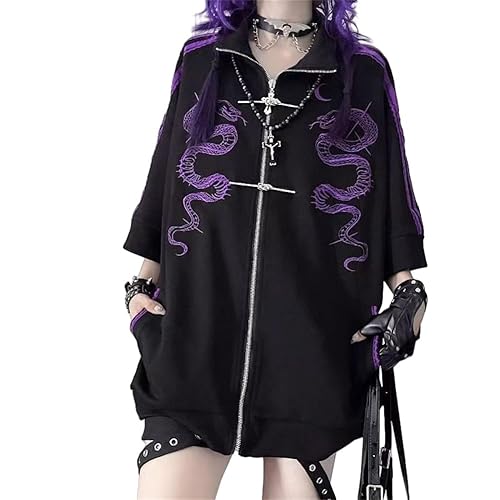
Finding Harajuku fashion outside Japan used to mean hunting through niche forums or waiting for rare international pop-up events. Today, the options are much broader — from brands that ship globally to services that unlock Japan-only marketplaces.
This section covers the main routes:
- Online Shops and Brands
- Proxy Services for Japanese Items
Both approaches have their strengths, and the right choice depends on what you’re looking for and how deep you want to go.
Online Shops and Brands
Several Harajuku-based brands now offer international shipping through their own online stores, making it possible to buy directly from the source without setting foot in Tokyo.
ACDC RAG is a Harajuku-based brand covering styles from punk and kawaii to cyberpunk. Their official online shop ships overseas, though import duties may apply depending on your destination country.
6%DOKIDOKI, founded in Harajuku in 1995 by artist Sebastian Masuda, is a long-standing name in kawaii culture. Their worldwide web shop offers accessories, clothing, and goods that reflect the district’s colorful, playful spirit, with global shipping available.
The table below compares these options at a glance.
| Shop/Brand Name | Specialty | International Shipping | Price Range |
| ACDC RAG | Punk, kawaii, cyberpunk | Available (duties may apply) | Budget to mid-range |
| 6%DOKIDOKI | Kawaii culture, colorful accessories | Available worldwide | Mid-range |
Before placing an order with any international shop, confirm three things: whether the store ships to your country, whether customs duties or import taxes may apply at delivery, and which payment methods are accepted.
Proxy Services for Japanese Items
Not every Japanese shop ships internationally — and many of the most interesting finds, especially on domestic flea market apps like Rakuma, are only available within Japan. Proxy services (purchasing agents) bridge that gap, letting you buy from Japan-only platforms regardless of where you live.
A proxy service acts as a middleman between you and the Japanese seller. You browse and select items, and the service handles the rest — purchasing, storing, packing, and shipping to your international address.
Step 1: Browse and select items on Japanese shopping sites or marketplaces
Step 2: The service purchases and stores the items at their warehouse
Step 3: When you’re ready, items are packaged and shipped to your address
Using a proxy service gives you access to Japan-exclusive and vintage items, with the option to consolidate multiple purchases into a single shipment.
This approach opens up a much wider selection than international-shipping stores alone can offer. Rare vintage pieces, limited-edition collaborations, and secondhand finds from Japanese sellers all become accessible — giving you sourcing options that go well beyond global e-commerce.
Get Authentic Harajuku Items Delivered with Neokyo
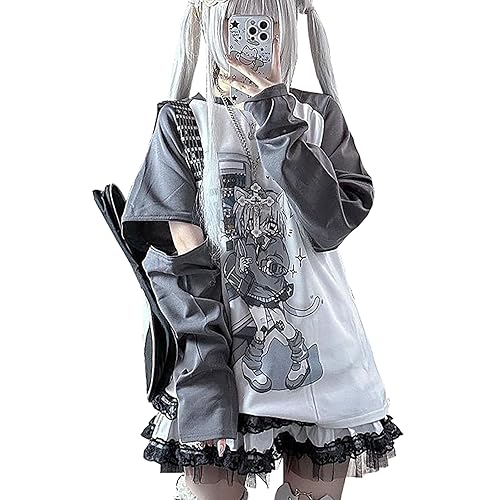
Neokyo is a proxy service that lets you purchase items from Japanese marketplaces — including Rakuma, one of Japan’s largest flea market apps — and have them shipped to your address overseas. You can search for products across major Japanese marketplaces directly on Neokyo’s platform without navigating Japanese-language sites or creating domestic accounts. Once you find something you want, submit a purchase request, and Neokyo’s team buys the item on your behalf.
The service fee is ¥350 (approximately $2) per item. Purchased items are stored for free for up to 45 days, which gives you time to collect items from multiple sellers before shipping. When you’re ready, you can consolidate everything into a single international shipment, which helps reduce shipping costs when buying from several sources at once.
For Harajuku fashion specifically, Neokyo connects you to items that rarely appear on international retail sites. Secondhand Lolita dresses, vintage Decora accessories, Gyaru wardrobe staples, and limited-run pieces from indie Harajuku brands all circulate on Japanese marketplaces — often as one-of-a-kind finds or small-quantity releases.
The combination of a ¥350 per-item fee and free storage also makes it possible to build a collection over time rather than committing to a large single order. You can pick up a rare accessory one week, add a vintage top the next, and ship everything together once you’ve found what you need.
If you’re ready to start exploring, you can browse Harajuku fashion items available on Rakuma through Neokyo’s platform.
Browse Harajuku fashion items on Neokyo
Service fees and storage terms referenced above are as of 2026. Visit Neokyo’s official site for the most current details.
Find Your Harajuku Style and Make It Your Own
Harajuku fashion isn’t about following someone else’s formula — it’s about discovering what resonates with you and building from there. Whether you’re drawn to the refined elegance of Lolita, the colorful chaos of Decora, or the bold glamour of Gyaru, the styles covered in this guide all share one thing: they reward individuality over conformity.
Start by exploring the styles that caught your eye. Pay attention to the colors, silhouettes, and moods that appeal to you most. From there, experiment with layering, accessories, and footwear to develop a look that feels like your own.
Geography doesn’t have to be a barrier. With international-shipping brands and proxy services that connect you to Japanese marketplaces, building an authentic Harajuku wardrobe is possible from anywhere in the world. The key is to start small, stay curious, and let your personal taste guide the way.
Ready to start browsing? Explore Harajuku fashion items available from Japanese sellers through Neokyo.