
What Is Gyaru Fashion? History, Substyles, and How to Get the Look
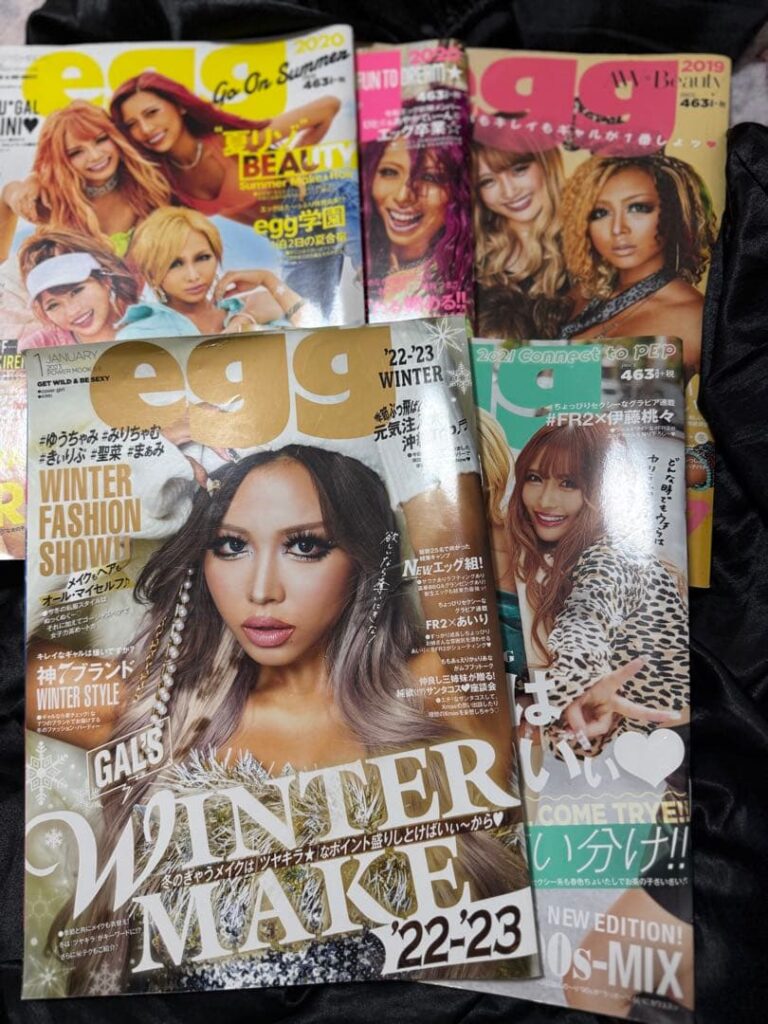
Gyaru fashion is a Japanese subculture that turned conventional beauty on its head. Born in the 1990s as a rebellion against conventional beauty standards, it grew into a movement defined by dramatic eye makeup, voluminous hair, platform shoes, and an unapologetic attitude.
But gyaru isn’t a single look. It spans dozens of substyles — from the school-uniform remix of Kogal to the princess fantasy of Hime Gyaru to the deep-tanned intensity of Ganguro — each with its own aesthetic and cultural roots. And in the Reiwa era, the subculture is experiencing a global revival driven by TikTok, Instagram, and a new generation of enthusiasts who prioritize “gyaru mind” over rigid style rules.
Whether you’re here to understand the history, compare substyles, or start building your own gyaru wardrobe, this guide covers everything you need to know.
What Is Gyaru Fashion?
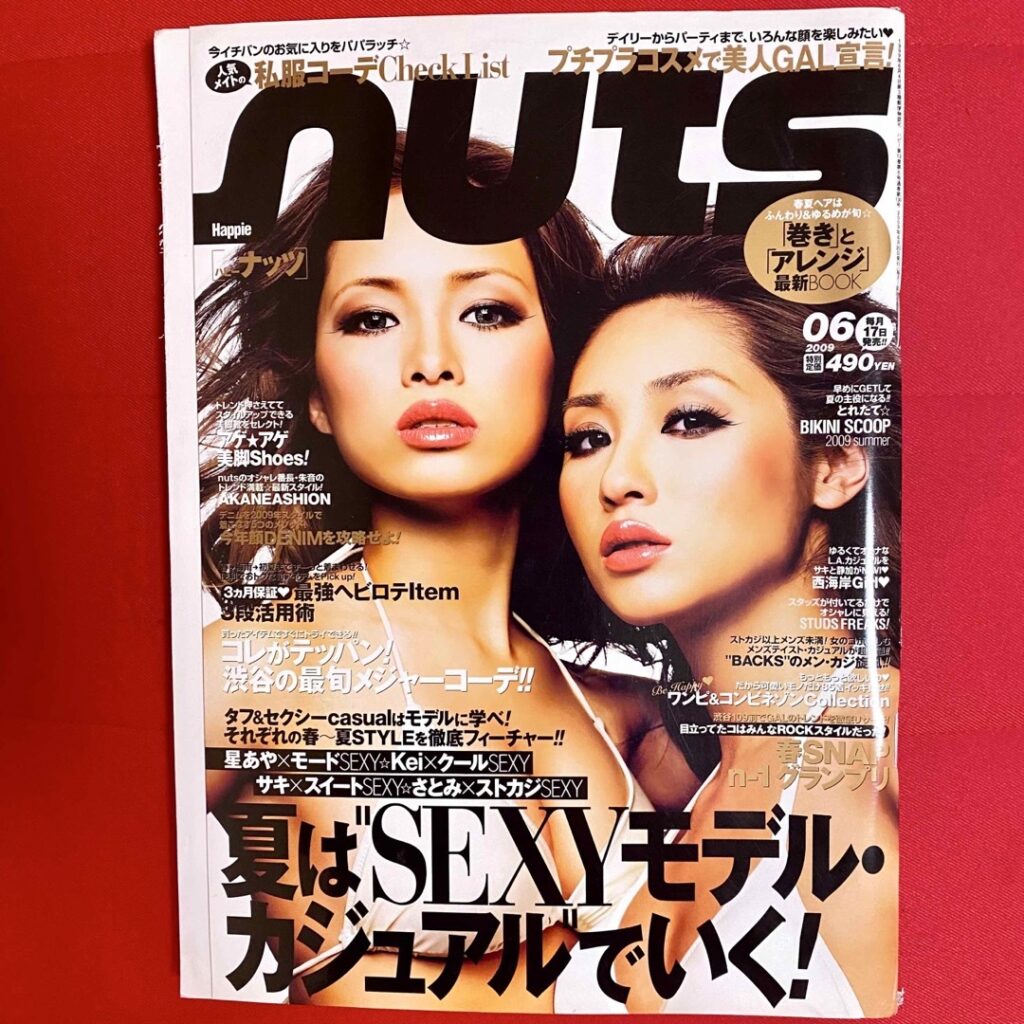
Gyaru is a Japanese fashion subculture built on bold self-expression, dramatic makeup, and a rebellious attitude toward conventional beauty. More than a passing trend, it has evolved over decades into a movement with its own history, philosophy, and diverse range of substyles.
Here, we’ll look at:
- The meaning and origin of “gyaru”
- Gyaru as a rebellion against Japanese beauty standards
Whether you first spotted the look on TikTok or stumbled across it while exploring Japanese street fashion, understanding where gyaru comes from is the first step to appreciating what it represents.
The Meaning and Origin of “Gyaru”
The word “gyaru” is a Japanese phonetic adaptation of the English slang “gal,” and its meaning has shifted dramatically over the decades.
From the prewar era through the 1980s, “gyaru” (ギャル) simply meant “a lively young woman.” The term carried no fashion connotations at the time. It gained wider public recognition in 1979 when Kenji Sawada, a major Japanese pop star of the era, released his hit song “OH! Gal.”
The shift toward a subcultural meaning began in the 1990s. Slang combined “ko” — short for “kōkōsei” (high school student) — with “gyaru,” creating “kogal” (kogyaru) to distinguish teenage gyaru from older ones. Over time, the “ko” prefix dropped away, and “gyaru” on its own became the established label for the fashion subculture.
Generational spin-offs went even further. “Mago gyaru” (孫ギャル, literally “grandchild gyaru”) appeared as a term for middle school–aged gyaru, showing that the culture extended to even younger participants.
Gyaru as a Rebellion Against Japanese Beauty Standards
Gyaru emerged as a direct counter to the beauty ideals that had shaped Japanese culture for centuries.
Traditional Japanese beauty standards prized pale white skin, long straight black hair, and understated makeup. Gyaru rejected every part of that formula, embracing tanned skin, bleached or dyed hair, and eye-catching cosmetics instead.
The timing wasn’t accidental. After Japan’s economic bubble collapsed in the early 1990s, society leaned toward conservatism and conformity. A “safety in sameness” mentality took hold — and young people pushed back against that pressure to blend in.
Broader shifts in women’s roles also set the stage. The Equal Employment Opportunity Law, enacted in 1985 as Japan’s first legislation requiring equal workplace opportunities for men and women, marked a turning point in female social participation. This growing independence created fertile ground for a subculture that celebrated standing out over fitting in.
The History of Gyaru Fashion
Gyaru fashion didn’t appear overnight. It grew out of decades of shifts in Japanese youth culture, economic upheaval, and media influence — each era leaving its own mark on the movement.
Here, we’ll trace that evolution through four key periods:
- The 1970s–1980s: From “Gal” to Bodycon
- The early 1990s: The rise of Kogal
- The late 1990s–2000s: The golden age
- The 2010s and beyond: Decline and revival
From bubble-era glamour to a TikTok-driven comeback, each chapter shaped what gyaru looks like today.
The 1970s–1980s: From “Gal” to Bodycon
Before gyaru became a subculture, “gal” was simply a word for an energetic young woman — widely used in advertisements and magazine features throughout the 1980s.
During the peak of Japan’s economic bubble, the bodycon (body-conscious) style took off. These figure-hugging dresses and suits emphasized the body’s silhouette and became popular among college students and young working women.
Meanwhile, the retail landscape in Shibuya was transforming. Shibuya PARCO opened in 1973, followed by SHIBUYA 109 — a multi-tenant fashion building in Tokyo’s Shibuya district — in 1979. Together, they positioned Shibuya as the emerging center of Japanese youth culture.
The Early 1990s: The Rise of Kogal
After the economic bubble burst in the early 1990s, a new generation of fashion rebels appeared: high school girls who shortened their uniform skirts and paired them with loose socks (long socks worn scrunched around the ankles).
The biggest catalyst was Namie Amuro, one of Japan’s most influential pop singers of the 1990s and widely regarded as the “first gyaru charisma.” Her fans, known as “Amurer” (a term for those who copied her style), drove the popularity of brown hair and platform boots.
Around the same time, “kogal” (kogyaru) — the term for teenage gyaru introduced earlier — entered everyday vocabulary. Purikura (arcade-style photo sticker machines) also took off around 1996, becoming a way for friend groups to display their social bonds — the more sticker photos you had, the more friends you could prove you had.
The Late 1990s–2000s: The Golden Age
The late 1990s and early 2000s marked gyaru’s peak, with increasingly bold styles and a thriving media ecosystem pushing the subculture into the mainstream.
Ganguro and yamanba emerged as the most extreme expressions of the movement. Yamanba took its name from a figure in Japanese folklore, reflecting just how far the style pushed beyond conventional beauty.
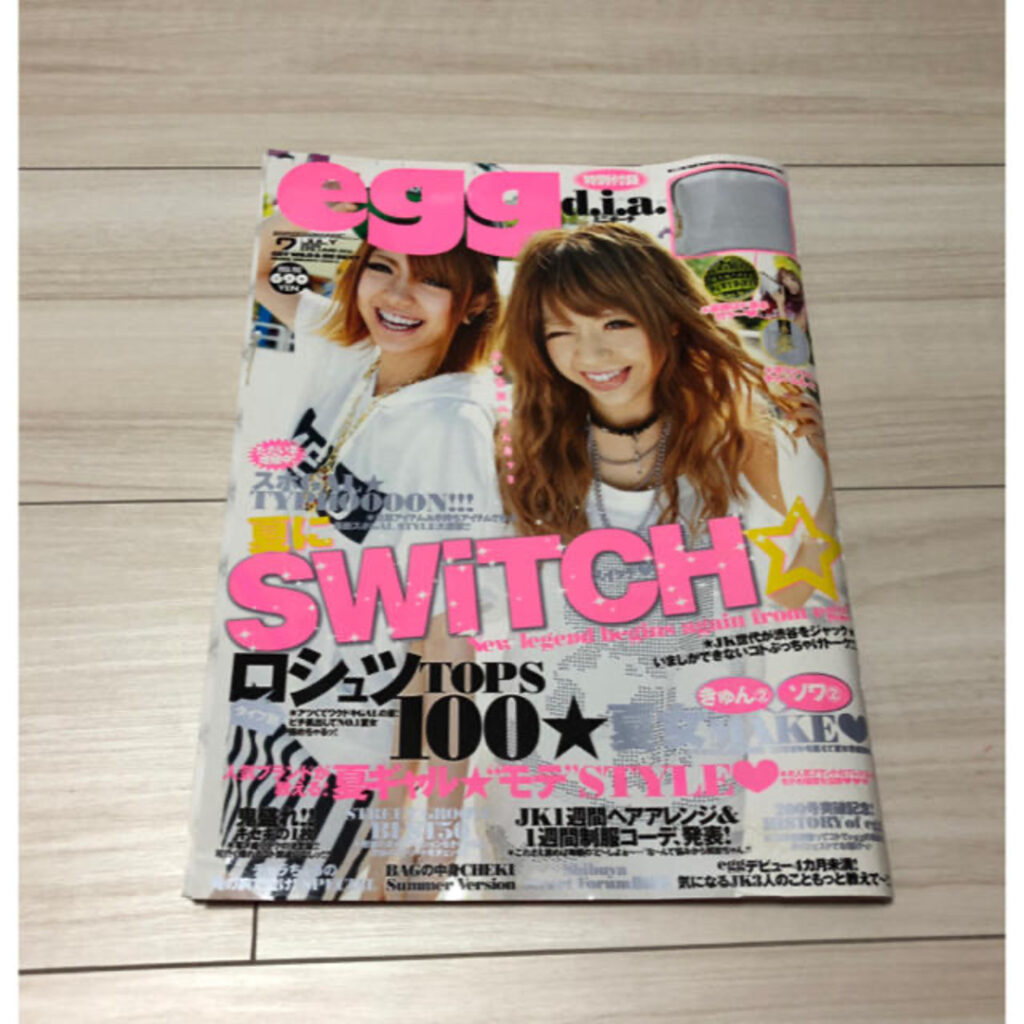
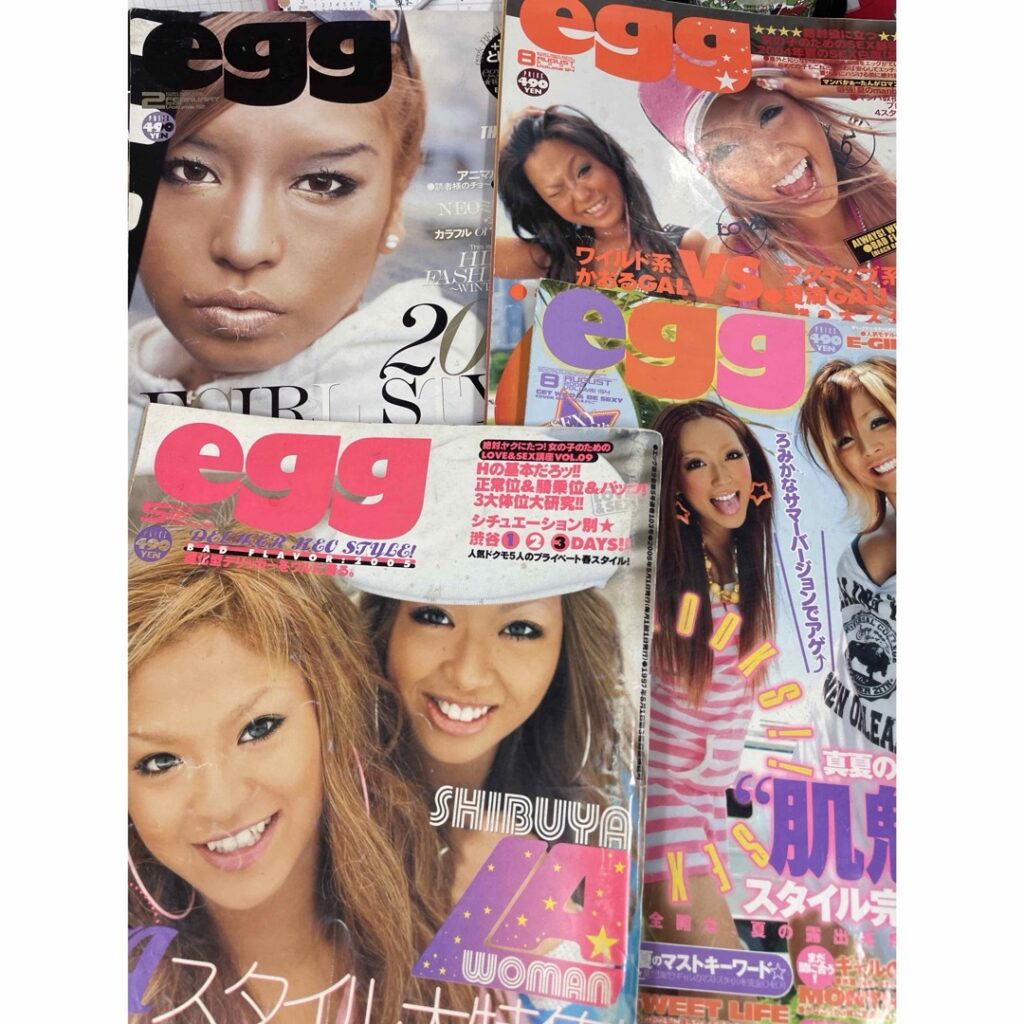
egg magazine, launched in 1995, became the subculture’s defining publication. The magazine scouted high school girls directly from Shibuya’s streets and featured them as reader models, giving street-level trends a nationwide platform.
SHIBUYA 109 evolved in parallel. The fashion building’s tenant shops shifted toward teen-focused brands, and it became the go-to destination for gyaru fashion. Brands like ALBA ROSA, me Jane, and ROCO NAILS drew devoted followings during this era.
Beyond clothing, gyaru culture extended into nightlife. Para Para — a synchronized hand-and-arm dance style — fused with Eurobeat music and became a staple of club culture tied closely to the gyaru scene.
The 2010s and Beyond: Decline and Revival
By the 2010s, the golden age was fading. Gyaru magazines folded one after another, and the subculture lost much of its mainstream visibility. egg magazine ceased publication in 2014 — though it returned as an online magazine in 2018.
The Reiwa era (2019–present) has brought an unexpected comeback. Gyaru is experiencing a revival driven by social media, with TikTok and Instagram introducing the aesthetic to a global audience. Overseas gyaru communities — often called “gaijin gyaru” — have also grown through these platforms.
The table below summarizes how gyaru fashion evolved across each era:
| Era | Years | Key Style | Key Event | Icon Brand/Person |
| Pre-Gyaru | 1970s–1980s | Bodycon | SHIBUYA 109 opened (1979) | — |
| Kogal Era | Early 1990s | School uniform remix, loose socks | Amurer phenomenon | Namie Amuro |
| Golden Age | Late 1990s–2000s | Ganguro, Yamanba | egg magazine launched (1995) | ALBA ROSA |
| Decline | 2010s | — | egg ceased print (2014) | — |
| Revival | Reiwa (2019–) | Neo-gyaru, style mixing | egg relaunched online (2018) | Gaijin gyaru community |
Key Elements of Gyaru Fashion
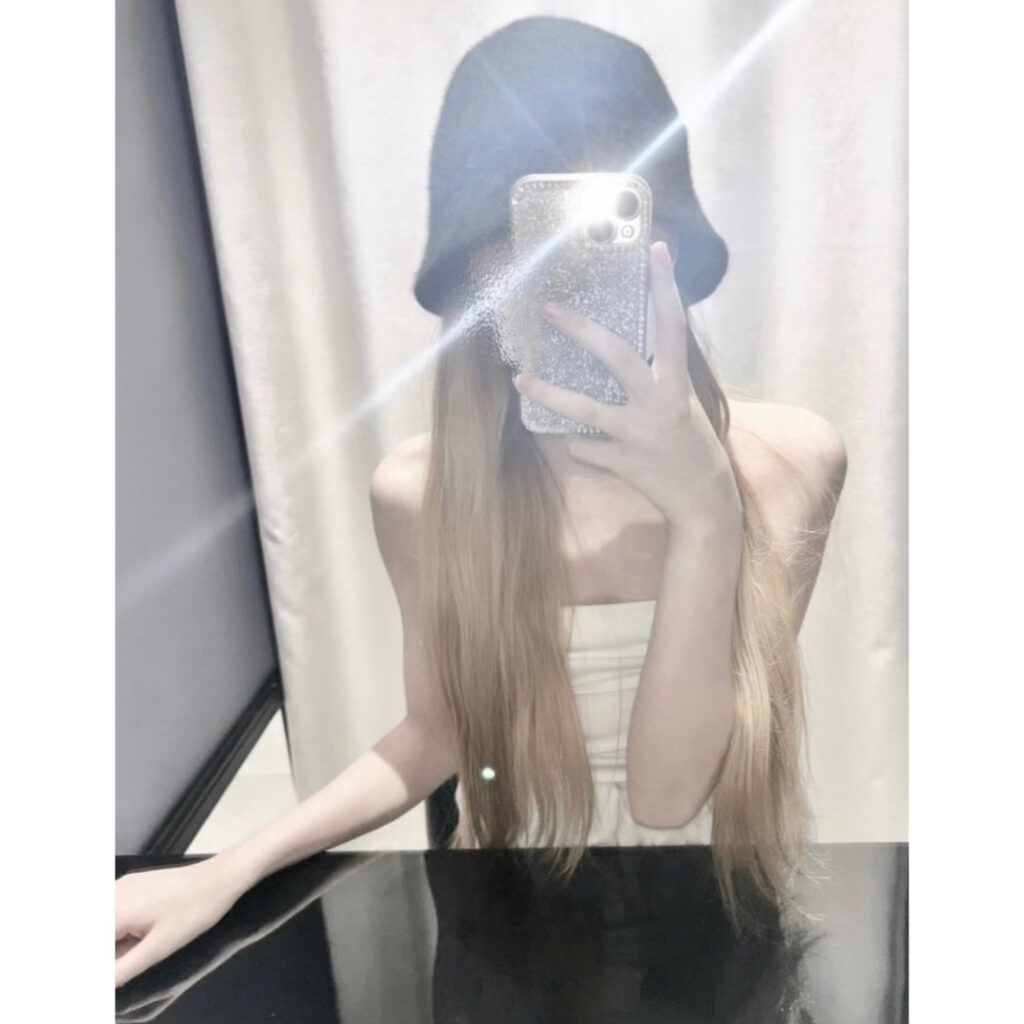
Gyaru is more than a clothing choice — it’s a complete aesthetic built on three pillars: makeup, hair, and fashion. Each element follows a shared philosophy of amplifying your presence and making a visual impact.
Here, we’ll break down the essentials:
- Makeup
- Hair
- Clothing and accessories
Understanding these core elements will help you see how different gyaru substyles share common DNA, even when they look wildly different on the surface.
Makeup
Eye makeup is the single most important element of the gyaru look. The goal is to make your eyes appear as round and dramatically large as possible.
The technique starts with black or brown eye shadow applied along the lower lash line, followed by thick eyeliner drawn in a downward curve to create a wide, doll-like eye shape. False eyelashes — specifically spiky cluster types — add volume and intensity to the upper lashes. On top of all this, circle lenses (colored contact lenses) enlarge the appearance of the iris.
Tanning is another key element across many substyles. During gyaru’s peak, tanning salons lined the streets of Tokyo’s fashion districts, and a sun-kissed or deep bronze complexion became one of the subculture’s most recognizable features. That said, some substyles deliberately maintain fair skin, so tanning isn’t universal.
For the rest of the face, gyaru follows a distinct formula. A “nose strip” — a straight highlight drawn down the bridge of the nose using concealer or white makeup — is another signature technique. Lips are kept understated, typically colored with concealer or a muted pink to keep all attention on the eyes.
Tying everything together is the concept of “moru” (盛る), which roughly translates to “to pile on” or “to boost.” In gyaru culture, moru is a styling philosophy centered on amplifying your features — making your eyes bigger, your presence bolder, and your overall look impossible to ignore.
Hair
Bleached or dyed hair is a baseline for most gyaru styles. Brown is the most common shade, but you’ll also see blonde, reddish tones, and vivid colors depending on the substyle.
Volume is everything. The signature technique is called “sujimori” (スジ盛り) — a method of backcombing the hair and setting streaks with gel to create height and texture. The result is a full, sculpted silhouette that frames the face dramatically.
Extensions and wigs are widely used to push volume and length even further. Hair follows the same moru philosophy.
Clothing and Accessories
Platform shoes — whether boots or heels — are the defining footwear of gyaru fashion. They add height to amplify your overall silhouette.
Miniskirts, hot pants, and other body-revealing clothing are characteristic of the style. Bold patterns and colors tend to dominate — leopard print, pink, and gold are among the most frequently seen choices. Decorated nails are an important form of self-expression, often featuring 3D charms, rhinestones, and elaborate acrylic designs.
Across makeup, hair, and fashion, the same moru principle applies — always build a look that demands attention.
The table below compares the key features and iconic items across all three elements:
| Element | Key Features | Iconic Items |
| Makeup | Dramatic lower-lid shadow, thick curved eyeliner, circle lenses, nose strip highlight, muted lips | Spiky cluster false eyelashes, circle lenses, concealer for nose strip |
| Hair | Bleached/dyed color, backcombed volume (sujimori), sculpted silhouette | Extensions, wigs, curling iron |
| Clothing & Accessories | Body-revealing cuts, bold prints and colors, platform footwear, elaborate nails | Platform boots, miniskirts, 3D decorated nails, leopard print items |
Gyaru Fashion Substyles
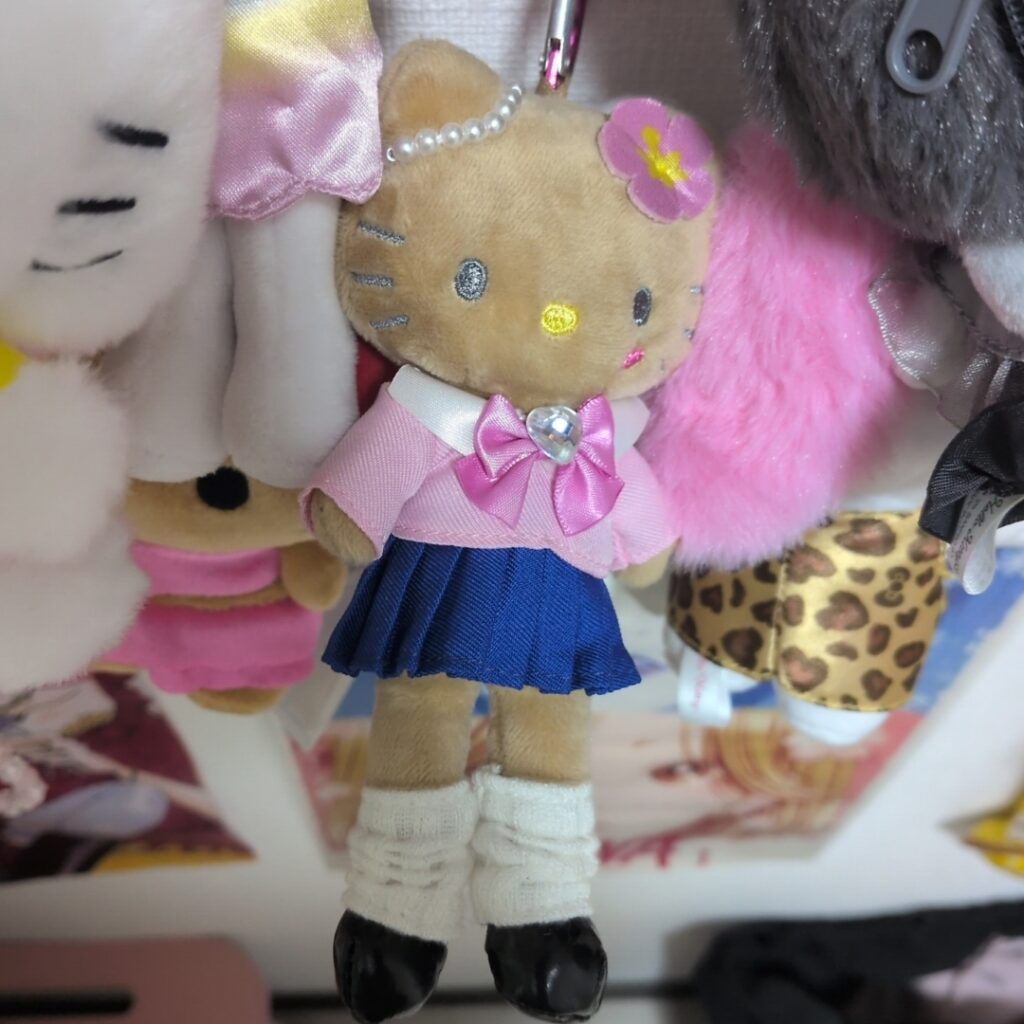
Gyaru isn’t a single look — it’s an umbrella covering a wide range of substyles, each with its own aesthetic, attitude, and cultural roots. Some lean sweet and feminine, others go dark and edgy, and a few push the boundaries of mainstream beauty as far as they’ll go.
Here, we’ll walk through seven major substyles:
- Kogal (Kogyaru)
- Ganguro and Yamanba
- Hime Gyaru
- Agejo
- Rokku Gyaru
- Onee Gyaru
- Gyaruo
Comparing them side by side can help you figure out which vibe fits you best.
Kogal (Kogyaru)
Kogal is the substyle that put gyaru on the map in the 1990s. It’s built around customized Japanese school uniforms — shortened skirts paired with loose socks (long socks worn scrunched around the ankles) and loafers.
Compared to other gyaru substyles, Kogal makeup leans more natural. Thin eyebrows and sparkly eyeshadow are characteristic, with the overall look aiming for a polished, youthful finish rather than the dramatic intensity of later styles.
Namie Amuro, one of Japan’s most influential pop singers of the 1990s, shaped the Kogal aesthetic more than anyone else. Her influence made light brown hair and a sun-kissed complexion the default for an entire generation of gyaru.
Ganguro and Yamanba
Ganguro took gyaru’s rebellion to its most visible extreme. The style is defined by a deep tan, bleached hair, and white makeup around the eyes and lips — pushing the rejection of conventional beauty as far as it could go.
Yamanba pushed that inversion even further. The name comes from the mountain witch of Japanese folklore — a figure depicted with wild, unkempt white hair — and the style matched that image with even bolder face paint and wilder hair.
The motivation behind this escalation was personal. For many who adopted these styles, blending in with a crowd of brown-haired, lightly tanned gyaru wasn’t enough to express their individuality. Ganguro and Yamanba were about standing apart, even within a subculture that already stood apart from the mainstream.
Hime Gyaru
Hime Gyaru (princess gyaru) swaps rebellion for romance. The style revolves around pink and pastel tones, lace, ribbons, and rose patterns, creating an overtly feminine, fairy-tale aesthetic.
Dresses and skirts draw heavily from the Rococo era, with structured silhouettes, layered fabrics, and ornate detailing. The overall effect is closer to a European princess fantasy than to the street-tough energy of other gyaru substyles.
Brands like Jesus Diamante and La Pafait are representative of this look, offering high-end pieces that match the substyle’s polished, luxury-oriented identity.
Agejo
Agejo grew out of Japan’s hostess club culture — nightlife establishments where female staff entertain guests through conversation and hospitality. The style channels that world’s glamorous, high-impact energy.
Heavy makeup, body-hugging dresses, and lavish accessories are considered hallmarks of the Agejo look. Koakuma Ageha magazine (a gyaru fashion magazine targeting hostesses) drove the substyle’s popularity, giving it a dedicated media platform and a loyal readership.
Rokku Gyaru
Rokku Gyaru draws its inspiration from rock music, blending gyaru’s signature boldness with a darker, edgier palette.
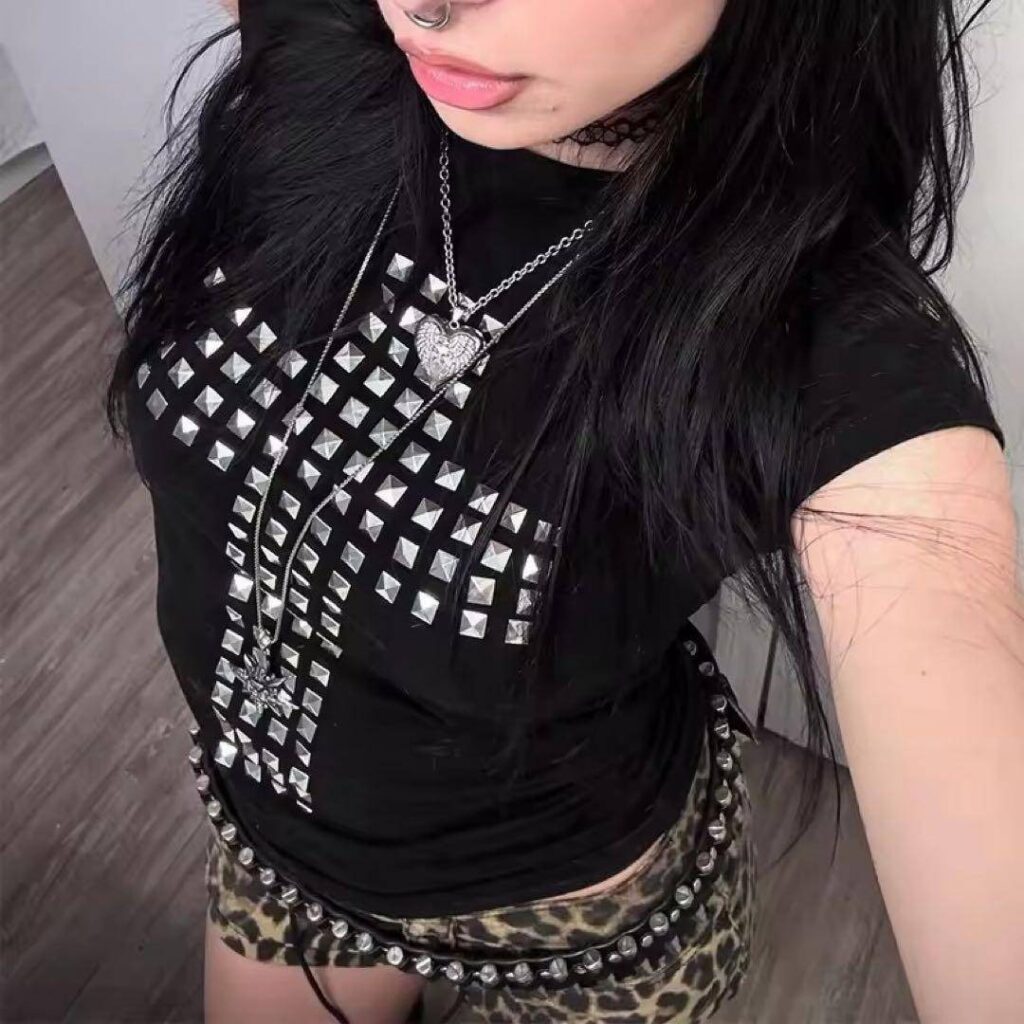
Leather, studs, and dark colors are considered defining features of the style. The result mixes gyaru’s amplified makeup and hair with the rebellious visual language of rock fashion.
One common point of confusion: Rokku Gyaru is often mixed up with Goshikku Gyaru (gothic gyaru), but the two are separate substyles. Rokku leans toward rock and punk influences, while gothic gyaru pulls from a different aesthetic tradition entirely.
Onee Gyaru
Onee Gyaru — from “onee-san,” meaning “older sister” — represents the grown-up, refined end of the gyaru spectrum.
Brand-conscious and polished, Onee Gyaru practitioners incorporate high-end labels like Louis Vuitton into their wardrobe. The style maintains gyaru’s core makeup and hair techniques but pairs them with clothing that tracks closer to mainstream fashion trends than to subcultural uniforms.
The result is a look that reads as sophisticated rather than street, making it one of the most accessible entry points for those drawn to gyaru’s attitude but not its most extreme aesthetics.
Gyaruo
Gyaru isn’t exclusively feminine. Gyaruo (ギャル男) is the male counterpart — a coined term combining “gyaru” with “o” (男, meaning male).
Gyaruo shares several core elements with female gyaru: deep tans, dyed hair (typically brown), and voluminous, carefully styled hair.
men’s egg magazine, launched as a sibling publication to egg, served as the go-to media outlet for gyaruo fashion and helped establish the substyle’s identity within the broader gyaru community.
The table below compares all seven substyles at a glance:
| Substyle | Skin Tone | Makeup Style | Hair | Clothing | Era |
| Kogal | Light tan | Natural, thin brows, sparkly shadow | Light brown | Modified school uniforms, loose socks | Early 1990s |
| Ganguro | Deep tan | White eye/lip makeup, bold contrast | Bleached blonde | Colorful, high-impact outfits | Late 1990s |
| Yamanba | Deep tan | Heavy white face paint | Wild, bleached, chaotic | Extreme, layered accessories | Late 1990s–2000s |
| Hime Gyaru | Fair | Feminine, soft pink tones | Curled, often light brown | Rococo-inspired dresses, lace, ribbons | 2000s |
| Agejo | Varies | Heavy, glamorous, seductive | Voluminous, styled | Body-hugging dresses, lavish accessories | 2000s |
| Rokku Gyaru | Varies | Bold with dark tones | Dyed, often dark or vivid | Leather, studs, dark colors | 2000s |
| Onee Gyaru | Varies | Polished gyaru base | Styled, trend-conscious | High-end brands, refined silhouettes | 2000s– |
How Gyaru Fashion Has Changed Since the Golden Age
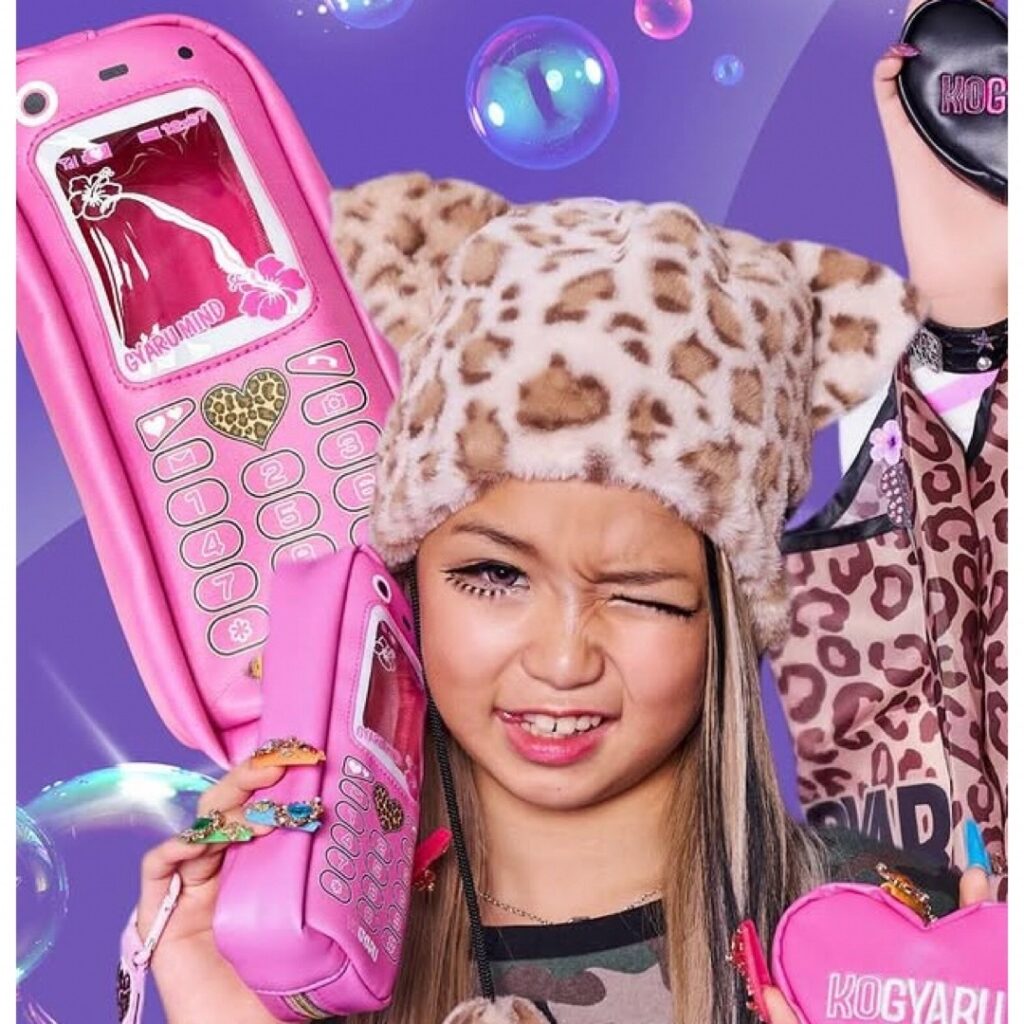
Gyaru hasn’t disappeared — it has transformed. The subculture that once revolved around strict dress codes and magazine-driven trends now operates on a completely different set of principles.
Here, we’ll look at three major shifts:
- From strict rules to gyaru mind
- From magazines to TikTok
- From “moru” to minimal
If you’re discovering gyaru today, understanding these changes will help you see how the movement has adapted — and why it may be more welcoming to newcomers than ever before.
From Strict Rules to Gyaru Mind
During the Heisei era, each gyaru substyle came with a clear set of rules — specific makeup techniques, designated brands, and defined stances on tanning. Straying from the formula meant straying from the substyle.
That rigidity has loosened in the Reiwa era (2019–present). Today, “gyaru mind” — a mindset centered on confidence, independence, and resistance to social conformity — carries more weight than any specific visual checklist.
This shift has opened the door to mixing. Blending gyaru elements with other styles — Y2K fashion, jirai-kei, street fashion, and more — has become a common and accepted practice rather than a violation of subcultural norms.
From Magazines to TikTok
In the Heisei era, print magazines were the engine of gyaru culture. Publications like egg, Popteen, and Koakuma Ageha dictated what was trending, which brands mattered, and who the style icons were.
That media landscape has shifted entirely. TikTok, Instagram, and X (formerly Twitter) have replaced magazines as the primary platforms for sharing gyaru looks, tutorials, and community discussions.
Along the way, gyaru has gone global. Overseas gyaru communities — often called “gaijin gyaru” (gyaru practitioners outside Japan) — have grown steadily through social media, connecting enthusiasts across borders.
From “Moru” to Minimal
Heisei-era gyaru was defined by the “moru” (盛る) philosophy: pile on everything. Platform boots added height. Voluminous hair amplified the face. Heavy eye makeup made features as large and dramatic as possible.
Reiwa-era gyaru has moved toward a more restrained approach. Base makeup tends to be lighter and more natural. Tanning is toned down, with many opting for their natural skin tone or only a subtle warmth. False eyelashes have gotten smaller, eyeliner thinner, and contouring more subdued.
The table below highlights the key differences between Heisei and Reiwa gyaru:
| Aspect | Heisei Gyaru | Reiwa Gyaru |
| Rules | Strict substyle-specific codes | “Gyaru mind” — attitude over appearance |
| Media | Print magazines (egg, Popteen, Koakuma Ageha) | TikTok, Instagram, X |
| Styling | Maximum moru — heavy makeup, big hair, tall platforms | More natural base, smaller lashes, thinner liner |
| Brand Focus | Dedicated gyaru brands, some high-end labels | Mix of fast fashion, vintage, and gyaru staples |
Gyaru Fashion and Cultural Sensitivity
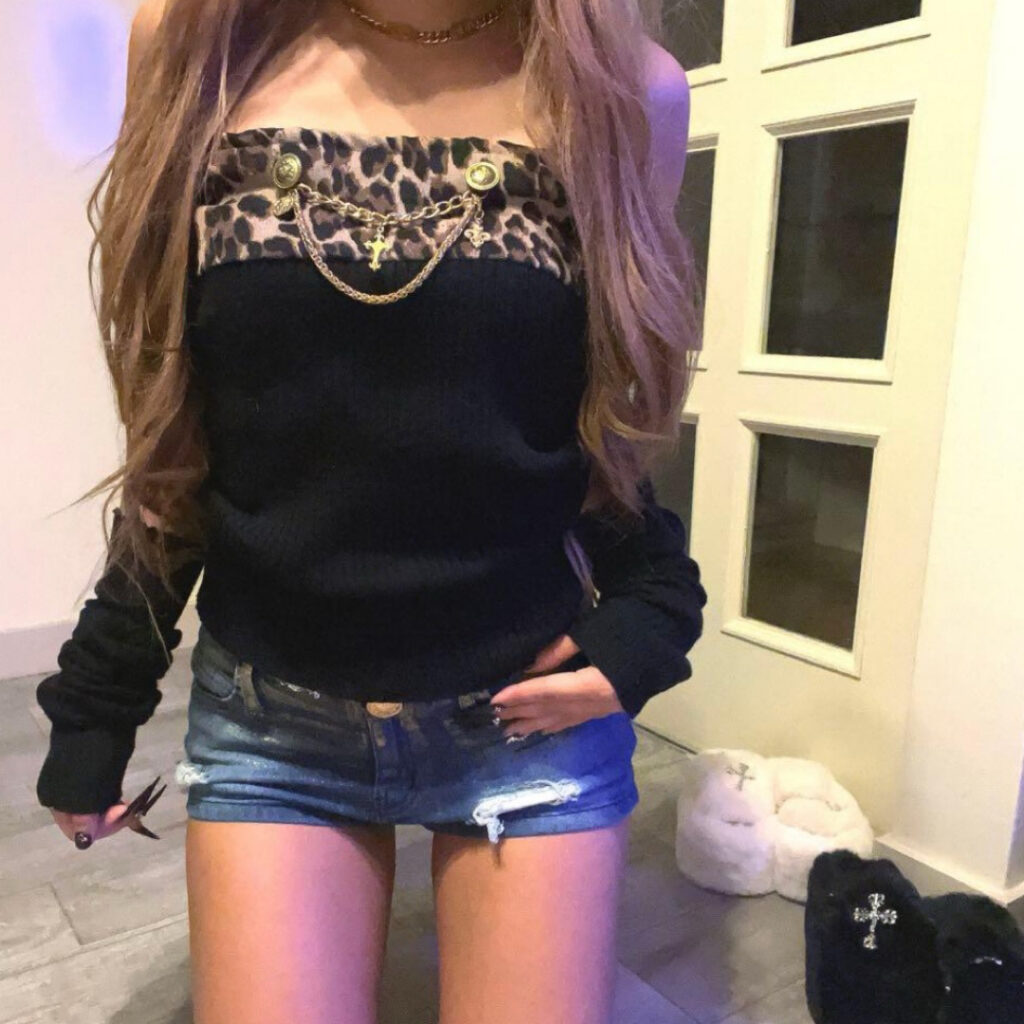
As gyaru reaches a global audience, questions about its cultural meaning and boundaries have become part of the conversation. These are worth addressing directly — especially if you’re considering adopting the style from outside Japan.
Here, we’ll cover two topics that come up frequently:
- Is “gyaru” an insult?
- Gyaru and race
Understanding the cultural context behind gyaru can help you engage with it thoughtfully and confidently.
Is “Gyaru” an Insult?
It depends on context — but the word itself isn’t inherently negative.
The word “gyaru” traces back to the English “gal,” meaning a young woman. There’s nothing inherently derogatory about the term’s origin. For participants in the subculture, calling yourself gyaru is a statement of identity and pride, not an insult.
That said, how the word lands depends on who’s using it and how. In some contexts, “gyaru” can carry a dismissive or negative tone — particularly when used by outsiders to stereotype or mock. The word itself isn’t the issue; the intent and situation behind it are what determine whether it feels respectful or reductive.
Gyaru and Race
Ganguro’s deep tanning has led to a recurring question: is gyaru based on imitating Black people? The origins of the style offer some context.
Ganguro emerged as a rejection of the pale-skin ideal — the heavy tanning was a direct challenge to that specific cultural standard, not an imitation of any particular racial group.
At the same time, the global expansion of gyaru has brought new voices and new discussions into the community. Black gyaru practitioners have built a growing presence on TikTok and other platforms, drawn to the subculture’s core spirit of defying conventional beauty standards — a message that resonates across racial and cultural lines.
Discussions around colorism (discrimination based on skin tone) exist within the gyaru community, and tensions around visibility and representation remain an ongoing topic among practitioners.
- “Gyaru” is not an insult — it’s a subcultural identity rooted in self-expression
- Approach the culture with an understanding of its Japanese origins and the values behind it
- If you choose to tan, do so in moderation and with awareness of the cultural conversations around skin tone
How to Start Wearing Gyaru Fashion
You’ve learned the history, explored the substyles, and understand the cultural context. Now it’s time to put together your own look.
Here, we’ll cover the practical side:
- Essential items for beginners
- Gyaru fashion brands
- Where to buy authentic gyaru items from Japan
Getting started doesn’t require a complete wardrobe overhaul — a few key pieces can take you a long way.
Essential Items for Beginners
If you’re building a gyaru look from scratch, start with the items that have the biggest visual impact. Here’s a priority checklist:
☐ False eyelashes (spiky cluster type)
☐ Black or brown eyeliner
☐ Circle lenses
☐ Platform boots or heels
☐ Curling iron or hair straightener
☐ Leg warmers or loose socks
False eyelashes and eyeliner come first because eye makeup is the foundation of any gyaru style. Circle lenses complete the signature gyaru eye look, and platform shoes add the height boost that’s central to the style.
From there, a curling iron or straightener lets you create the volume and texture that gyaru hair demands. Leg warmers or loose socks round out the essentials, giving your outfit that distinctly gyaru silhouette from head to toe.
Gyaru Fashion Brands
Several Japanese brands have become synonymous with the gyaru look. Here are five of the most recognized names:
MA*RS is a long-standing staple of gyaru fashion, known for its bold, feminine designs. Liz Lisa is the go-to brand for hime-casual style, offering soft, romantic pieces with floral prints and ribbon details. Cecil McBee built its reputation as one of SHIBUYA 109’s anchor tenants, catering to the mainstream gyaru audience.
ALBA ROSA stands as an icon of the 1990s golden age. EGOIST is another well-known name in gyaru fashion.
| Brand | Style | Known For |
| MA*RS | Bold, feminine | Long-standing gyaru staple |
| Liz Lisa | Hime-casual | Floral prints, ribbons, romantic pieces |
| Cecil McBee | Mainstream gyaru | SHIBUYA 109 anchor tenant |
| ALBA ROSA | 1990s golden-age | Iconic status, vintage appeal |
| EGOIST | Trend-conscious | Edgy, fashion-forward pieces |
Many of these brands’ items are available on Japanese secondhand marketplaces.
Browse gyaru fashion items on Neokyo
Where to Buy Authentic Gyaru Items from Japan
A proxy buying service like Neokyo lets you shop Japanese secondhand marketplaces — like Mercari Japan and Rakuma — from anywhere in the world. These platforms are among the richest sources for authentic gyaru items.
There’s one catch: most of these marketplaces only ship within Japan, so you can’t purchase directly if you’re based overseas. A proxy service handles the purchasing and ships items internationally. Keep in mind that proxy service fees and international shipping costs apply on top of the item price.
Search for gyaru fashion items on Neokyo
Shop Gyaru Fashion on Japanese Marketplaces with Neokyo
Gyaru fashion is built on bold self-expression — and collecting pieces that match your favorite substyle is where it starts. Japanese secondhand marketplaces are filled with authentic gyaru items, from vintage pieces to everyday staples.
With Neokyo, you can search these marketplaces from anywhere in the world, place orders through the platform, and have your finds shipped directly to you.