

A Comprehensive Guide to Yu-Gi-Oh! Card Rarities | Types, Identification, and High-Value Cards
Born in 1999, the “Yu-Gi-Oh! Official Card Game (OCG)” is now one of the most famous trading card games in the world. Over its history of more than 20 years, countless cards have been released. In particular, cards with rare rarities or limited production runs are traded at high prices in the collector’s market. This article introduces the types of Yu-Gi-Oh! card rarities and how to identify them.
What is Yu-Gi-Oh! OCG?
“Yu-Gi-Oh! OCG” is an official trading card game developed and operated by KONAMI, characterized by Duels utilizing Monster, Spell, and Trap cards. As the series has evolved, so have the card types, processing technologies, and designs, increasing their value not only for gameplay but also for collection. Early edition cards and limited tournament distribution cards can be worth thousands of dollars depending on their condition.
Rarity Types and Features
Yu-Gi-Oh! cards have various rarities depending on the printing and foil processing. While names may vary by official series or pack, the main classifications are as follows:
Rarity List
| Rarity | Abbr. | Features |
| Normal | N | Standard card with no foil. High pull rate. |
| Normal Rare | NR | A special slot that rarely appears among standard Normal cards. |
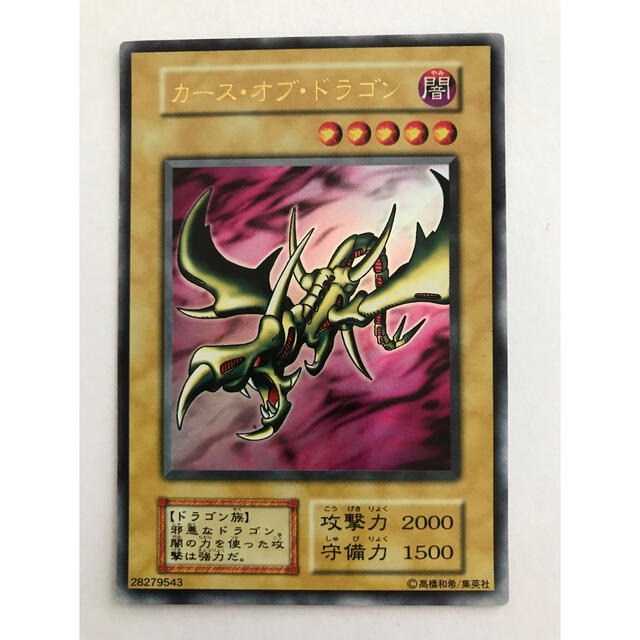
| Rare | R | Silver foil on the card name. No hologram on the art. |
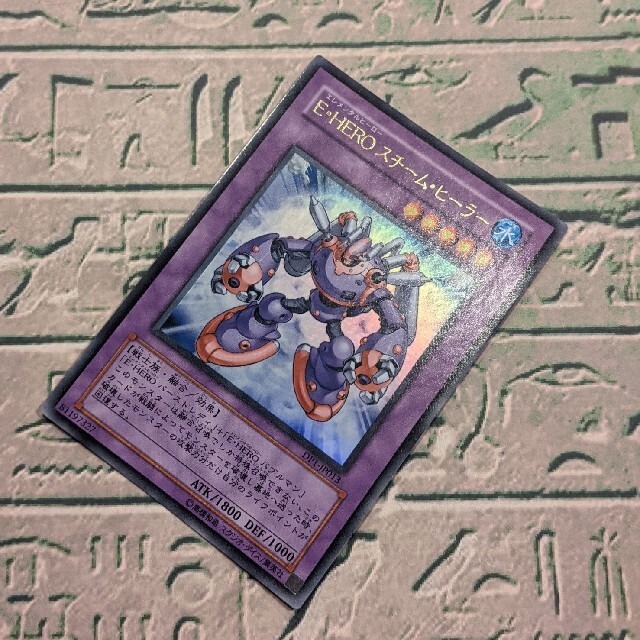
| Super Rare | SR | Holographic finish on the illustration. |
| Ultra Rare | UR | Holographic illustration and Gold foil name. |
| Ultimate Rare (Relief) | Ultimate | Embossed, 3D texture on the illustration. Strong gloss. |
| Secret Rare | SEC | Detailed holographic pattern across the card, Silver foil name. |
| Parallel Rare | P | Special specification with glossy coating lines across the entire surface. |
| Prismatic Secret Rare | Prismatic | Modern high-end processing. Features rainbow-colored reflections. |
| Holographic Rare | Holographic | The entire card shines three-dimensionally. One of the highest tiers. |
| 20th / 25th Secret | 20th/25th | Commemorative limited specs. Appears only during anniversary years. |
Points for Identification
Yu-Gi-Oh! cards differ in text foil, illustration processing, and light reflection for each rarity.
- R (Rare): Silver text, standard printing for illustration.
- SR / UR: Holographic illustration. UR has Gold text.
- Relief (Ultimate): Textured, 3D embossed processing.
- SEC (Secret): Fine glitter pattern in the background, Silver text.
- Prismatic: New processing with rainbow light running vertically and horizontally.
- Holographic: The entire card shines with a 3D effect, glowing like glass.
Rare (R)
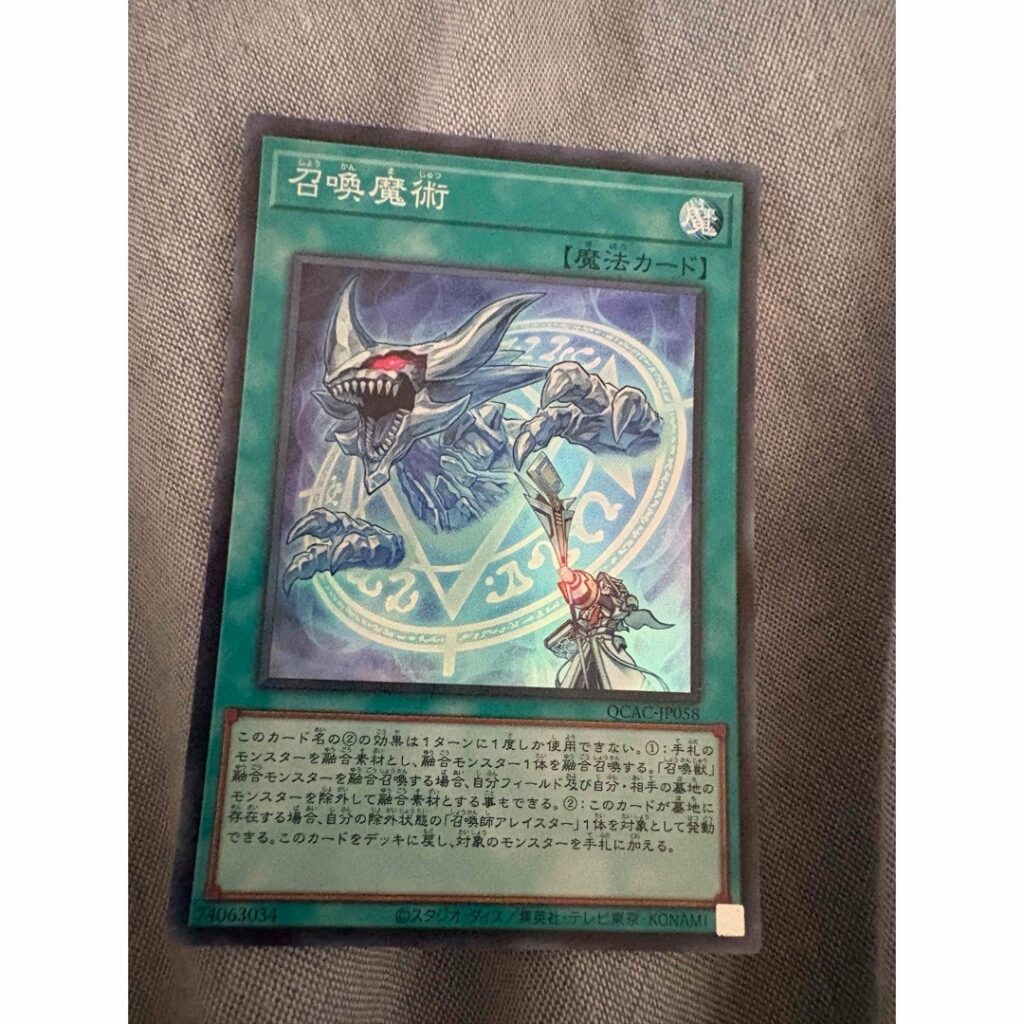
Super Rare (SR)

Ultra Rare (UR)
Note: Often referred to as “Relief” in the context of Japanese cards.
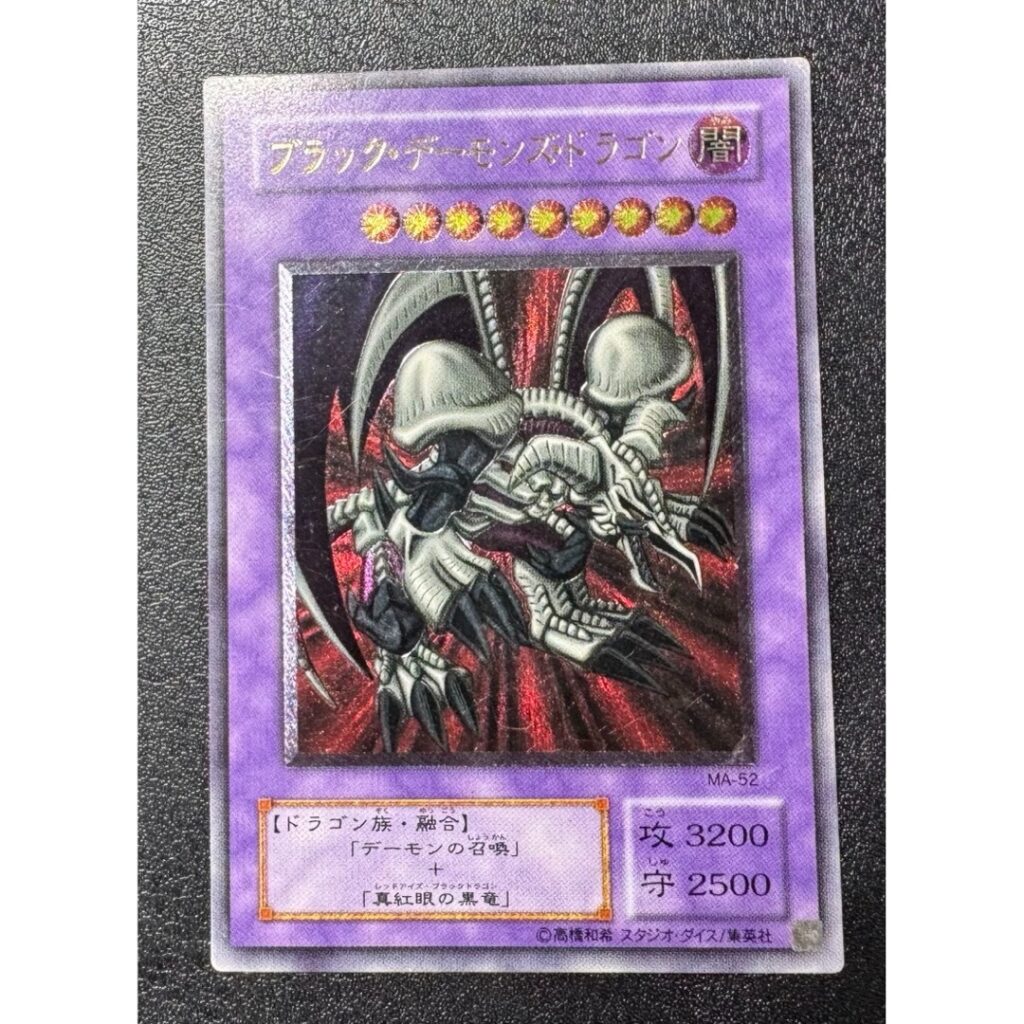
Ultimate Rare (Relief)
Secret Rare (SE)
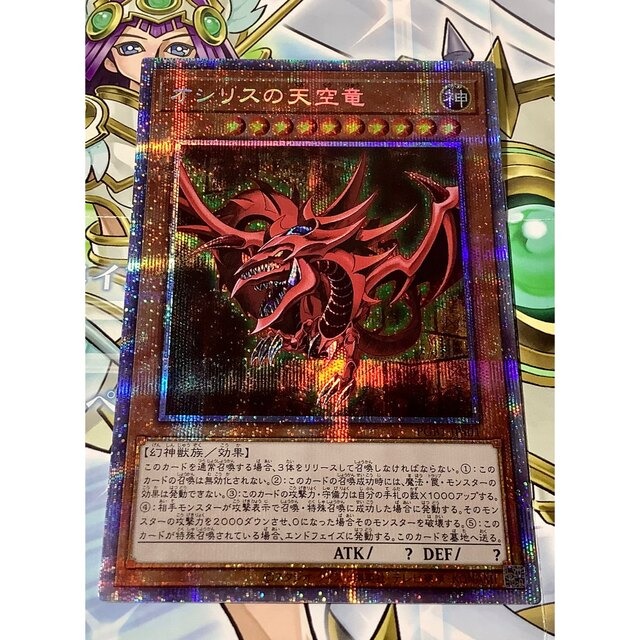
Prismatic Secret Rare
Note: Often shortened to “Prismatic”.
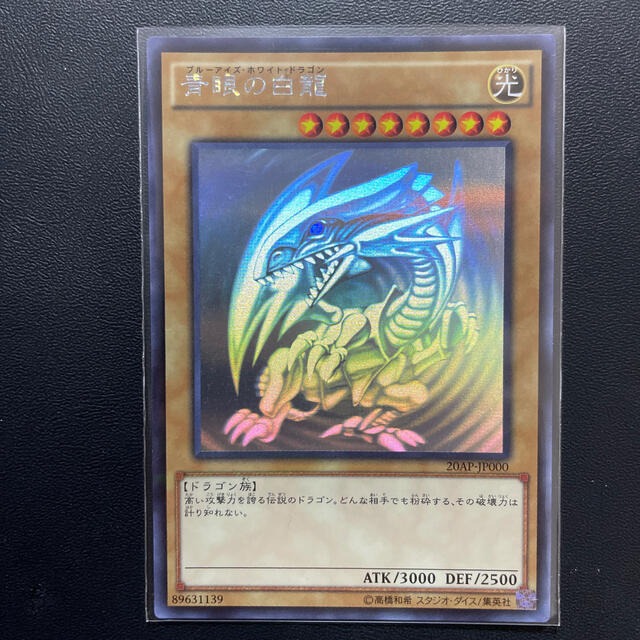
Holographic Rare (Ghost Rare)
Note: The Japanese “Holographic” corresponds to the Western “Ghost Rare”.
In recent years, Prismatic Secret and Holographic Rare have skyrocketed in popularity as collector-oriented finishes.
Card Pull Rates (Estimates)
While it varies by pack and era, the approximate pull rates are as follows:
| Rarity | Quantity (Per BOX) | Notes |
| SR (Super Rare) | 5〜6 | Main cards for deck building. |
| UR (Ultra Rare) | 3〜4 | Often the main monsters on the package. |
| SEC (Secret Rare) | 1 (Guaranteed) | Guaranteed 1 per BOX in current series. |
| QCSE (25th Secret) | Approx. 1 in 4 BOXES | Current highest rarity. Approx. 6 per 24 BOXES. |
| Holographic | Approx. 1 in 24 BOXES | Ultra-rare slot. Maybe 1 per carton (case). |
Reasons for Price Surges
- Scarcity: Early editions and limited distribution cards have extremely low circulation.
- Popularity: Demand is concentrated on popular monsters (Blue-Eyes, Dark Magician, etc.).
- Anniversaries: Prices rise temporarily with commemorative sets (20th/25th).
- Grading: The spread of grading culture (PSA, BGS) has expanded the collector market.
In particular, the “original Blue-Eyes” and “Holactie” tend to trade at high prices globally if they are in good condition.
Purchasing Methods and Precautions
Yu-Gi-Oh! cards can be obtained through the following routes:
- Official retailers and card shops
- Online sales (Amazon, Rakuten, Official EC, etc.)
- Secondary market (Mercari, Yahoo! Auctions, eBay, etc.)
- Neokyo (Proxy service) is convenient when buying from overseas.
Counterfeit cards are also in circulation. Especially for high-value cards, check for differences in printing holograms, foil text, and the color of the back. When purchasing, choose graded cards (PSA/BGS) or reliable shops.
Buy Japan-Exclusive Cards from Overseas with Neokyo
Rare cards exclusive to Japan, such as Yu-Gi-Oh!, Pokemon, One Piece, and Demon Slayer, can be purchased from overseas via Neokyo. It supports cross-searching major Japanese markets like Mercari, Yahoo! Auctions, and Surugaya, handling everything from purchase to shipping.