
Cardcaptor Sakura Cards: Rare & Valuable Cards Explained (Clow, Sakura, Clear)
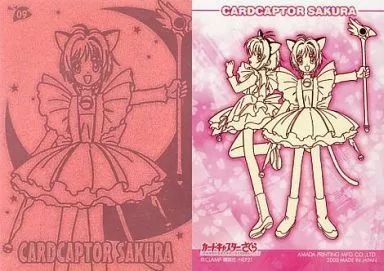
Cardcaptor Sakura is a series that began its serialization in 1996 and gained immense popularity both in Japan and internationally through anime adaptations and theatrical film releases from the late 1990s through the 2000s. The most significant feature of this work is that the story itself is structured around “Cards.” The narrative of the protagonist, Sakura Kinomoto, sealing magical cards one by one captured the hearts of many fans, making the cards themselves iconic symbols.
Consequently, alongside the popularity of the original manga and anime, various card-related products have been developed within Japan. On the other hand, Cardcaptor Sakura cards are not a traditional Trading Card Game (TCG), and because multiple types and eras of cards coexist, it is a genre where the overall picture can be difficult to grasp.
In this article, we will explain the characteristics of the three types of cards that appear in Cardcaptor Sakura (Clow Cards, Sakura Cards, and Clear Cards), their value as physical collection items, and how to purchase Japan-exclusive items from overseas.
The Three Types of Cardcaptor Sakura Cards
Clow Cards: Magical Cards at the Center of the Story
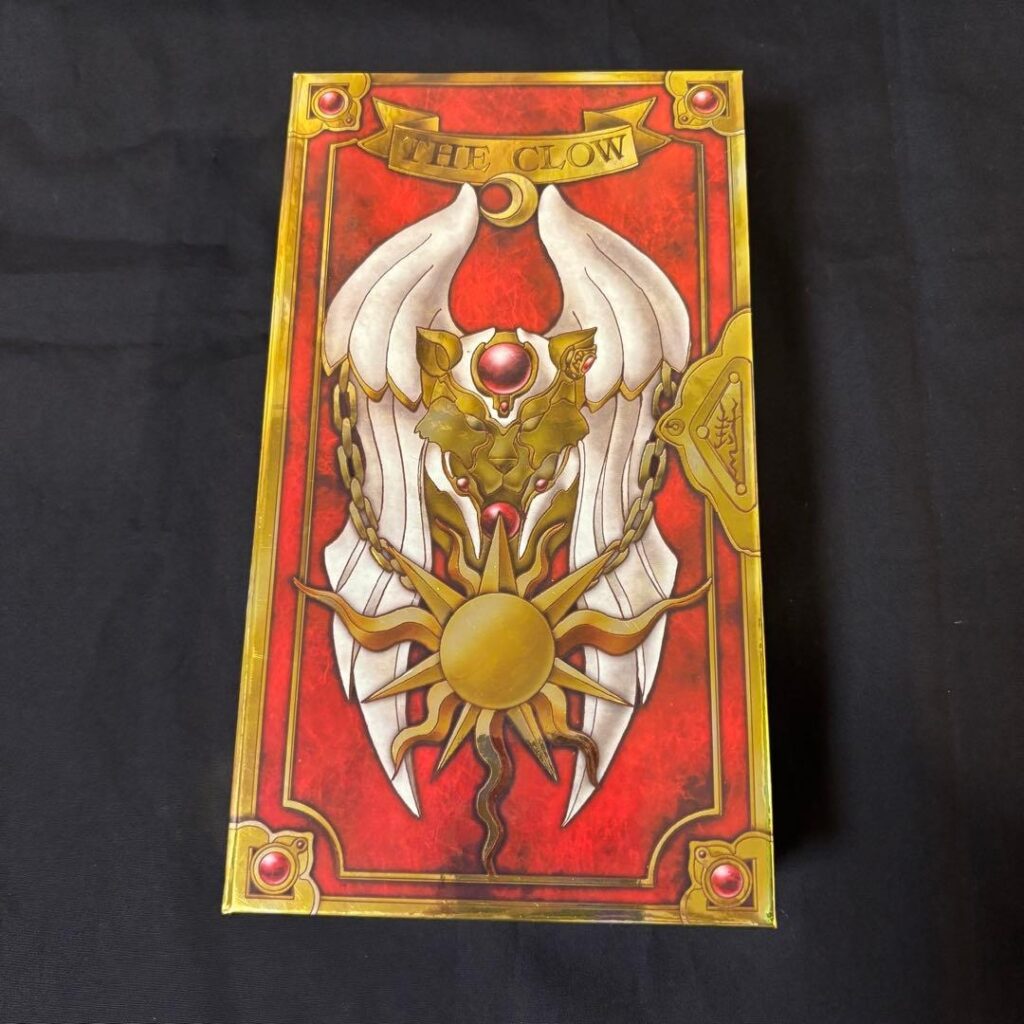
Clow Cards are 52 magical cards (53 in the anime version) created by the sorcerer Clow Reed. Each card houses a unique spirit and ability, which Sakura seals using the “Sealing Wand” to make them her allies. While there are slight differences in the number and settings between the original manga and the anime, the basic world-view is common to both.
Overview of Clow Cards: Four Categories The 52 Clow Cards are broadly classified into four categories, each with different roles and symbolism.
【The Four Elements】 (4 cards): Basic and Strongest
These cards possess the most fundamental powers and govern the basic elements of the natural world.
- The Windy: The first card sealed in Episode 1. It controls the wind and is an iconic presence that also serves as Sakura’s means of flight. It is the most frequently used card throughout the story.
- The Firey: Appears in Episode 2. It has a paired relationship with The Watery and freely manipulates fire. A highly versatile card that can be used for both weaponry and defense.
- The Watery: A water card paired with The Firey. Sealed in a famous early episode of the anime. It manipulates water and is used for firefighting and attacks.
- The Earthy: One of the four elements. A powerful card that manipulates the earth, causing earthquakes and ground deformation.
【Natural Phenomena】 (approx. 15 cards): Embodying Familiar Phenomena
A category that manipulates everyday natural phenomena as magic. Characterized by many visually beautiful effects.
- Representative Examples:
- The Flower: The ability to make flowers bloom. Visually beautiful and highly popular among fans.
- The Rain: Used to make it rain. In the story, it is used for securing water sources or firefighting.
- The Cloud: Controls clouds. An ability that affects the weather.
- The Wood: Grows and manipulates plants. Used for defense or restraint.
- The Snow: Causes snow to fall. A memorable appearance in winter episodes.
【Abstract Concepts】 (approx. 20 cards): The Most Diverse and Complex Category
Cards that deal with invisible concepts such as time, memory, and emotions. This category often plays the most important role in the story.
- Representative Examples:
- The Mirror: A key card from Episode 25. It copies Sakura’s appearance perfectly and holds the key to the story. An iconic presence depicting self-awareness and growth.
- The Time: A top-class card that manipulates time. A dangerous ability handled with great care in the story.
- The Dream: An ability to interfere with dreams. A mystical card dealing with the world of the unconscious.
- The Voice: The ability to steal voices. Appears in an episode depicting the importance of communication.
- The Illusion: Shows hallucinations. Deals with the boundary between reality and fiction.
- The Return: A powerful ability to rewind time.
【Light, Dark, and Other Special Cards】 (approx. 13 cards)
A group of cards with paired concepts or special roles. They hold significant meaning at the climax of the story.
- The Light & The Dark: A pair of cards of the strongest class. They play a vital role at the story’s climax and are the source of power for all Clow Cards.
- The Shadow: Episode 5. Possesses an eerie ability to manipulate shadows and appeared in a memorable episode.
- The Fly: A popular card that gives Sakura’s wand wings, allowing her to fly. Active in both combat and transportation.
- The Jump: The ability to leap high. Sometimes used in combination with The Fly.
- The Nothing: A special 53rd card appearing in the movie “The Sealed Card.” Possesses the ultimate ability to erase existence.
※ For detailed information on all 52 cards (ability details, appearance episodes, English names, etc.), please visit the Cardcaptor Sakura Wiki.
Clow Cards as Physical Products
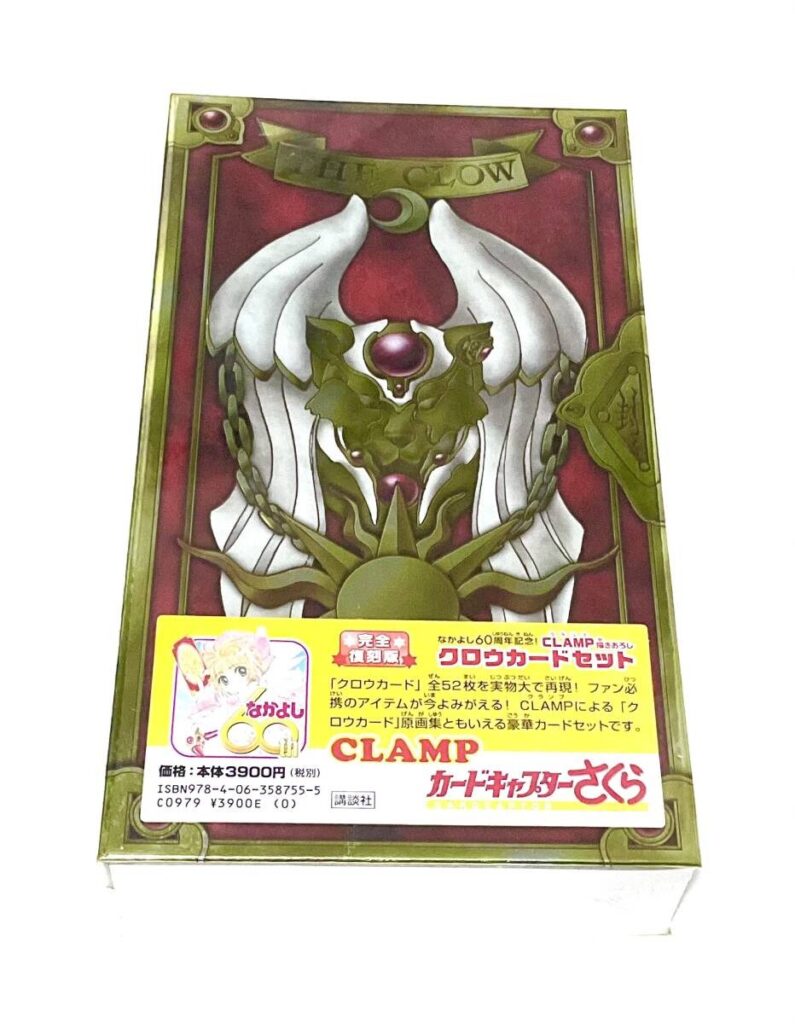
Simultaneously with the start of the anime broadcast in 1998, official replica sets were released. These are 52-card (or 53-card) sets that faithfully reproduce the designs seen in the anime and are immensely popular among fans. While early editions now command premium prices, they have been reprinted multiple times due to high demand and are relatively easy to obtain today.
Sakura Cards: Cards Reborn Through Sakura’s Power
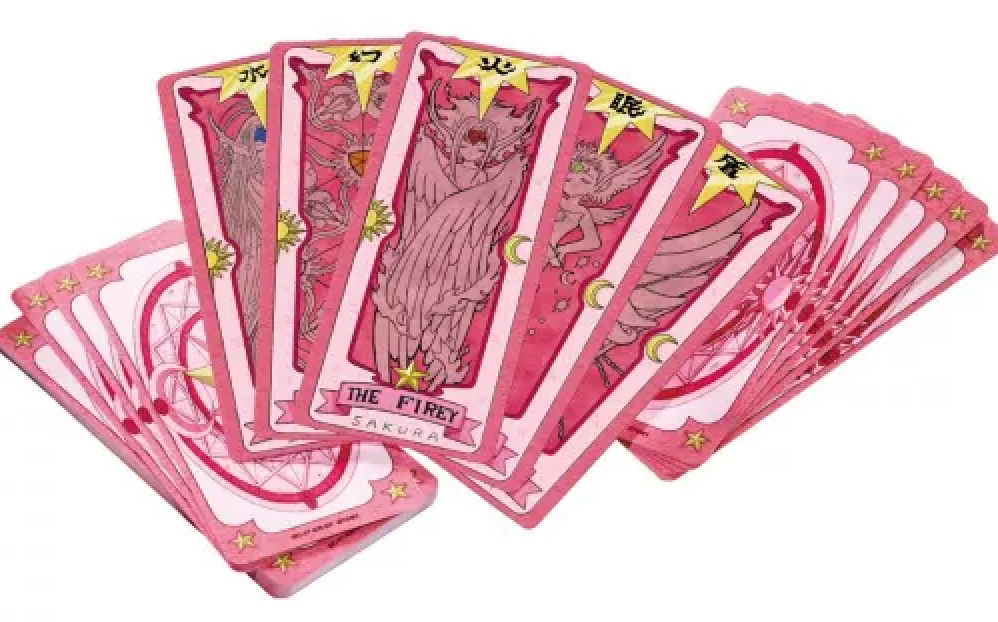
Sakura Cards are a new form of cards born in the latter half of the story when the Clow Cards are transformed by Sakura’s own magical power. The design changes to star and cherry blossom motifs, with a glamorous pink-based appearance. While the cards’ abilities remain basically the same, they are an important presence symbolizing Sakura’s growth and the awakening of her magic.
Differences from Clow Cards:
- Design: From the mystical atmosphere of the moon and stars to the bright design of cherry blossoms and stars.
- Color: From deep green and gold to a pink and gold color scheme.
- Meaning: Represents the shift from “borrowed power” to “one’s own power.”
As physical products, they have not been developed as diversely as Clow Cards, but they are sold in sets with Clow Cards or as commemorative goods. Collection sets that allow for comparison between the two are particularly popular among fans.
Clear Cards: The New Generation of Transparent Cards
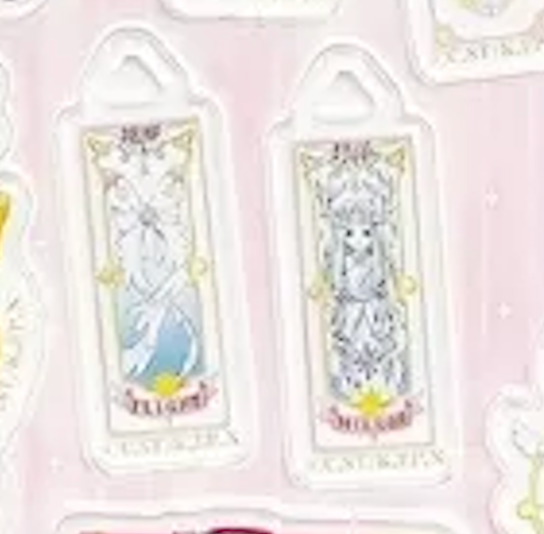
Clear Cards are new cards that appear in the sequel “Clear Card Arc,” which resumed serialization in 2016. As the name suggests, they feature a transparent design and are depicted as mysterious cards that began appearing after Sakura entered junior high school. The Clear Card Arc was also adapted into an anime in 2018, succeeding in gaining a new fan base. Therefore, related goods are relatively new and many are still easy to obtain today. While their collection value depends on future developments, they are steadily gaining fans due to the charm of the new design.
Physical Card Types and Distribution Periods
Periods of Active Card Product Development
- 1998–2001 (1st Boom): The TV anime broadcast period. A wide variety of products like Carddass, trading cards, and magazine supplements were released in large quantities. Many items from this period are now difficult to obtain, and those in good condition fetch premium prices.
- Early 2000s: Limited sets and commemorative products for the theatrical films. A special edition set including “The Nothing” was released to coincide with the movie “The Sealed Card.”
- 2016–Present (2nd Boom): With the serialization and anime of the “Clear Card Arc,” many reprinted versions of Clow Cards and products with new designs have appeared. These target both the “bulk buying” demand of original fans and new fan bases.
Main Types of Cards Available in the Market
Official Replica Sets
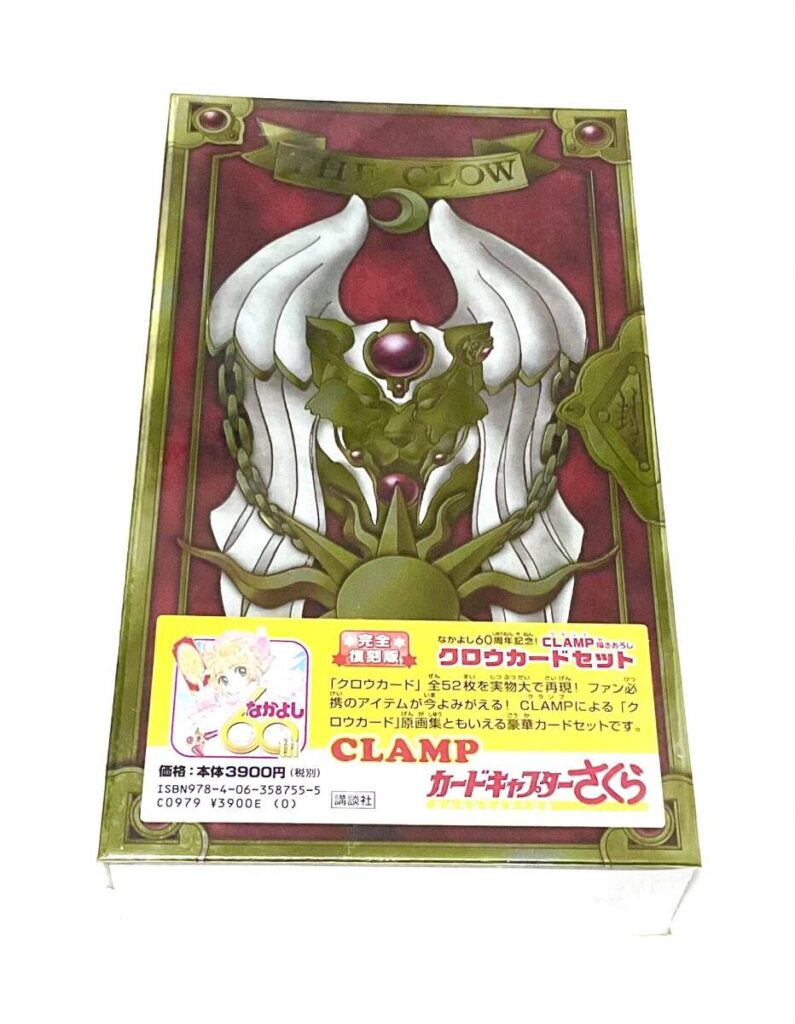
Collection items that faithfully reproduce the cards from the anime. They often come in 52 or 53-card sets with special boxes or miniature sealing wands. Designs and print quality vary slightly between early and reprinted versions.
Carddass
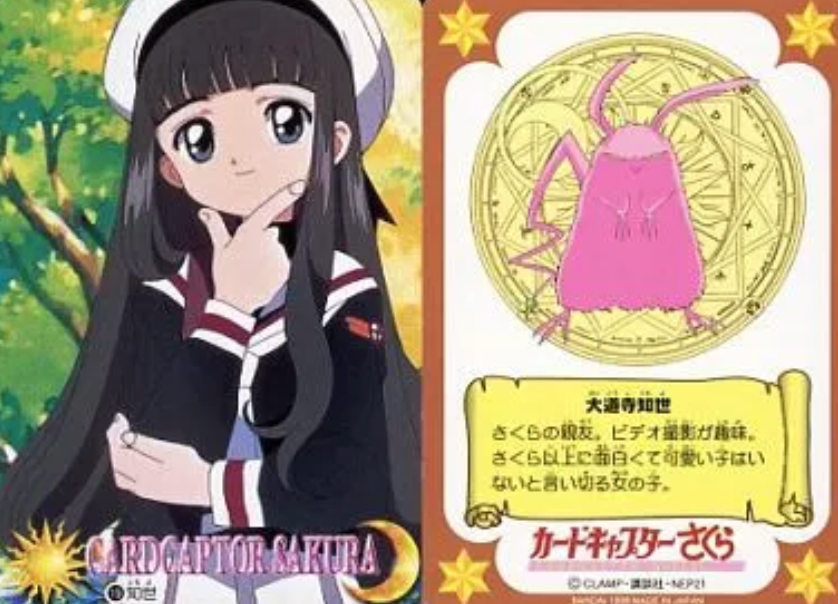
Cards for vending machines developed by Bandai. They could be purchased for 100 yen each, and rare “Kira” (holographic) versions also existed. Since children actually collected them at the time, few remain in pristine condition.
Trading Cards
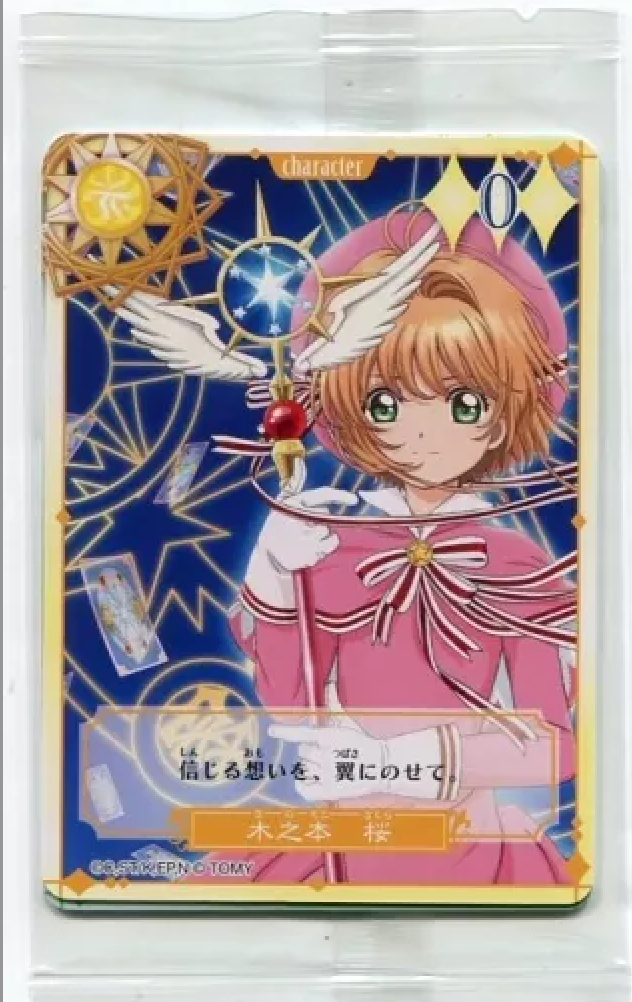
Collection cards sold in packs. Featuring higher quality printing than Carddass, multiple series were released. These also have rare and holographic variations.
Magazine Supplements/Event Distribution Cards
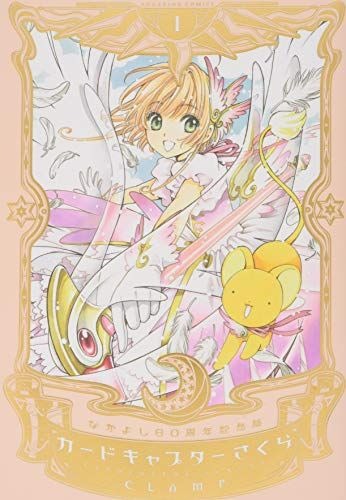
Non-sale cards distributed only as supplements in magazines like “Nakayoshi” or at event venues. Because their circulation is extremely limited, they are sometimes traded at high prices today.
Conditions for Collection Value
Not all Cardcaptor Sakura cards become expensive. Cards that meet the following conditions tend to be highly valued as collectibles.
Conditions for High Value:
- Cards from the initial anime broadcast period (1998–2001).
- Limited cards like magazine supplements or event distributions.
- Old series that have not been reprinted.
- Unopened or in extremely good condition.
- Designs using original manga art or iconic scenes from the anime.
Price Range Examples (Estimated 2026 Market):
- Initial Clow Card Replica Set (Mint/Complete):
- Early Edition (circa 1998-2000): 20,000–40,000 yen
- Reprinted Edition (2010s onwards): 8,000–15,000 yen
- Magazine Supplement/Event Limited Cards (per card):
- Range of 5,000–20,000 yen depending on rarity.
- Especially early “Nakayoshi” supplements are trending upwards.
- Carddass/Trading Cards (Mint Condition):
- Standard cards: several hundred to 2,000 yen
- Kira/Rare cards: 3,000–10,000 yen ※ Prices vary greatly depending on condition, timing, and demand.
Precautions When Collecting
Distinguishing Authentic from Non-Authentic: In recent years, many unofficial overseas replicas have circulated. Caution is required on platforms like eBay and Amazon.
- Checkpoints: Official license markings (©CLAMP・ST・Kodansha, etc.), print quality (vibrancy, line detail), card thickness/texture, box/manual design, and seller reliability.
Condition Evaluation Points: The value is heavily influenced by condition.
- Deduction Factors: Corner folds/chips, surface scratches/fading, warping, dirt/fingerprints, missing accessories.
- When purchasing for collection purposes, it is recommended to check photos carefully and ask the seller questions.
Differences Between Initial and Reprinted Editions: Replica sets have been reprinted several times, with differences in package design, printing methods, textures, and included accessories. The early edition is not necessarily superior in quality; in some cases, reprinted versions have better printing technology. Choose based on whether you prioritize collection value or utility.
Buy Japan-Exclusive Cards from Overseas via Neokyo
Many Cardcaptor Sakura card products are sold only within Japan. Especially for early limited items and magazine supplements, they are mostly found only on Japanese secondhand markets (Yahoo! Auctions, Mercari, Surugaya, etc.).
Reasons to Choose Neokyo:
- Compatible with Major Japanese Marketplaces: You can purchase items through a proxy from sites like Yahoo! Auctions, Mercari, Rakuten, and Amazon.co.jp. Use Neokyo’s search function to find items across multiple sites.
- Bridge the Language Barrier: Neokyo handles Japanese product pages and communication with sellers. You can also request condition checks or negotiations.
- Safe Shipping: Items are received at Neokyo’s warehouse in Japan, inspected, and then shipped overseas. You can save on shipping by consolidating multiple items.
Purchase Flow:
- Search for keywords like “Cardcaptor Sakura Card” within Neokyo.
- Add your favorite items to the cart.
- Neokyo purchases them and receives them at the warehouse.
- Once items arrive, request overseas shipping.
- Receive them at your home.
The Japanese anime goods market is a treasure trove that is difficult to access directly from overseas. By using Neokyo, you can buy rare Cardcaptor Sakura goods available only in Japan from anywhere in the world.
Summary
Cardcaptor Sakura cards are an attractive core element of the story and have been loved as physical collection items for many years. There are three types—Clow, Sakura, and Clear—each with its own charm. Regarding collection value, focus is on cards from the initial anime era, limited distribution cards, and old series in good condition. However, not all cards are expensive; mass-produced Carddass and standard trading cards are available at relatively affordable prices.
Advice for New Collectors:
- Start by collecting cards you like or have an emotional attachment to.
- Enjoy it as a pure hobbyist, not just for investment.
- If you prioritize condition, buy from reliable sellers.
- For Japan-exclusive items, utilize proxy services like Neokyo.
Cardcaptor Sakura cards are special entities that embody the world of the work. We recommend building your collection at your own pace while having fun.