

PSA Pokémon Card Complete Guide | What is PSA, How to View PSA 10/9, and How to Buy from Japan
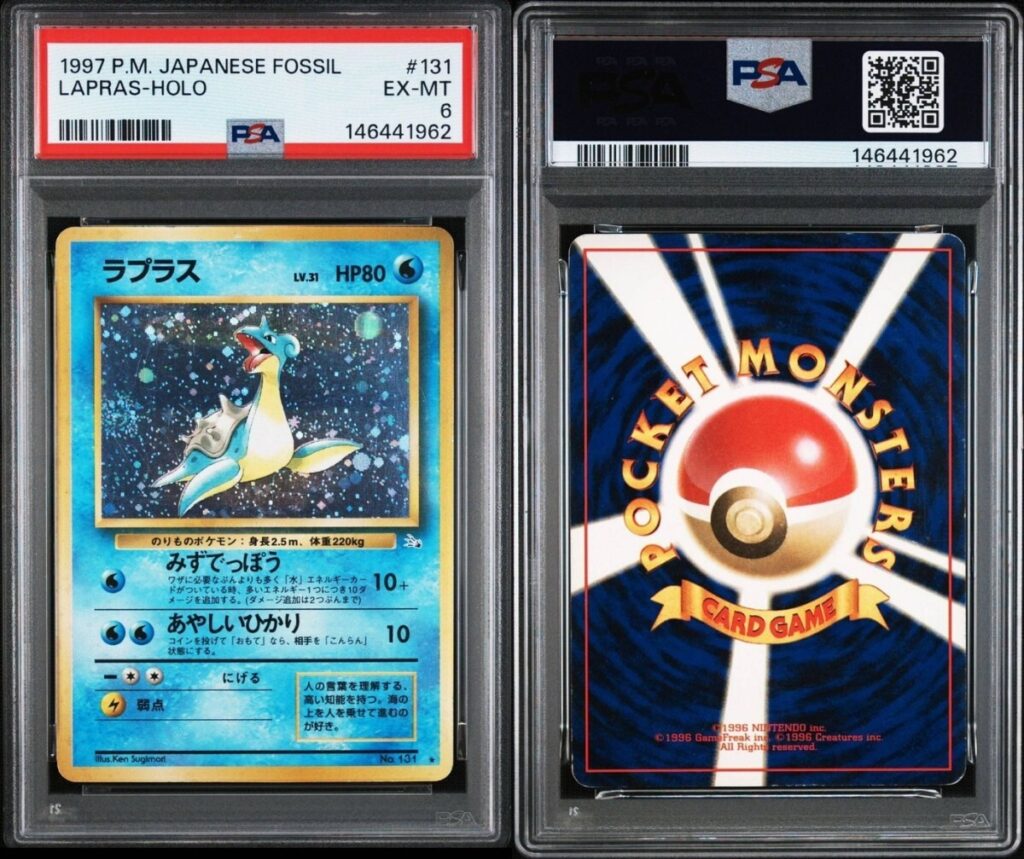
Pokémon cards are immensely popular worldwide, and the market is one where the price of even the same card name changes drastically depending on its condition, specification, and whether it has been graded. Particularly for popular Pokémon, limited promos, vintage cards, and modern high-rarity cards, the buying and selling price can fluctuate significantly based on the evaluation, even if they look similar. Today, whether a card is in a PSA case or not has become a major decision criterion for both buyers and sellers.
The importance of PSA lies in its ability to handle authenticity verification and condition evaluation separately, presenting them clearly on a scale of 1 to 10. It is easier to organize if you view ungraded (Raw) cards and PSA-graded cards as essentially separate markets, even if they are the same Pokémon card, as both the market price and the way you search for them will differ.
In this article, we will organize in order what PSA is, the difference between PSA 10 and PSA 9, which cards are suitable for PSA, and how to search for them from Japan. This guide is put together so that both those who want to buy PSA cards and those who are wondering whether to send their own cards for grading can grasp the criteria for judgment.
Reasons why PSA is valued in Pokémon Cards
The reason PSA is strong in Pokémon cards isn’t just because the card is in a case. It’s because PSA handles authenticity verification and condition evaluation separately, showing the condition on a scale of 1 to 10.
Therefore, in this theme, understanding what PSA is, how PSA 10 and PSA 9 differ, which cards are suitable for PSA, and how to search from Japan is more important than a “list of card types.”
Understanding PSA makes it easier to see “why price differences occur” for the same card name. Pokémon cards, in particular, have many genres with strong compatibility with PSA—such as popular characters, limited promos, vintage cards, and modern high-rarity cards—and it is easier to organize if you view them as a market separate from ungraded cards.
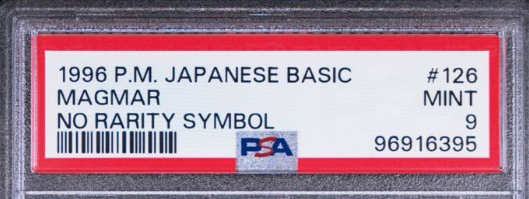
PSA Label: 9
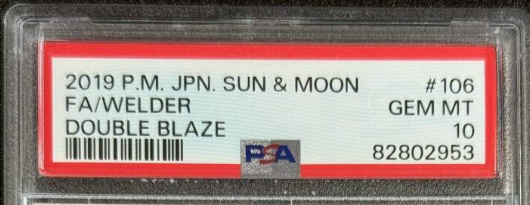
PSA Label: 10
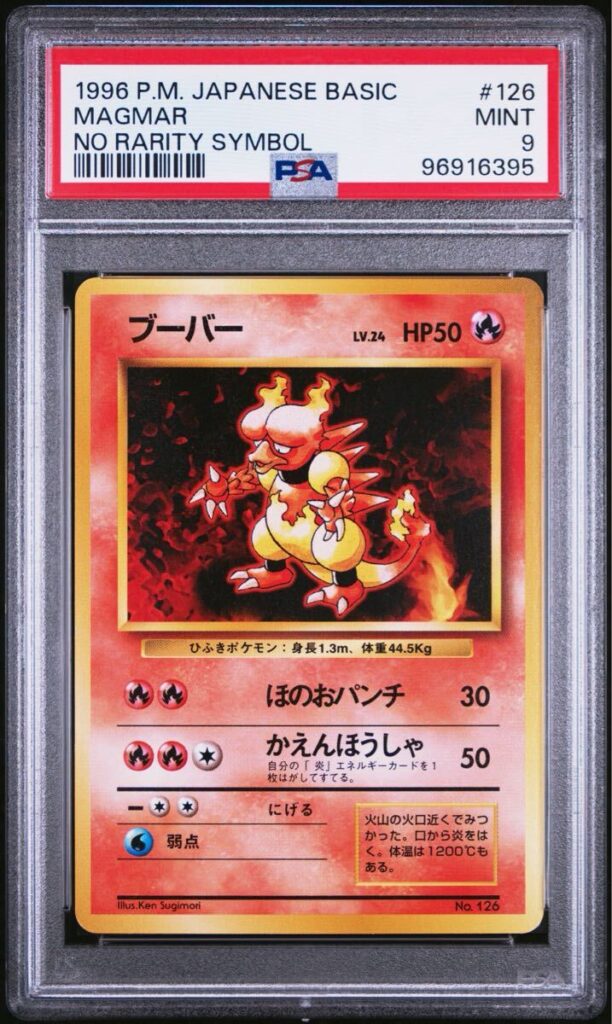
PSA 9 Magmar
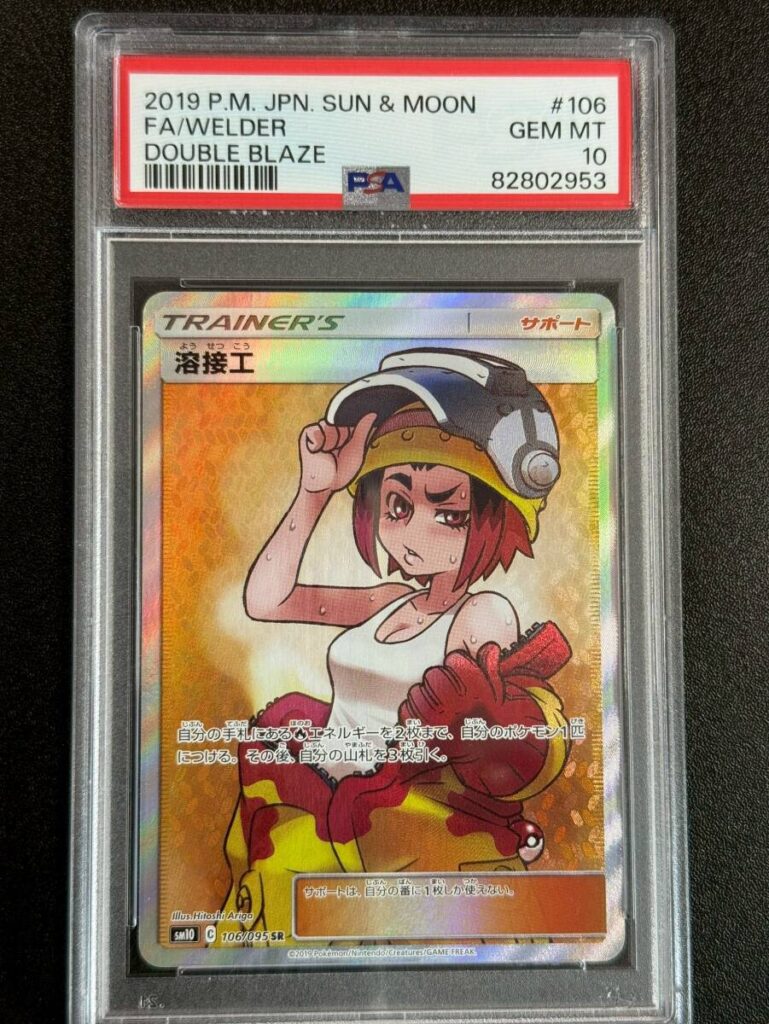
PSA 10 Welder
What is PSA?
PSA is a service that performs authenticity verification and condition evaluation for cards.
The important thing here is that “whether it is authentic” and “how clean it is” are two different stories.
- Authentication: Confirming whether the card is real.
- Grading: Evaluating the condition of the card on a scale of 1 to 10.
In other words, for the same Pokémon card, “being authentic” is not the same as “being in a condition equivalent to PSA 10.” Cards in a PSA case present these two factors to the market in a relatively easy-to-understand format, making it easier to compare when buying or selling.
Also, when PSA evaluates a card’s condition, it looks comprehensively at multiple elements such as centering, corners, surface, print defects, creases, stains, and discoloration. Even if a card looks very clean to the naked eye, the grade can change due to fine white chips or print shifts, so it is important not to assume a PSA 10 based solely on “your own sense.”
How to View PSA Grades 1–10
| Grade | Description | Visual Image |
| PSA 10 | Gem Mint | Virtually perfect. Corners, surface, and centering are very strong. |
| PSA 9 | Mint | Virtually perfect, but with a tiny flaw. |
| PSA 8 | Near Mint-Mint | Very clean. May have light corner wear or print defects. |
| PSA 7 | Near Mint | Light wear or off-centering may be visible. |
| PSA 6 | Excellent-Mint | Small scratches or slight rounding of corners may be visible. |
| PSA 5 | Excellent | Signs of use become more apparent. |
| PSA 4 | Very Good-Excellent | Scuffs and light scratches are more clear. |
| PSA 3 | Very Good | Rounded corners, discoloration, or light creases possible. |
| PSA 2 | Good | Damage is quite noticeable. |
| PSA 1 | Poor | Large creases, missing pieces, or heavy damage present. |
The key point is that even if PSA 10 and PSA 9 look close, price differences easily occur. This gap tends to be larger for popular cards and limited promos.
On the other hand, for vintage cards, there are cases where grades of PSA 7 or lower are perfectly meaningful; it is not necessarily true that “anything other than a 10 is worthless.”
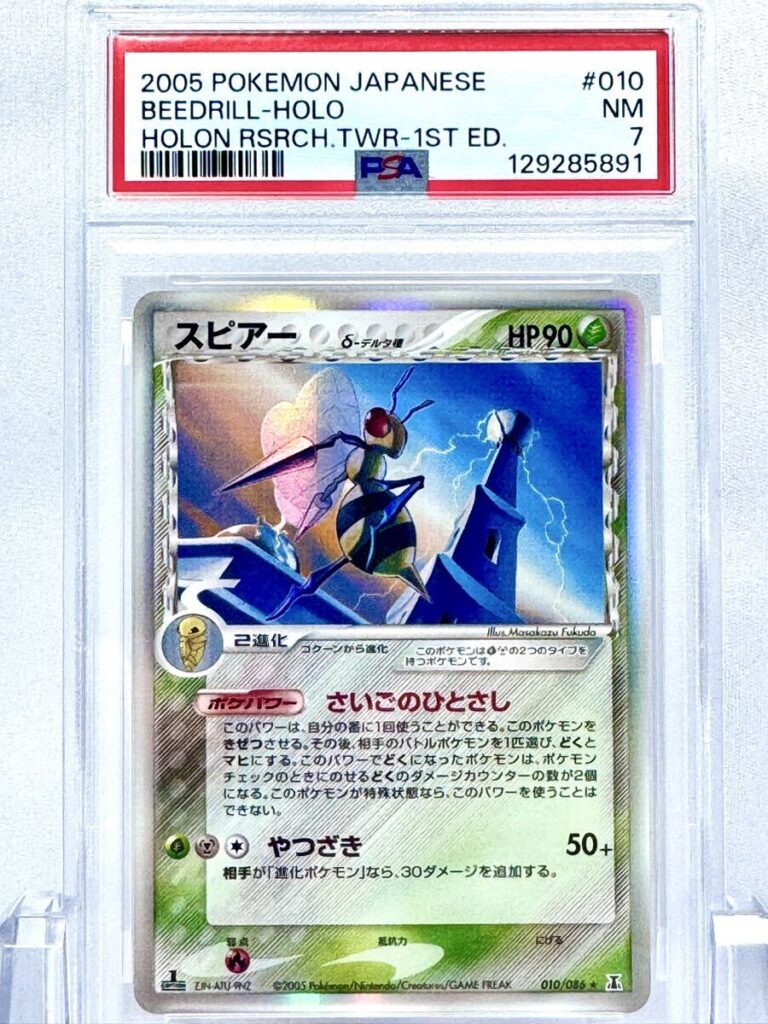
PSA 7 Beedrill
Guidelines for How to Buy by Grade
The grade table is not just for looking at descriptions of condition, but also serves as decision-making material to determine “what you should target.”
Even for the same card, the necessary budget and search method will change significantly depending on whether you target PSA 10, compromise with PSA 9, or search including PSA 8 and below.
PSA 10
If you want to emphasize the completeness of your collection or are looking toward future resale, PSA 10 is the top priority.
For popular cards, it easily becomes the market standard, and demand tends to gather for those who “want to own a 10 if buying that card.”
PSA 9
If the price difference from a PSA 10 is large, this becomes a very strong option.
The appearance is very clean, yet the price can drop to a more accessible level than a PSA 10. For those who “want something in good condition but want to keep the budget down,” there are situations where the cost-performance is excellent.
PSA 8
Rather than for play, this is for those who want to keep the budget down without a major drop in appearance.
While attention easily gathers on PSA 9 and 10 for modern cards, PSA 8 tends to be in a relatively realistic price range, making it an option for those who want to own popular cards without overextending.
PSA 7 and Below
While the priority may drop for modern cards, there are situations where this is meaningful for vintage cards or “Old Back” (early Japanese) cards.
Especially for old cards, even low grades lead to value because of “authenticity” and “a certain level of preservation.” For those who want to start with a low budget or secure early cards, this is perfectly realistic.
The important thing here is not which grade is the “correct” one, but what you prioritize.
Collectibility, budget, future ease of sale, or visual satisfaction. Depending on which you prioritize, a PSA 10 may be best for some, while PSA 9 or PSA 8 may be a more convincing way to buy for others.
What is the difference between PSA 10, PSA 9, and Raw?
- PSA 10: Easy to be seen as virtually perfect.
- PSA 9: Very clean, but has a slight flaw.
- Raw (Ungraded): Can sometimes be bought cheaply, but condition judgment varies by person.
It is easier to understand if you think that the market being viewed is different depending on whether the same card is “PSA 10,” “PSA 9,” or “Raw.”
Even if Raw looks cheap at first glance, it may actually receive a lower evaluation than expected after submission to PSA; conversely, there are cases where buying a PSA 9 or PSA 10 from the start offers more satisfaction.
Which cards are suitable for PSA?
It’s not just expensive cards that are suitable for PSA.
In Pokémon cards, genres where popularity, scarcity, and condition differences are heavily reflected in the price have the best compatibility with PSA.
Charizard Series
Charizard is a representative character with high popularity and distribution volume, making market comparisons easy.
Even for the same Charizard, the price range changes significantly depending on set differences, number differences, and promo differences, but there are many sales histories and comparison targets, making it easy to use as an entry point to learn how the PSA market works.
Pikachu Promo Series
Pikachu inherently has strong demand, and with many Japan-exclusive promos, it is a genre with very high compatibility with PSA.
Stamp series, event distributions, and campaign distributions are popular even ungraded, but the way they are viewed can change instantly once they reach a PSA 10.
Old Back / Early Cards
Unlike modern cards, “Old Back” and early cards are cases where value remains even at low grades.
Even with damage, there is demand for the fact that it is an early item itself, so the strength of this genre is that you don’t have to view it as “meaningless unless it’s a PSA 10.”
SAR / SR Series (Modern Cards)
While modern SAR and SR cards are flashy and popular, condition differences directly affect the price.
White chips, cutting, centering, and surface scratches easily affect the evaluation, so even if it looks expensive as Raw, it may not reach expectations once made PSA. For that reason, it is also a genre where the strength of a confirmed PSA 10 easily stands out.
In short, whether it is suitable for PSA is easier to judge if you think not just about “whether it is an expensive card,” but whether it is a genre that is easily compared or where condition differences are reflected in the price.
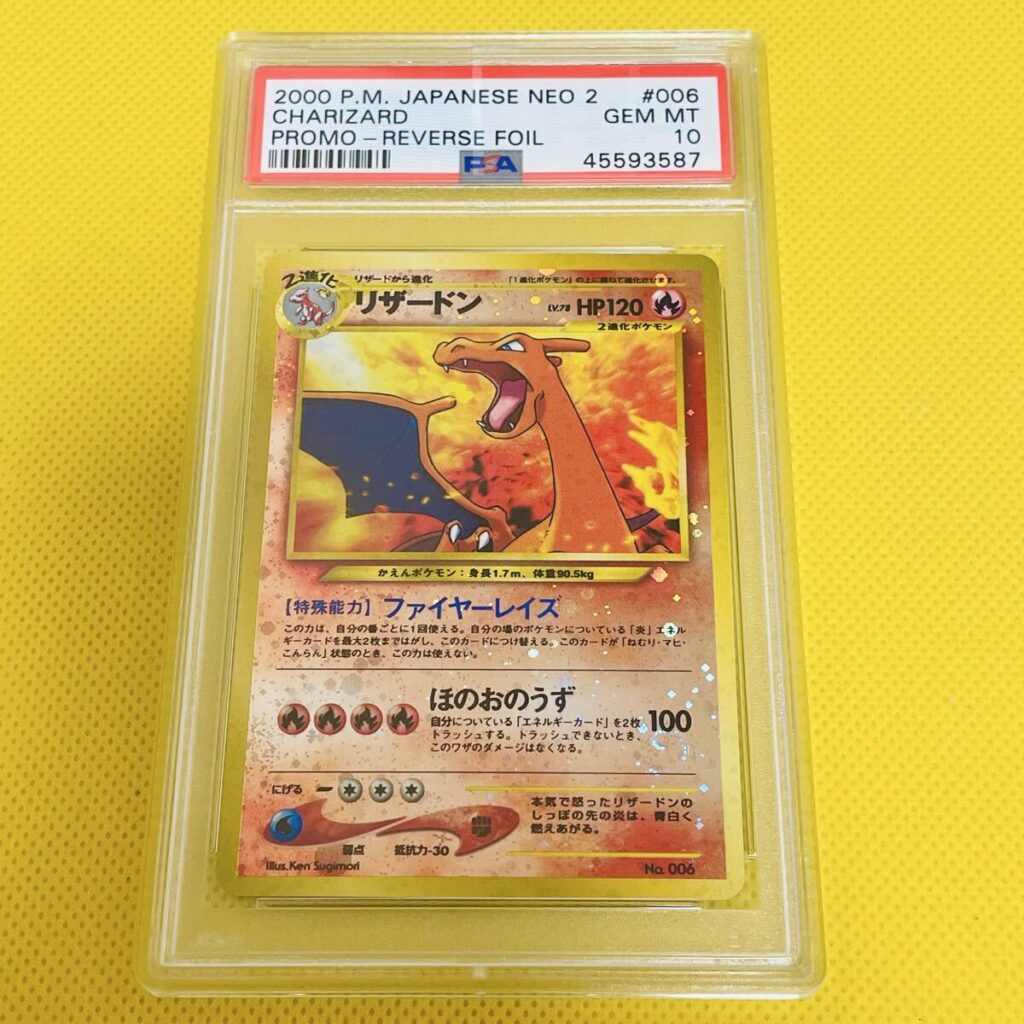
PSA 10 Charizard
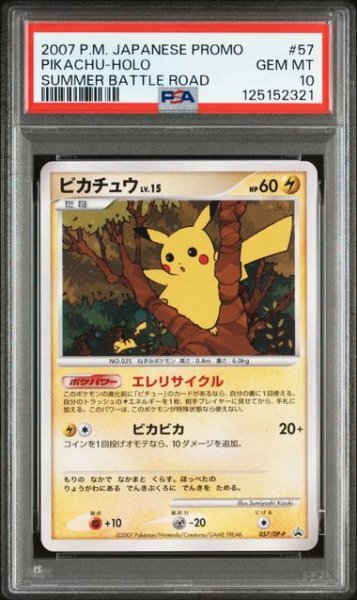
PSA 10 Pikachu
Sending for Grading Yourself vs. Buying Graded
| Comparison | Sending for Grading Yourself | Buying Already Graded |
| Pros | If successful, you can PSA-ify cheaply | The grade is fixed and clear |
| Cons | Shipping, wait time, results can vary | A premium price is already added |
| Suitable For | People who have clean cards on hand | People who are clear about the card they want |
If you are unsure, it’s easier to organize by thinking “Do I want the peace of mind of a PSA case, or the possibility of growth from Raw?”
Especially for beginners, it is harder to fail if you buy 1 or 2 graded cards first to get a feel for the PSA label, case, and grade differences before moving to the submission side.
Estimated Guide for High-Value Cards (Mainly based on overseas transactions)
| Card Name | Specification | Estimated Price | Notes |
| Charizard 143/S-P | PSA 10 | Around $90–$100 | Easy entry point for Japanese promos |
| 2016 Japanese XY Charizard | PSA 10 | Around $300–$350 | Charizard has many comparison targets |
| Pikachu 073 | PSA 10 | Around $180–$200 | Pikachu PSA demand is stable |
| Pikachu 227/S-P Stamp Box | PSA 10 | Varies; check individually | High popularity; check listing and authenticity |
| Mew Series (e.g., Ancient Mew) | PSA 10 | Varies by year and version | Many different versions; individual check required |
| ※ The above are estimated guides by the editorial department based on transaction history. They fluctuate depending on condition, specification, and timing. Please check each marketplace for the latest market prices. |
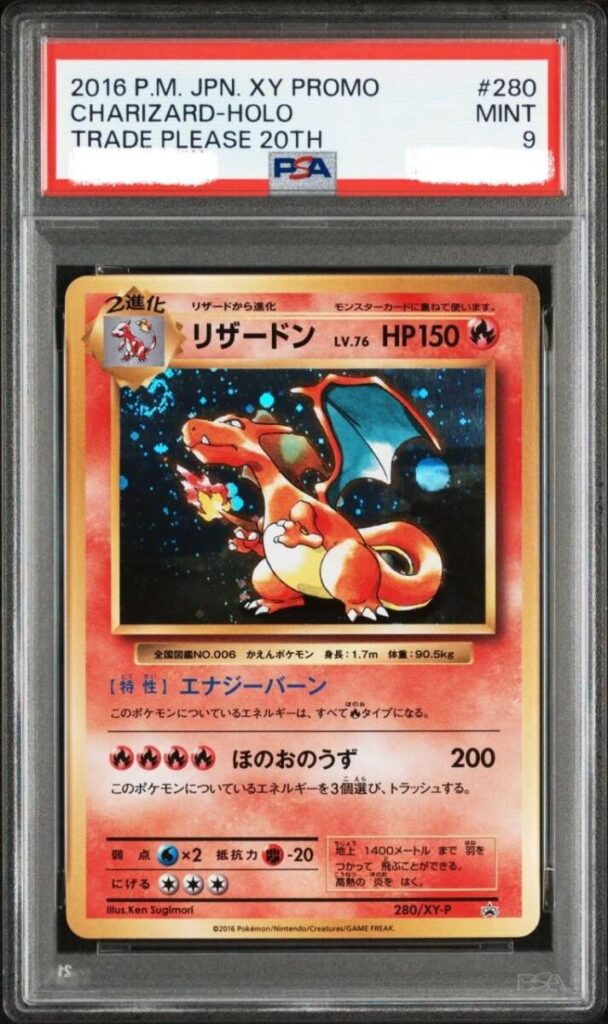
PSA 9 Charizard
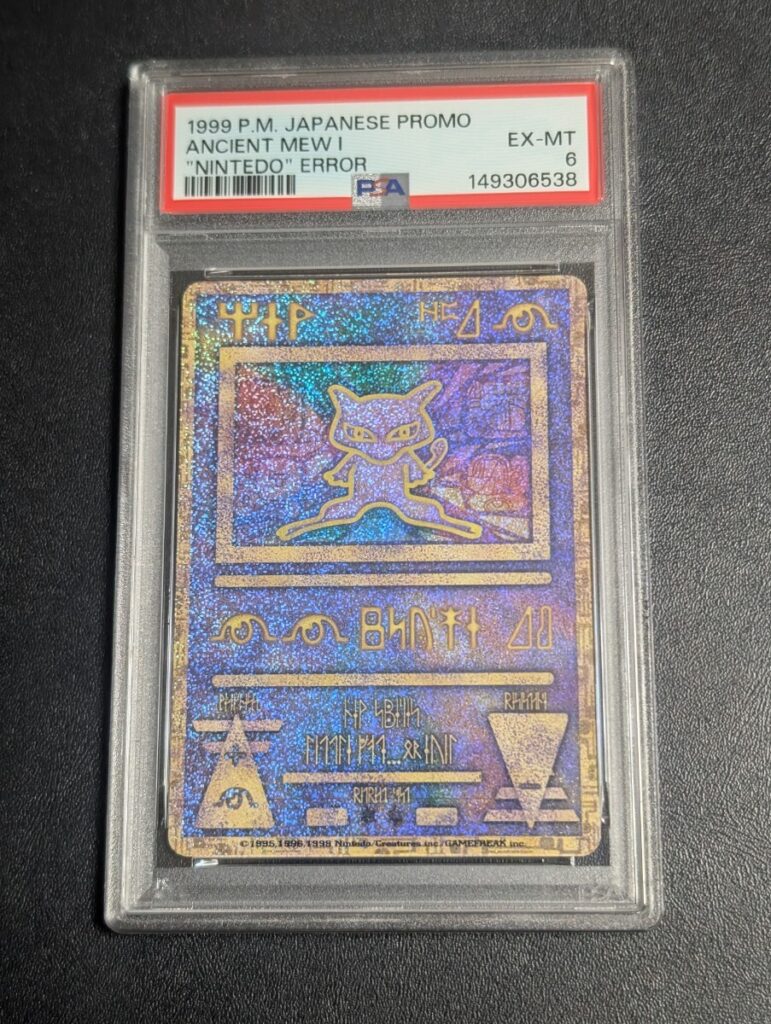
PSA 6 Ancient Mew
How to Search from Japan? Practical Search Methods
For PSA Pokémon cards, what you see can change significantly depending on how you craft your search words.
Especially for Japanese promos and limited cards, you may not be able to find everything in overseas stores, so it is important to search with high precision from the start.
1. Fix the card information
First, confirm the year, set, card number, rarity, and promo name.
For example, entering “2021 Japanese Charizard 001/025 PSA 10” including the set name, number, and grade will significantly increase search precision.
Searching for just “Charizard PSA 10” is too broad, making it difficult to reach the specific card you want to see.
2. Decide the desired grade
Decide first whether you will look only at PSA 10 or also accept PSA 9. If this is ambiguous, price comparisons will fluctuate.
For example, even for the same Pikachu promo, the budget and number of candidates will change significantly between “looking only at PSA 10” and “including PSA 9 as a candidate.” Deciding your tolerance line first reduces wasted comparisons.
3. Include Japanese secondary markets in your search
Many Japanese version promos and limited stamps are not distributed overseas and may only appear on Mercari or Yahoo! Auctions.
Especially for Japanese-exclusive campaign series and fine product number differences, your candidates will increase more easily if you expand to Japanese secondary markets. It is harder to fail if you search on the premise that “not being sold overseas ≠ does not exist.”
4. Check listing images and descriptions
Look at the consistency of the PSA number, label, case condition, card number, and product description. The more expensive the card, the safer it is not to skip this confirmation.
For cards with high popularity and many similar-looking listings, like the Stamp Box series or old Mew series, it is safer to carefully check if the label notation and actual image match.
5. Confirm if the price isn’t too high compared to recent market prices
Finally, look at the sales history for the same card and same grade to confirm you aren’t making an extremely expensive purchase.
Even for the same PSA 10, price differences can occur depending on timing and how the listing is presented, so the basic rule is not to judge by just one listing but to look at several recent ones collectively. Popular cards like Charizard and Pikachu are easy to check because there are many comparison targets.
Cases to watch out for where a “Grade is not given”
At PSA, not every card necessarily receives a numerical grade.
If there are signs of trimming, recoloring, restoration, authenticity doubts, size deficiency, or cleaning marks, it may be handled differently rather than receiving a normal numerical evaluation.
This point is important not just for the person submitting, but also for the buyer.
This is because not everything in a case is the same; how it is viewed and its ease of sale differ greatly depending on whether it has a “numerical grade,” is “Authentic only,” or is treated as “Altered.”
It is safer to carefully check the content of the label, especially when buying expensive or old cards.
Why you should look at Japanese secondary markets when buying from overseas
Japanese version Pokémon cards have many product numbers, promos, and limited specifications that do not appear in overseas distribution, and the number of cards you can find will increase significantly if you look at the Japanese secondary market.
Especially when looking for PSA-graded cards or mint-condition Raw cards suitable for PSA, it is more efficient to use Japanese flea markets and auctions as a premise.
With Neokyo, it is easy to search across multiple Japanese markets, and you can proceed with proxy purchase, seller communication, storage, combined packing, and international shipping all in one place. It is easy to use whether you are searching for PSA-graded cards or looking for mint-condition Raw candidates.